According to the agenda, the session will discuss and provide feedback on: the socio-economic situation in November and the first 11 months of 2025, public investment capital allocation and disbursement, the implementation of three national target programs, government and Prime Minister’s directives, task performance, and administrative procedure reforms in November.
Additionally, the meeting will address the implementation and operation of the two-tier local government model, drafting a government resolution on temporary residence policies to resolve land acquisition challenges, key tasks and solutions for December and beyond, and other critical issues.
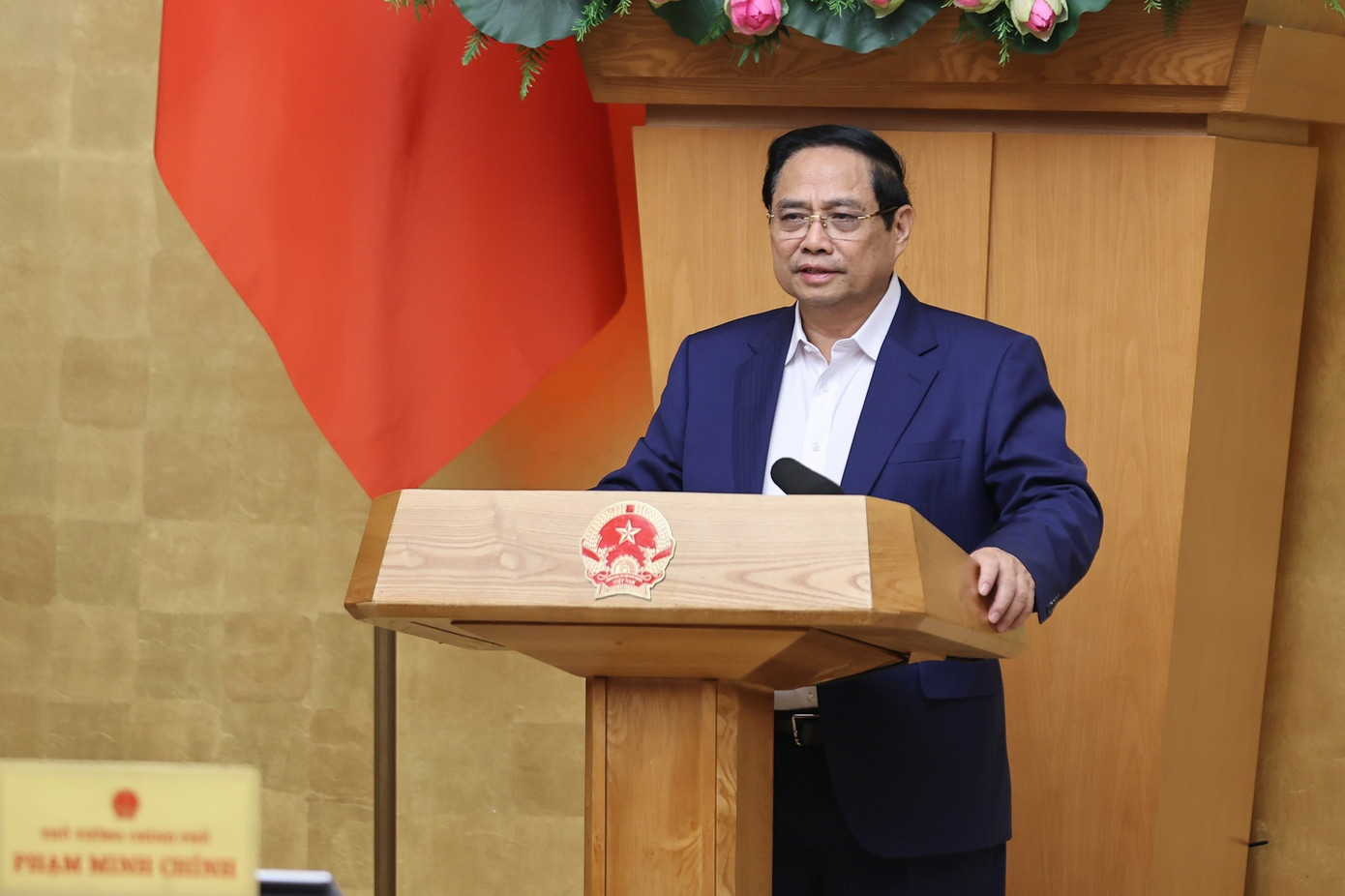
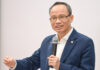
Prime Minister Pham Minh Chinh delivers a speech. Photo: VGP.
November witnessed significant national events, notably the 14th Central Committee Conference and the 10th Session of the 15th National Assembly. The entire nation is striving to achieve the 2025 socio-economic goals and the 2021-2025 term objectives, while implementing strategic resolutions led by the Politburo.
Despite challenges, the economy showed positive trends in November, with improvements across most sectors compared to 2024, thanks to the efforts of the political system and the people under the Party Central Committee’s leadership, directly guided by the Politburo, Secretariat, and General Secretary.
However, November also saw limitations and challenges, including inflationary pressures, exchange rate fluctuations, slow public investment disbursement, and production difficulties in certain sectors, exacerbated by Vietnam’s highly open economy.
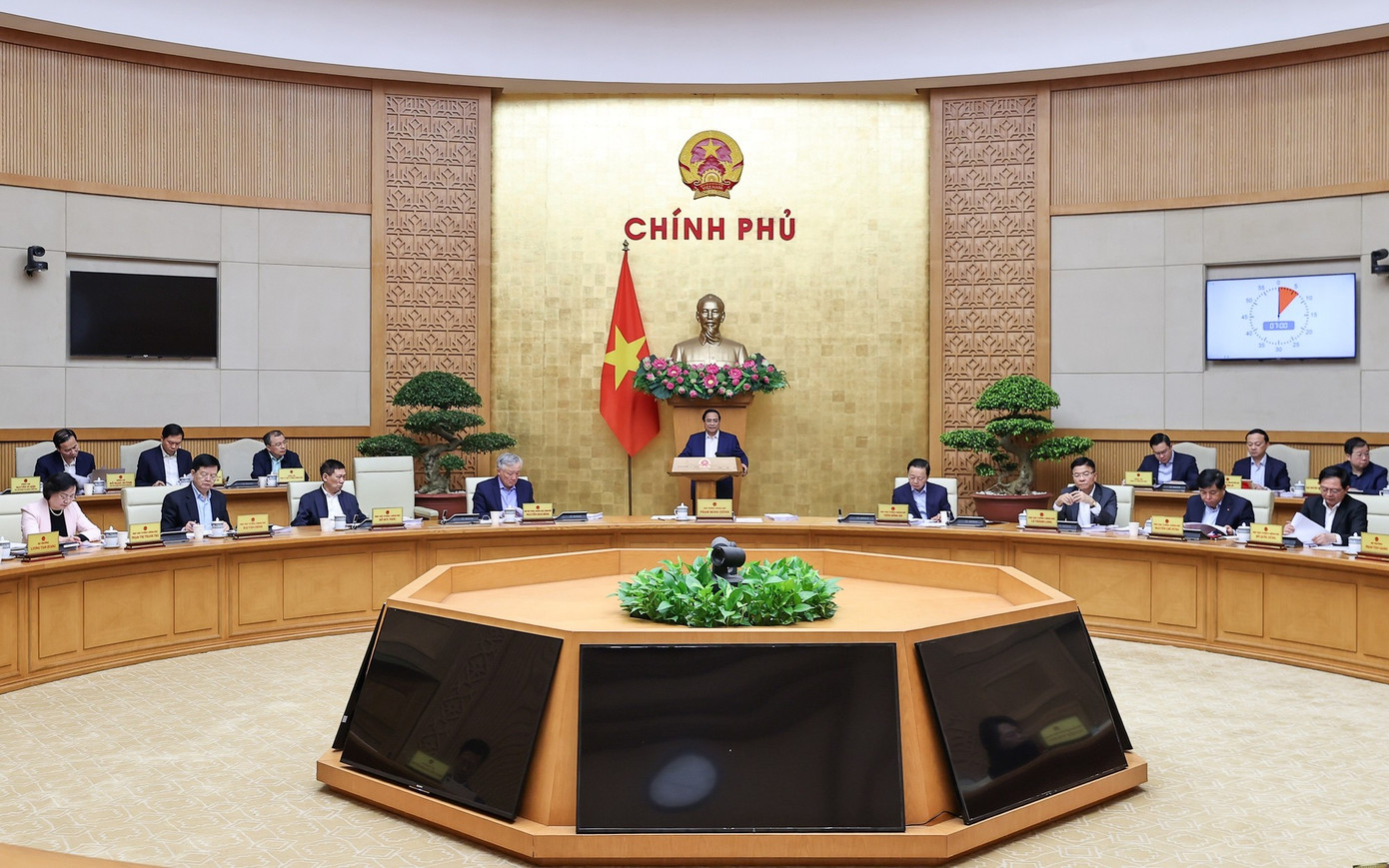
Prime Minister Pham Minh Chinh chairs the regular government meeting. Photo: VGP.
High gold and real estate prices, uneven implementation of the two-tier local government model, and prolonged heavy rains and floods affecting livelihoods also posed significant challenges.
The Prime Minister urged delegates to focus on discussing government, ministerial, and local leadership, highlighting November’s socio-economic achievements, challenges, causes, lessons learned, and future strategies.
He emphasized maintaining macroeconomic stability, controlling inflation, achieving an 8% GDP growth in 2025, and addressing post-disaster recovery, cultural, social, defense, security, and foreign affairs issues.
The Prime Minister also encouraged direct feedback on the draft resolution of the session and the 2026 Resolution 01.
Confidence Returns: Businesses See a Brighter Market Ahead
Amidst a stable market backdrop, accelerated public investment, robust export performance, and an expanding capital market, numerous economic experts forecast that 2026 will be an exceptionally favorable year for Vietnam’s economy.
2026 Economic Landscape: A Golden Opportunity for Businesses and Ho Chi Minh City’s Vision of a Megacity
At the 86th HUBA Entrepreneur Café event, themed “Economic Forecast for 2026 – Growth, Interest Rates, and Exchange Rates,” held on the morning of November 29th, Dr. Cấn Văn Lực, Chief Economist at BIDV and a member of the Prime Minister’s Policy Advisory Council, shared insights into the economic landscape and strategic directions for businesses in the context of 2026.
High-Speed North-South Railway Project: Direct Investment Emerges as the Sole Viable Model

Renowned economist Vu Dinh Anh asserts that the optimal financing model for the North-South high-speed rail project is direct private investment, wherein the state provides 80% of the capital through loans, and private investors contribute the remaining 20%. This approach surpasses both traditional public investment and public-private partnerships (PPPs) in terms of efficiency and feasibility.
Upgrading Hanoi’s Gateway: Transforming Key Highway Routes

The rapid increase in traffic has led to severe congestion on the Cau Gie – Ninh Binh Expressway, prompting authorities to consider expanding it to six lanes. The Ministry of Construction has proposed assigning the project to VEC to ensure timely completion and efficient operation.
Interest Rates Remain Stable to Bolster Year-End Business and Production Growth
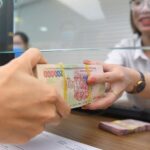
A stable macroeconomic environment, controlled inflation, and increased capital mobilization have empowered credit institutions to reduce costs and maintain competitive lending rates. This strategic financial landscape fosters robust growth in production, business, trade, and services, particularly during the year-end period.