Hanoi’s ambitious energy security initiative under Resolution 70
Hanoi Implements Resolution 70 to Ensure National Energy Security
The Hanoi Party Committee has unveiled a comprehensive plan to execute Resolution 70-NQ/TW issued by the Politburo, focusing on securing national energy security by 2030, with a vision extending to 2045.
This strategic move marks a pivotal shift, underscoring Hanoi’s commitment to energy self-sufficiency, the expansion of renewable energy sources, and the support of high economic growth.
By 2030, Hanoi aims to achieve a commercial electricity output of over 52,178 million kWh, averaging 5,721 kWh per capita annually. The peak capacity is projected at 9,400 MW, ensuring a stable power supply for economic and social development.
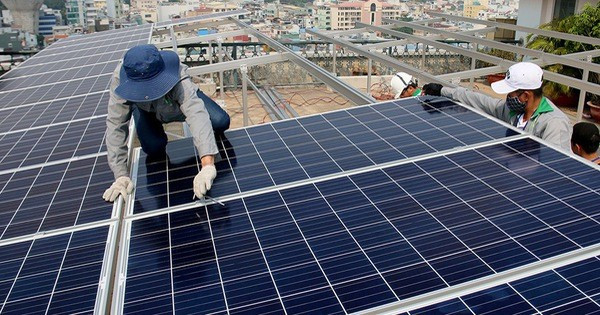
Renewable energy is set to constitute at least 5% of the total primary energy supply, with solar power identified as a key breakthrough area. The target is to reach approximately 1,500 MW in solar power capacity.
The city will prioritize large-scale solar power projects and systematically deploy rooftop solar systems across industrial zones, government offices, residential complexes, commercial buildings, and households.
By 2030, 50% of all municipal government buildings are mandated to operate self-sufficient rooftop solar systems, without feeding excess power back into the grid.
Additionally, Hanoi aims to generate approximately 280 MW of electricity from waste and achieve an 8–10% reduction in total energy consumption through high-efficiency appliances and regular energy audits. The city also plans to maintain a 90-day reserve of imported petroleum and develop LNG import infrastructure, aiming to reduce greenhouse gas emissions by 15–35% compared to baseline scenarios.
In terms of the power grid, Hanoi will complete the transition to a unified 22 kV voltage level and achieve 100% underground cabling for medium and low-voltage networks in urban and stable planning areas. The smart grid system will aim for N-1 reliability in critical areas and N-2 in highly critical areas, aligning with regional capital standards.
Looking ahead to 2045, Hanoi envisions robust energy security, a transparent competitive electricity market, and a modern, sustainable energy sector resilient to climate change. The energy infrastructure and workforce will meet the standards of developed industrial nations.
Hanoi Chairman Directs Urgent Action to Tackle Severe Garbage Accumulation on Ring Road 2 and Ring Road 3
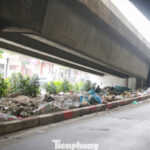
Addressing the rampant issue of illegally dumped waste and debris obstructing traffic and polluting the environment along Ring Road 2 and Ring Road 3, as recently highlighted by the media, the Chairman of Hanoi City has issued directives to relevant departments for immediate inspection and resolution.
Hanoi Launches Urgent Flood Control Projects Ahead of the 2026 Rainy Season
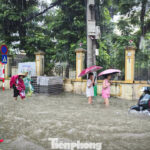
The municipal government has mandated that relevant agencies expedite the implementation of critical flood prevention construction projects ahead of the 2026 rainy season. This initiative includes the renovation, upgrading, and construction of new drainage systems to address flooding in key areas such as Resco Urban Area, Ecohome, West Tay Ho, Diplomatic Corps District, Ciputra, Vo Chi Cong, Long Bien, Dong Anh, and Gia Lam.
“Asian Nation’s Sudden U-Turn: Why the Shift Away from Russian Energy After Recent Pledge?”
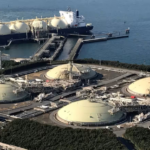
Japan faces mounting pressure to reassess its LNG import strategy from Russia, amid shifting global energy dynamics and geopolitical tensions.
Hanoi Finalizes Deadline for Land Clearance of Seven Red River Overpass Projects
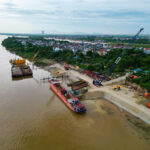
Hanoi has mandated that 19 communes and wards must complete land clearance by December 31, 2025, to facilitate the construction of seven bridges across the Red River.
Pioneering Low-Emission Zone: Hanoi’s Ring Road 1 Set to Lead the Way

At a specialized information conference held on the afternoon of December 5th, Deputy Director of Hanoi’s Department of Agriculture and Environment, Nguyen Minh Tan, announced that the city will pilot a low-emission zone within the Ring Road 1 area starting July 1, 2026. This initiative is considered a pivotal step toward enhancing air quality, reducing vehicle-related pollution, and creating a safer living environment for urban residents.