The Hanoi People’s Committee has recently unveiled a comprehensive plan to address the persistent issue of urban flooding across the city.
In recent years, Hanoi has faced severe flooding due to heavy rainfall exacerbated by climate change, impacting numerous roads and residential areas. Prolonged inundation has resulted in significant property damage and disrupted daily life. Notably, three consecutive storms—Kajiki (No. 5), Bualoi (No. 10), and Matmo (No. 11)—worsened widespread flooding.
To proactively combat unpredictable weather patterns, the city authorities mandate urgent implementation of critical infrastructure projects before the 2026 rainy season. Key initiatives include upgrading existing pumping stations, deploying mobile pumping units, and constructing new drainage systems along Thang Long Avenue to mitigate flooding.
Projects encompass rehabilitating the Kim Nguu downstream channel connecting To Lich River to Yen So Pumping Station, and upgrading drainage systems in Resco, Ecohome, Tay Ho Tay, Diplomatic Corps, Ciputra, Vo Chi Cong, Long Bien, Dong Anh, and Gia Lam urban areas.
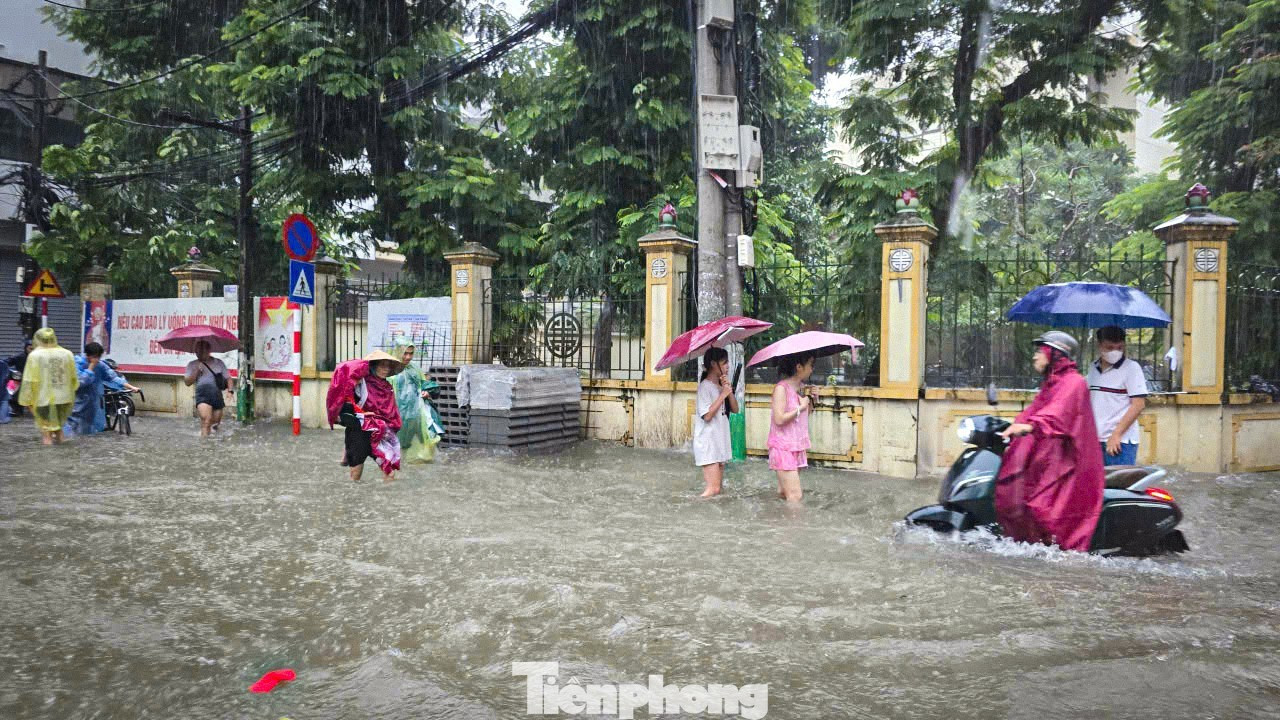
Recent storms left multiple western urban districts severely submerged.
The Thuy Phuong canal will be upgraded to divert To Lich River water, alleviating localized flooding in Resco, Ecohome, Diplomatic Corps, Tay Ho Tay, Ciputra, and surrounding areas.
Additional measures include dredging the Nhue River’s main channel (Phase I) and connecting the Kim Nguu downstream to Yen So Pumping Station.
New detention basins are planned, including: Chem Lake (9 ha, Dong Ngac Ward), Co Nhue, Thuy Phuong 2 (14.5 ha), Lien Mac 1 (13 ha, Thuong Cat Ward), Phu Do (31.5 ha, Tu Liem Ward), and Yen Nghia 1 (20 ha, An Khanh Commune).
Ongoing projects, such as the Vinh Thanh drainage system, Phuong Trach pumping station upgrade, and Yen Nghia drainage station, will be accelerated. Preparatory procedures for projects like the Left Nhue River Basin drainage, Ha Dong District drainage, Gia Thuong pumping station, and Upper Thanh canal will also be expedited.
The plan includes converting non-agricultural rivers and canals into urban drainage systems. Developers must complete and handover integrated infrastructure—drainage systems, detention basins—to synchronize with the city’s broader drainage network.
Hanoi Finalizes Deadline for Land Clearance of Seven Red River Overpass Projects
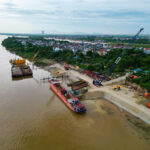
Hanoi has mandated that 19 communes and wards must complete land clearance by December 31, 2025, to facilitate the construction of seven bridges across the Red River.
Pioneering Low-Emission Zone: Hanoi’s Ring Road 1 Set to Lead the Way

At a specialized information conference held on the afternoon of December 5th, Deputy Director of Hanoi’s Department of Agriculture and Environment, Nguyen Minh Tan, announced that the city will pilot a low-emission zone within the Ring Road 1 area starting July 1, 2026. This initiative is considered a pivotal step toward enhancing air quality, reducing vehicle-related pollution, and creating a safer living environment for urban residents.
Unlocking Bottlenecks: Establishing Special Mechanisms for Critical Projects in the Capital
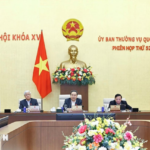
The Chairman of the National Assembly emphasized the need to prioritize critical national projects that significantly impact the economy, society, and environment, extending beyond the capital city to the entire region.
Hanoi Terminates 272-Hectare Urban Development Project by Posco E&C
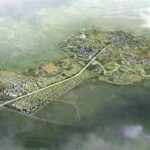
The Vice Chairman of the Hanoi People’s Committee, Nguyen Manh Quyen, has officially signed a document terminating the effectiveness of the 272-hectare urban area project by Posco E&C.
Hanoi Businesses Invest Over 400 Billion VND to Fully Transition to Electric Buses

A pioneering transportation company in Hanoi has successfully transitioned its entire fleet to 100% electric buses, setting a new standard for sustainable urban mobility.