Advancing Innovative Technological Solutions
On the afternoon of December 5th, Prime Minister Pham Minh Chinh chaired a meeting of the Standing Committee of the Government Party Committee and the Standing Government, providing input on the plan to combat land subsidence, landslides, flooding, drought, and saltwater intrusion in the Mekong Delta region. The meeting also discussed the draft report to the Politburo on the outcomes of addressing certain outstanding issues, including Ho Chi Minh City’s flood control project and other initiatives related to environmental protection and climate change.
After reviewing the reports and opinions, Prime Minister Pham Minh Chinh expressed general agreement with the content and proposals presented by the Party Committee of the Ministry of Agriculture and Environment. He instructed that all feedback from the meeting be thoroughly considered to promptly finalize the dossier and materials for submission to the Politburo, ensuring compliance with regulations and maintaining both quality and timeliness.
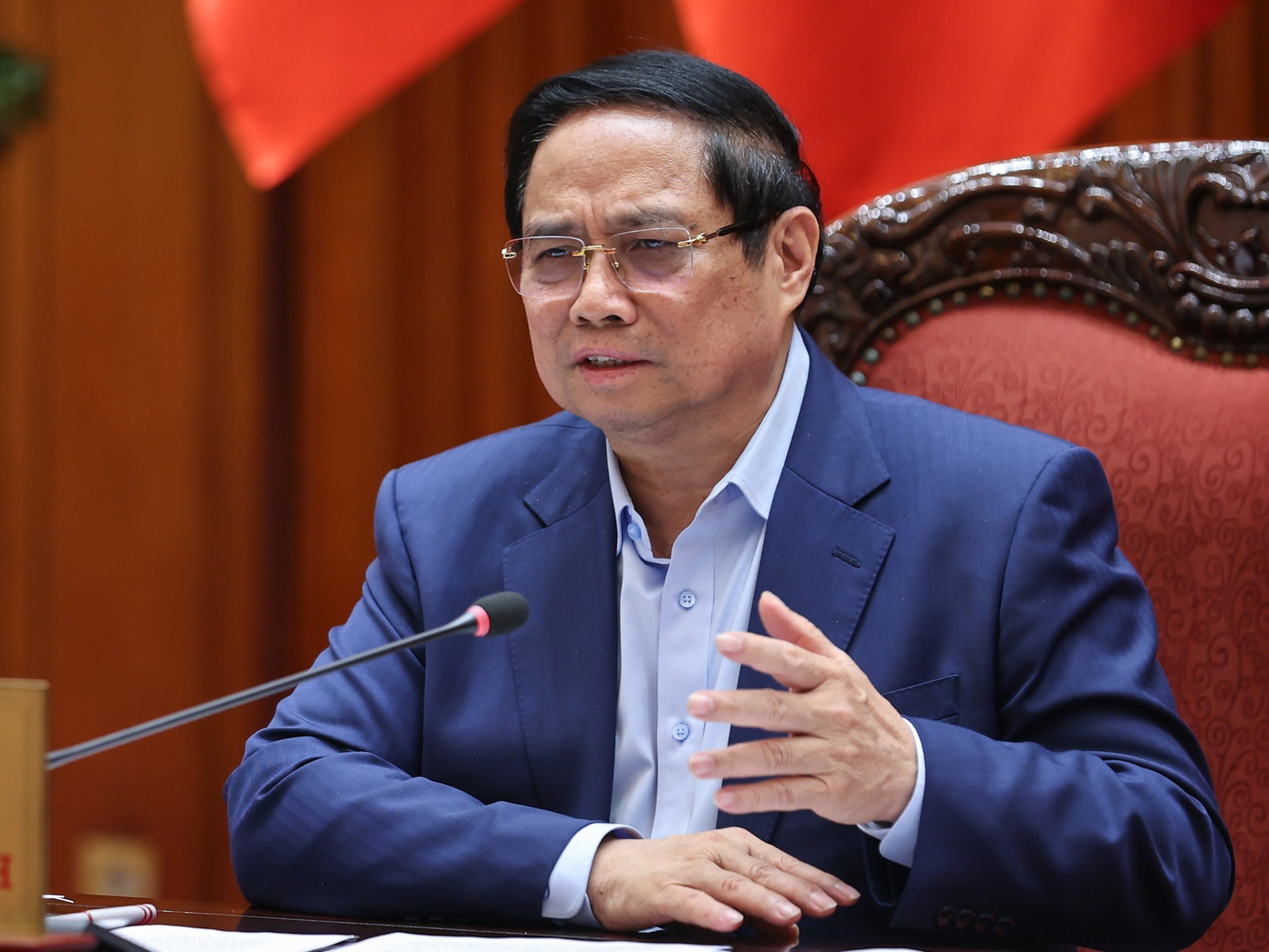
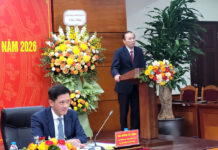
Prime Minister Pham Minh Chinh delivering remarks. Photo: VGP
The Prime Minister emphasized that the Mekong Delta is the most fertile plain in our country, boasting a rich cultural heritage and significant development potential, particularly in agriculture. However, it faces critical challenges such as land subsidence, riverbank and coastal erosion, flooding, drought, and saltwater intrusion. These issues are interconnected, with each influencing the others, and all are tied to water resources. Solutions for one problem may impact others.
Stressing the need to give the Mekong Delta its rightful place in leadership, guidance, and resource allocation, the Prime Minister outlined a guiding philosophy for the plan. This includes adopting “harmonious with nature” solutions that are flexible and effective in adapting to climate change in the region. Comprehensive, holistic, and fundamental approaches are required to address land subsidence, riverbank and coastal erosion, flooding, drought, and saltwater intrusion, ensuring the sustainable development of the Mekong Delta.
Emphasizing clarity in responsibilities and tasks, the Prime Minister suggested several measures, including the implementation of science and technology programs and projects. Notably, he advocated for the expansion of new technological solutions that have proven effective in practice, as well as non-structural solutions such as resettlement, planting and protecting mangrove forests, and coastal protective forests.
Addressing Pollution in Hanoi and Ho Chi Minh City
Regarding the resolution of outstanding issues related to Ho Chi Minh City’s flood control project and other environmental and climate change initiatives, reports and opinions at the meeting highlighted that the Politburo and the Government have been decisively addressing long-standing project bottlenecks. These efforts aim to activate projects, unlock resources, and prevent waste.
Ho Chi Minh City’s flood control project, which has faced prolonged delays, was addressed by Government Resolution No. 212/NQ-CP dated July 21, 2025, which aimed to resolve obstacles. According to the Party Committee of the Ministry of Agriculture and Environment, the project is now progressing actively without significant issues requiring Politburo intervention.
The Prime Minister expressed general agreement with the draft report to the Politburo prepared by the Party Committee of the Ministry of Agriculture and Environment. He requested the incorporation of feedback from the meeting and the continuous updating of information to refine the report on Ho Chi Minh City’s flood control project.
Additionally, the Prime Minister suggested issuing nationwide directives and exploring projects to mitigate pollution and manage air quality in key localities, starting with Hanoi and Ho Chi Minh City. He instructed a review of existing mechanisms and policies, recommending their implementation where applicable. For areas requiring new mechanisms or policies not yet defined by law, proposals should be submitted to the Politburo.
Hanoi Launches Urgent Flood Control Projects Ahead of the 2026 Rainy Season
The municipal government has mandated that relevant agencies expedite the implementation of critical flood prevention construction projects ahead of the 2026 rainy season. This initiative includes the renovation, upgrading, and construction of new drainage systems to address flooding in key areas such as Resco Urban Area, Ecohome, West Tay Ho, Diplomatic Corps District, Ciputra, Vo Chi Cong, Long Bien, Dong Anh, and Gia Lam.
Prime Minister: Mobilize at Least 35% of Social Resources for Mekong Delta’s Erosion and Salinity Control Projects
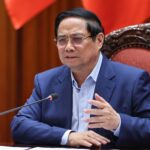
At the meeting on the afternoon of December 5th, Prime Minister Phạm Minh Chính directed the completion of the Master Plan for Preventing Land Subsidence, Landslides, Drought, and Salinization in the Mekong Delta. The plan is to be comprehensive, aligned with natural conditions (“thuận thiên”), and will strongly mobilize non-budget resources.
Billions Saved Through Operational Optimization at Dung Quat Refinery

At Dung Quat Refinery, the LCO-HDT unit is engineered to eliminate sulfur and impurities from LCO feedstocks originating from the RFCC unit. However, BSR’s engineering team identified an opportunity to optimize the unit’s operational mode, reducing energy consumption while maintaining product quality.
Global Experts Offer Solutions to Tackle Vietnam’s $13 Billion Annual Disaster Crisis

Failure to address this issue promptly will exacerbate the detrimental impact on public health and the Vietnamese economy, leading to increasingly severe consequences.
Who is the Largest Shareholder of the Song Ba Ha Hydropower Plant?
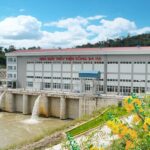
With a chartered capital of 1.242 trillion VND, Song Ba Ha Hydropower Joint Stock Company has consistently delivered strong business performance over the years.