







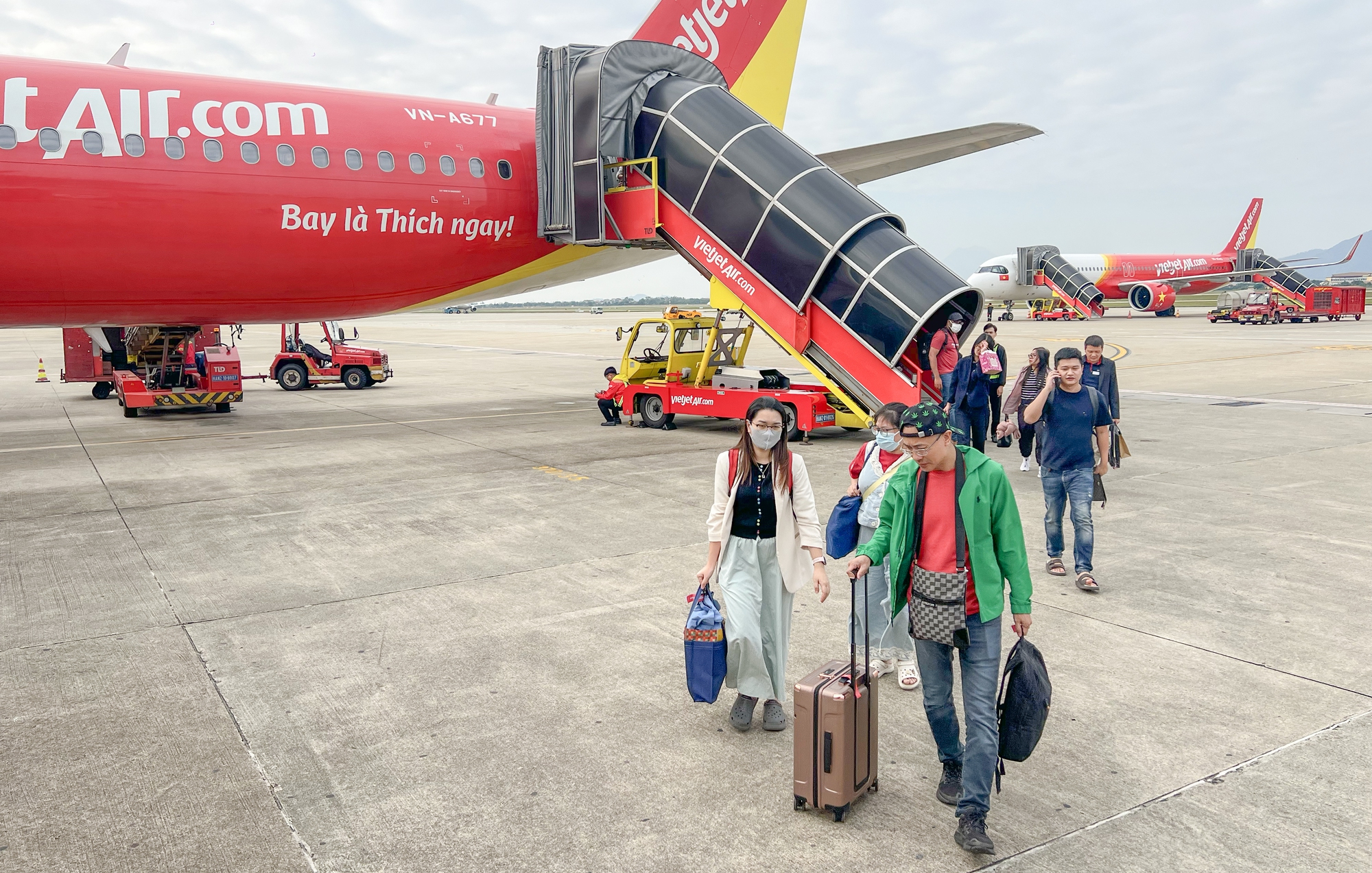
Vietnam’s Civil Aviation Authority sets a target of 95 million passengers in air transport by 2026.
Building on the 2025 Growth Momentum
As of the first 11 months of 2025, Vietnam’s aviation sector has shown promising signs of growth. According to the Civil Aviation Authority of Vietnam (CAAV), air transport has reached 69.3 million passengers and 1.2 million tons of cargo, marking a 10.8% and 18.5% increase, respectively, compared to the same period in 2024.
The international market stands out with 38.4 million passengers (up 13.6%) and 1.1 million tons of cargo (up 22.7%). This recovery is attributed not only to natural demand but also to proactive measures by regulatory bodies.
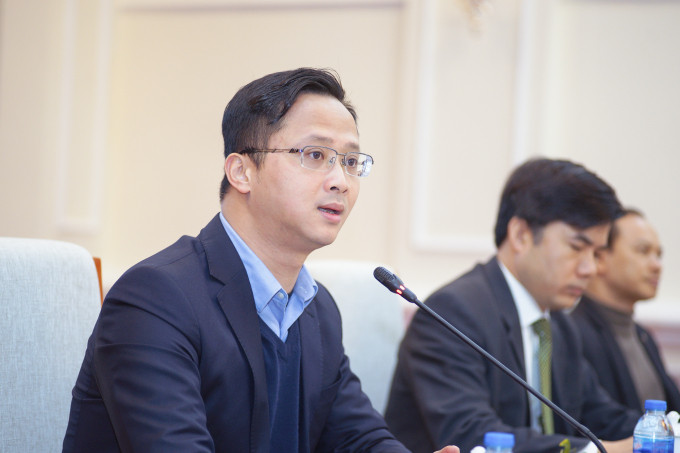
Mr. Uong Viet Dung – Director of the Civil Aviation Authority of Vietnam
Mr. Uong Viet Dung, Director of CAAV, commented, “The surge in air travel demand and effective international aviation cooperation have significantly contributed to the positive outcomes in 2025.”
Vietnam Airlines CEO Le Hong Ha predicts double-digit growth in aviation and tourism for the year, including both international and domestic sectors. International arrivals are expected to grow by 14-15%, while domestic tourism will maintain a 7-8% growth rate.
He anticipates this growth to continue into 2026, driven by the aviation and tourism sectors’ efforts and government policies, such as promoting tourist destinations, introducing new products, and easing visa policies for European countries. These initiatives are expected to benefit not only the current year but also future years.
Additionally, tourism’s ripple effect on other economic sectors positions Vietnam as an attractive destination, significantly contributing to overall economic growth.
“Three Pillars” Propelling Growth in 2026
According to CAAV and industry experts, 2026 is projected to be a year of robust growth, supported by three key pillars: Macroeconomics, Policy Framework, and Strategic Infrastructure.
Macroeconomics: The National Assembly has approved a GDP growth target of 10% or higher for 2026. Mr. Uong Viet Dung views this as a “significant macroeconomic boost”, fostering an environment conducive to increased trade and travel.
Policy Framework: 2026 will see the implementation of the new Civil Aviation Law and associated policies, expected to streamline regulations and support market growth.
Strategic Infrastructure: Long-standing infrastructure bottlenecks are set to be resolved, with the Long Thanh International Airport nearing completion. CAAV is finalizing operational plans for Long Thanh and Tan Son Nhat airports, including a technical flight scheduled for December 19, 2025. Projects at Gia Binh and Phu Quoc airports are also accelerating to enhance network capacity.
Identifying Risks and Proposing Solutions
Despite the optimistic outlook, CAAV remains cautious about potential risks, including geopolitical tensions, fuel price fluctuations, exchange rates, and technical challenges like the shortage of PW1100 engines for Airbus A320/1NEO aircraft and global supply chain disruptions.
To achieve growth targets and support businesses, Mr. Uong Viet Dung stated that CAAV has submitted specific proposals to the Ministry of Construction and relevant authorities.
He emphasized, “CAAV recommends… investment in expanding aviation infrastructure, particularly major international airports, to address overcapacity and reduce logistics costs. Financial incentives and credit interest rate policies for Vietnamese airlines are also proposed to support restructuring and sustainable recovery.”
The aviation sector further suggests expanding visa and stay policies to boost international tourism, ensuring a steady passenger flow for airlines.
With comprehensive preparations in infrastructure (Long Thanh), policy (new Civil Aviation Law), and macroeconomic support, 2026 is poised to usher in a new growth cycle, propelling Vietnamese aviation to new heights.
Accelerating Installation in Long Thanh Air Traffic Control Tower to Welcome the First Flight
The second phase of the Long Thanh Airport project is entering its final stretch, with technical components and equipment installation in the air traffic control tower being expedited to ensure timely operation.
Former Bamboo Airways Chairman: I and Duong Cong Minh Are Responsible for Debts Incurred from August 2022 to September 25, 2025

“During the restructuring phase of Bamboo Airways, we faced numerous challenges stemming from both internal and external factors. Fluctuations in the aviation market significantly impacted our operations, leading to delayed payments to suppliers, which fell short of our initial commitments,” stated Mr. Sâm.
Vietnamese Airlines Aim for Double-Digit Growth by 2026
Vietnam’s aviation sector is poised for a remarkable year in 2026, with the Civil Aviation Authority of Vietnam forecasting a significant surge in growth. The industry aims to transport 95 million passengers and 1.6 million tons of cargo, representing a 13% increase in passenger traffic and a 15% rise in cargo volume compared to 2025.
Dong Nai Surges Ahead, Surpassing 2025 GRDP Targets and Solidifying Its Role as a Regional and National Economic Powerhouse

In 2025, Dong Nai province’s economy surged ahead, with its GRDP surpassing the government’s target. This remarkable growth further solidified Dong Nai’s position as a leading economic powerhouse in the Southeast region and across Vietnam.
Proposed Developments for Long Thanh International Airport

Vietnam Airports Corporation (ACV) has submitted a proposal to the Ministry of Construction, seeking to be appointed as the lead investor for Phase 2 of the Long Thanh International Airport project in Dong Nai Province. The proposal emphasizes the principle of “one airport, one operator” to ensure unified operations and long-term development.