As reported by Tien Phong Newspaper, there are currently hundreds of informal residential areas on agricultural land in Ho Chi Minh City. Residents live in unnumbered houses within these self-built communities, conducting property transactions using notarized documents.
The northern part of Ho Chi Minh City (formerly Binh Duong) has the highest concentration of these informal settlements. Specifically, the former Tan Uyen City has over 90 areas, the former Ben Cat City has approximately 50, and the former Di An City leads with 362 areas.
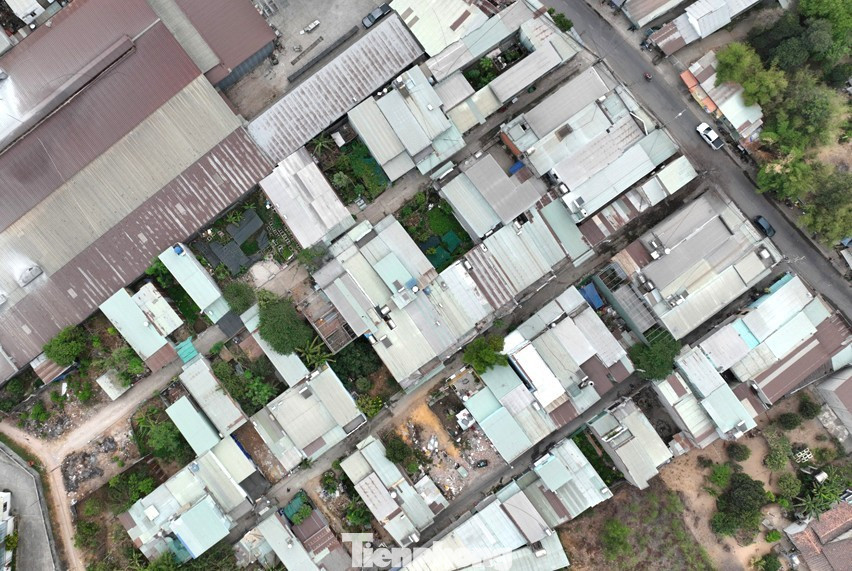
An informal housing area in An Phu Ward, Ho Chi Minh City, built years ago. This site is under evaluation for potential renovation and preservation if it aligns with urban planning.
Local authorities have intervened, demolishing and renovating approximately 50 informal housing areas. Residents in the remaining unnumbered homes live in uncertainty and anxiety.
In addition to demolitions, authorities have addressed planning compliance for some areas, allowing them to remain and providing residents with stability. For instance, in the former Di An City, 21 areas have completed infrastructure upgrades, and 15 areas have issued 567 land-use certificates.
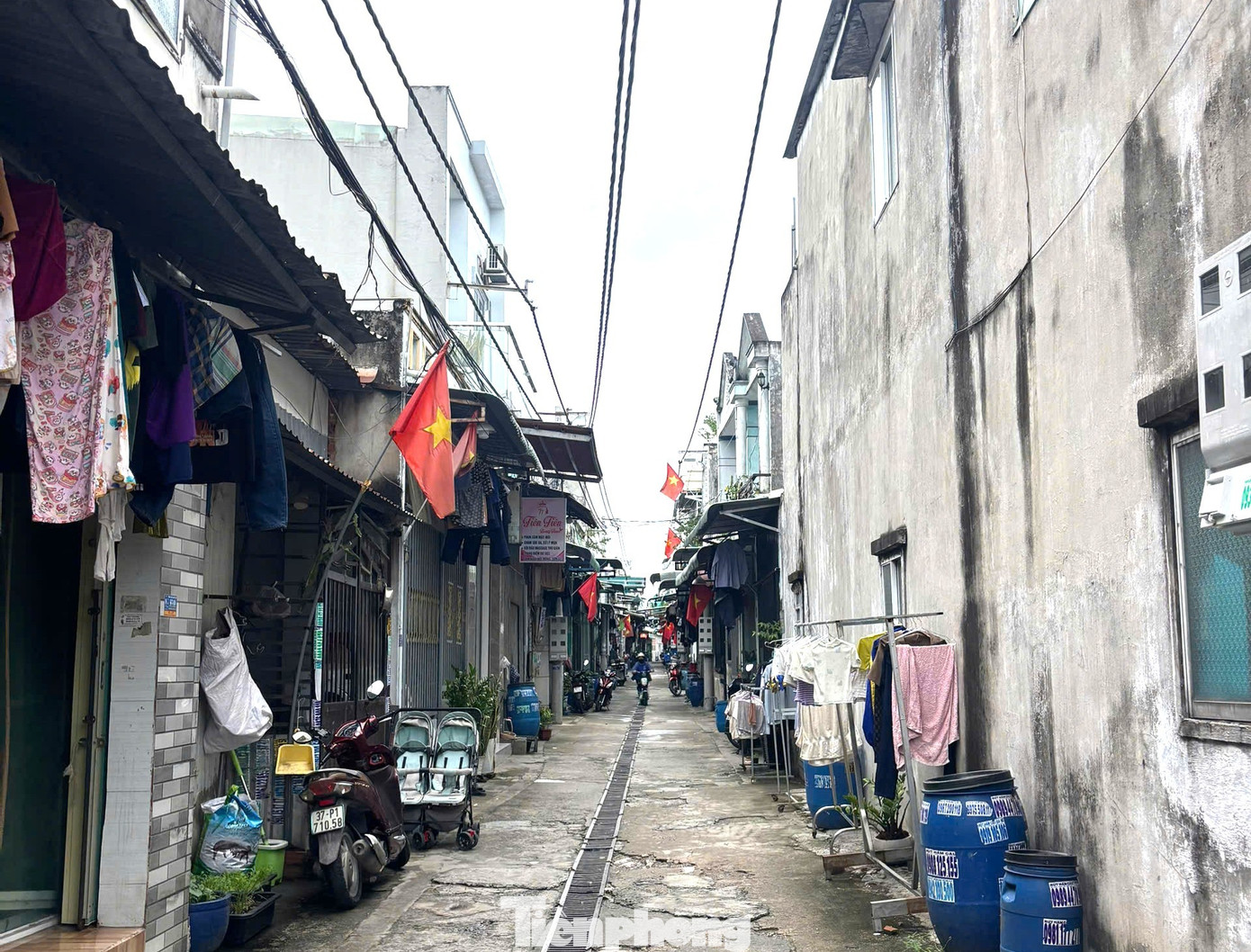
An informal housing area in Tan Khanh Ward, Ho Chi Minh City.
The Ho Chi Minh City Department of Planning and Architecture announced that the former Binh Duong Province had developed a plan to renovate and upgrade essential infrastructure in urban and rural residential areas by 2030, aiming to enhance residents’ quality of life.
Urban renovation, particularly in informally subdivided areas, is crucial for building a modern, sustainable city. The plan includes two key components: renovating informal housing areas and upgrading alleyways to ensure essential infrastructure. Funding will involve both government and community contributions to meet basic infrastructure needs.
In 2017, the former Binh Duong Province issued guidelines for handling unauthorized constructions predating January 2014, allowing residents to legalize and renovate structures in compliance with planning. However, this only applies to areas aligned with approved land-use or functional zoning plans.
Unauthorized constructions in non-compliant areas face demolition. The Ho Chi Minh City Department of Construction advises against building in unpermitted areas to avoid property loss and legal consequences.
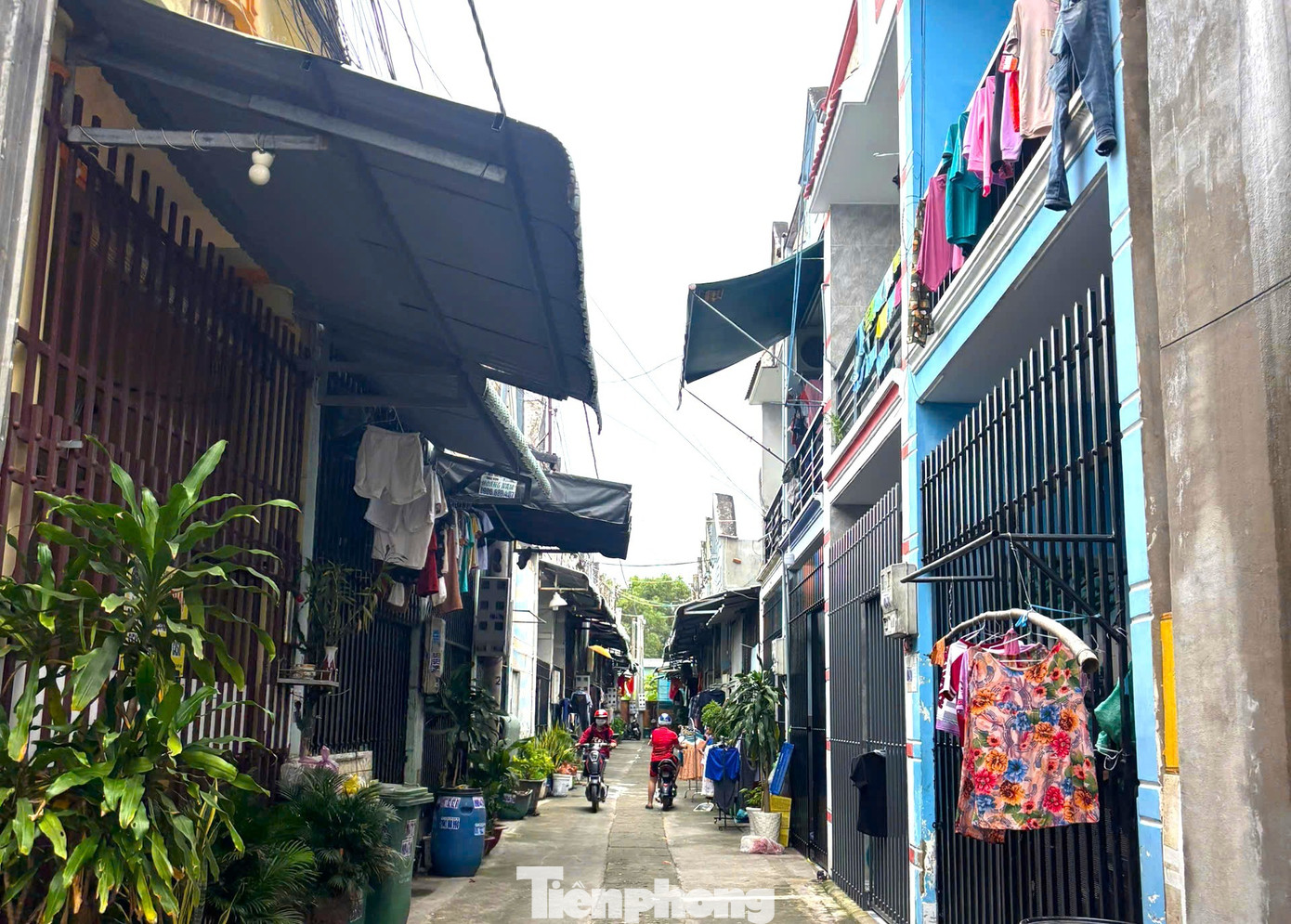
A long-standing informal housing area in Tan Khanh Ward, Ho Chi Minh City.
The Ho Chi Minh City Department of Agriculture and Environment has directed 36 wards in the former Binh Duong Province to urgently inspect all land subdivision and illegal foundation sales. Results must be reported by December 31, 2025, to address ongoing unauthorized development.
Signboards at informal housing areas in Tan Khanh Ward, Ho Chi Minh City:
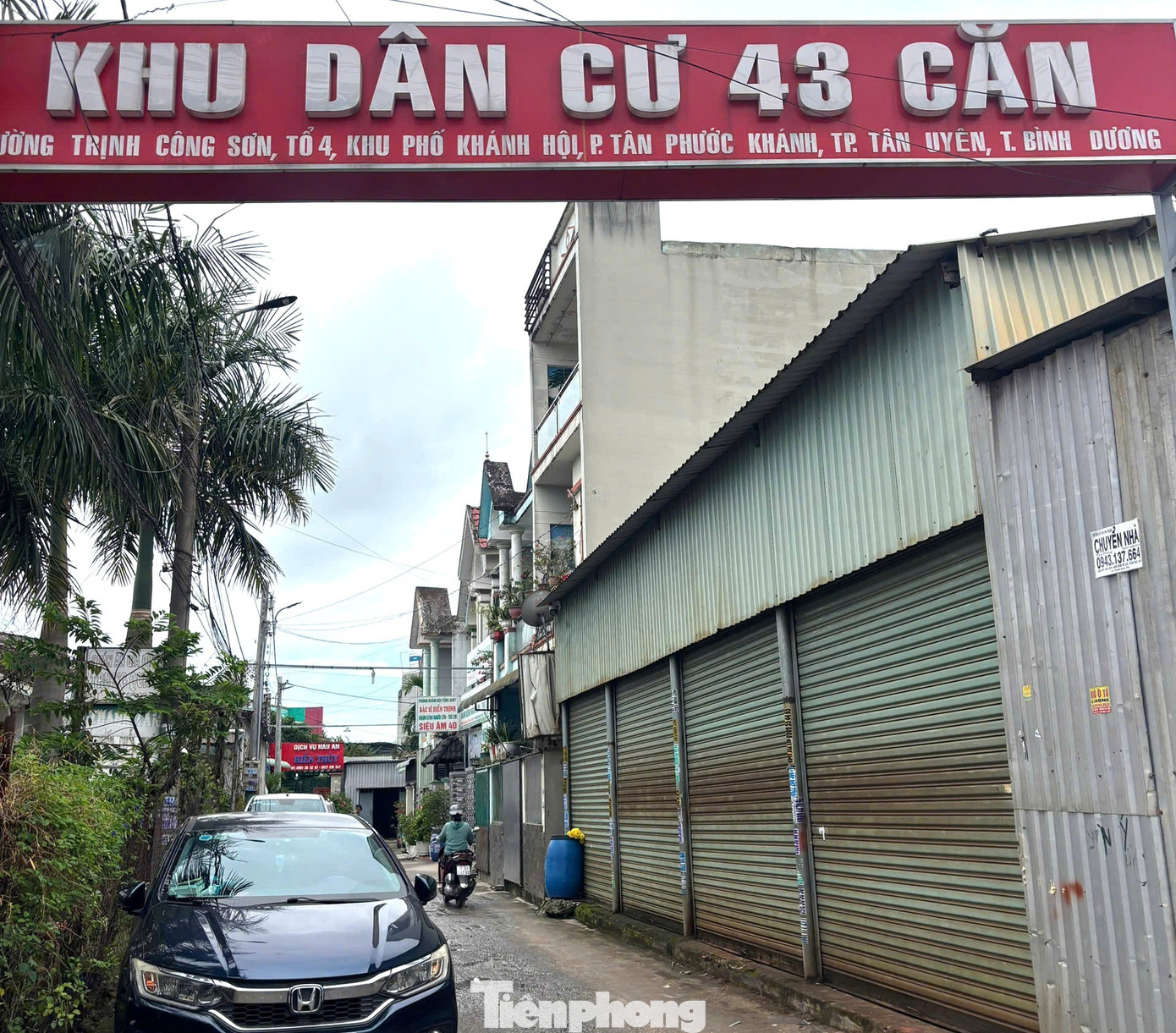
43-Unit Residential Area
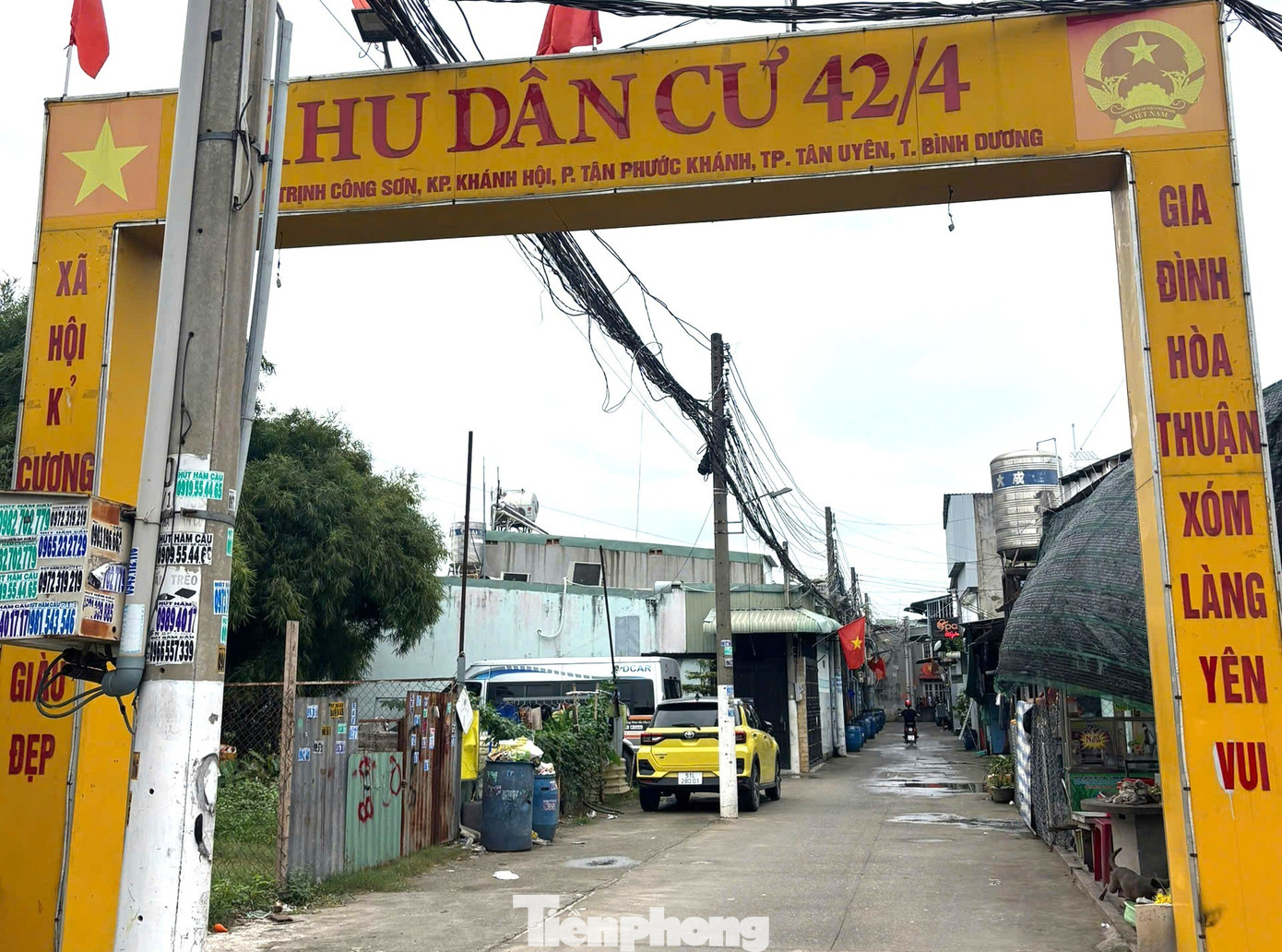
42/4 Residential Area
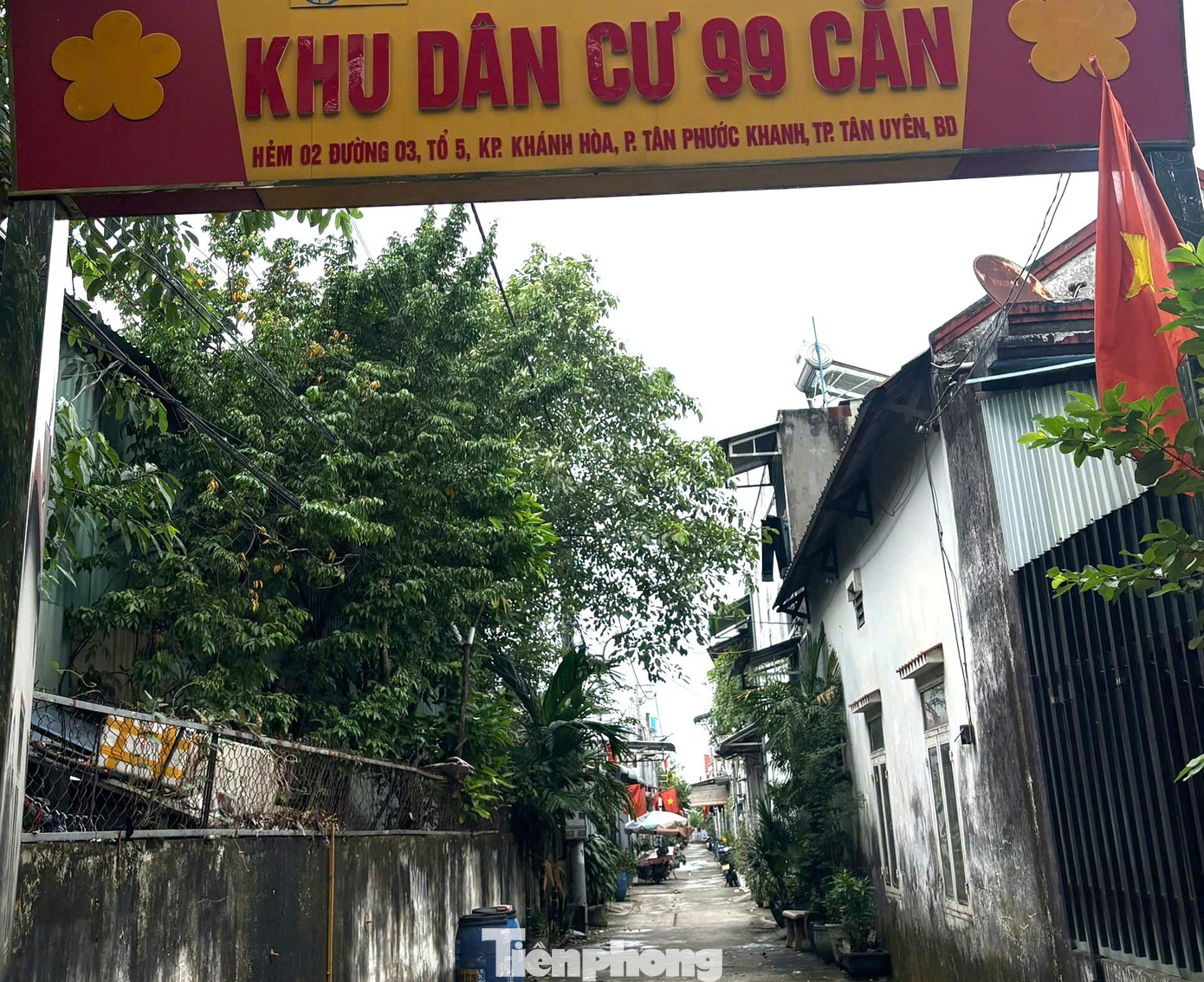
99-Unit Residential Area
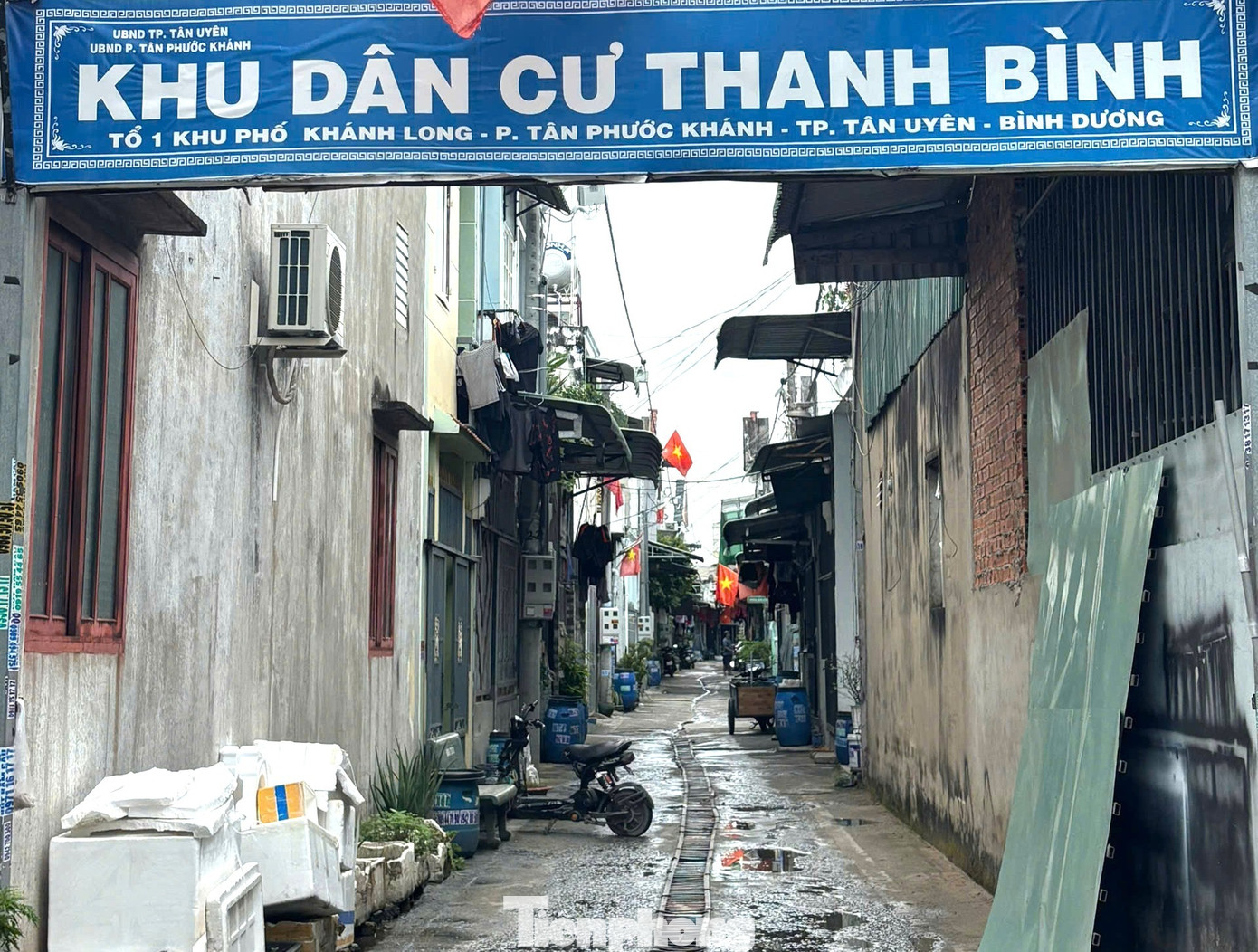
Thanh Binh Residential Area
The Race Intensifies: Dai Dung Group, Deo Ca, and THACO Consortium Revitalized as the $2.1 Billion Metro Line Sets Its Landmark Date

The Ho Chi Minh City Department of Construction has announced that the Ben Thanh – Tham Luong metro line will break ground before January 19, 2026, in celebration of the 14th National Party Congress.
Will the New Land Price List Drive Up Real Estate Values?
Following the release of the new land price schedule effective from 2026, land use fees, land rent, and compensation costs for site clearance have surged, significantly driving up project development expenses. The supply structure remains imbalanced, heavily concentrated in the high-end segment and large-value properties.
“CEO of PNJ, Lê Trí Thông: Today’s Youth Shop Not for Durability, but to Step onto a ‘Stage’”

As the middle class expands and consumer behavior shifts from functionality to experience, PNJ’s leadership recognizes that businesses must transform their products into a “stage” where customers can shine. Failure to do so will exclude them from the thriving Lifestyle economy.
Surge in Homebuyers Turning to Mortgages

In the first nine months of 2025, residents in the Southern region significantly increased their consumer credit borrowing for purposes such as purchasing homes, renovating properties, transferring land use rights for construction, and buying household items. The total outstanding consumer credit debt in this sector reached over 900 trillion VND, accounting for more than 61% of the total consumer credit debt and marking a 7% increase compared to the end of 2024.
9-Month Review: Home Loans and Mortgages Lead Consumer Credit Growth in Ho Chi Minh City and Dong Nai

Unlock the potential of your capital with our tailored financing solutions. Whether you’re purchasing, leasing, or renovating a home, or even acquiring land for residential construction, our credit options remain the most sought-after choice, commanding the largest share of total outstanding loans.