Add 896 Road Segments
The Ho Chi Minh City Department of Agriculture and Environment has recently submitted a document to relevant agencies seeking input on the draft resolution of the Ho Chi Minh City People’s Council. This resolution aims to establish the first land price list, effective from January 1, 2026, across the city.
According to the department, the 2026 land price list will address the limitations of the current list (Decision 79/2024). Notably, residential land prices on some central Ho Chi Minh City roads in the draft remain nearly unchanged from the old list and are only 60% of the actual transaction prices.
Mr. Dao Quang Duong, Acting Head of the Land Economy Department at the Ho Chi Minh City Department of Agriculture and Environment, stated that after gathering information, the new land price list, scheduled for release on January 1, 2026, will apply to 11,036 road segments. This represents an increase of 896 segments compared to the pre-merger list.
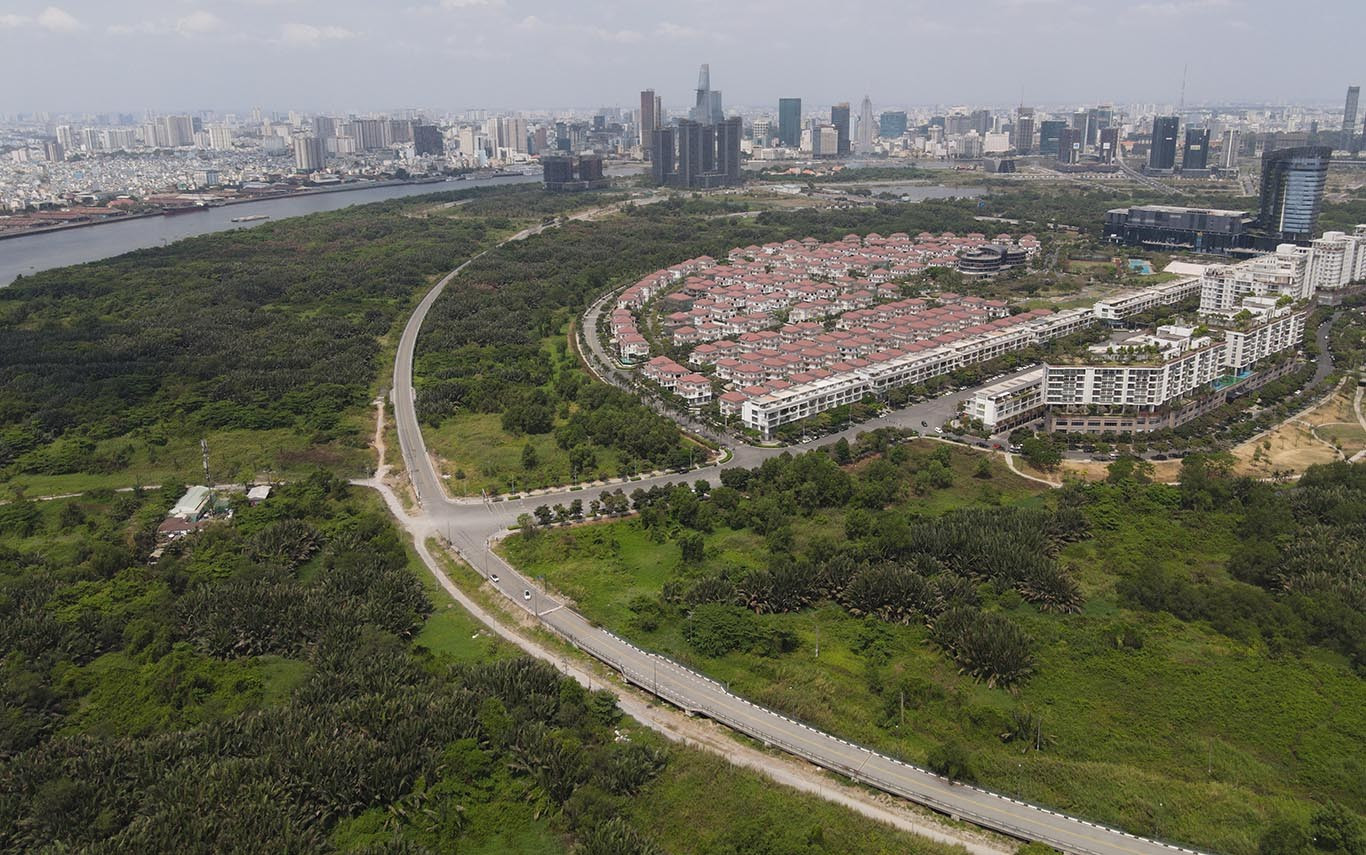
The new draft land price list for Ho Chi Minh City remains largely unchanged from the old list and is only 60% of the actual transaction prices.
To compile the land price list, consulting units collected 158,852 successful transaction records and 277 specific land price decisions approved for compensation, support, and resettlement purposes.
Currently, the highest land price under Decision 79/2024 is on Dong Khoi, Nguyen Hue, and Le Loi streets, at 687.2 million VND/m². The surveyed price by consulting units is 954.3 million VND/m², and the proposed price in the draft is 687.2 million VND/m².
The lowest land price is in the Thiềng Liềng residential area, with a price of 2.3 million VND/m² under Decision 79/2024. The surveyed price by consulting units is 3.8 million VND/m², and the proposed price is 2.3 million VND/m².
The average proposed price compared to the price under Decision 79/2024 by ward/commune ranges from 100% (in wards like Bàn Cờ, Xuân Hòa, Xóm Chiếu, and Khánh Hội) to 134% (in Cát Lái ward).
In the former Binh Duong area, the highest land price is on Yersin Street, with a price of 52.1 million VND/m² under Decision 63/2024. The surveyed price is 149.3 million VND/m², and the proposed price is 89.6 million VND/m².
The lowest land price is on DH.722 Road, Minh Tân – Long Hòa Road, and the inter-commune plastic road in Minh Tân – Định An, with a price of 580,000 VND/m². The surveyed price is 2.1 million VND/m², and the proposed price is 1.3 million VND/m².
For residential land in the former Ba Ria – Vung Tau area, the proposed price by consulting units is 42% higher than the price list under Decision 65/2024 and is also only 60% of the actual transaction prices.
According to Mr. Dao Quang Duong, for commercial and non-commercial business land in Ho Chi Minh City, Binh Duong, and Ba Ria – Vung Tau, the ratios are based on residential land prices for each area.
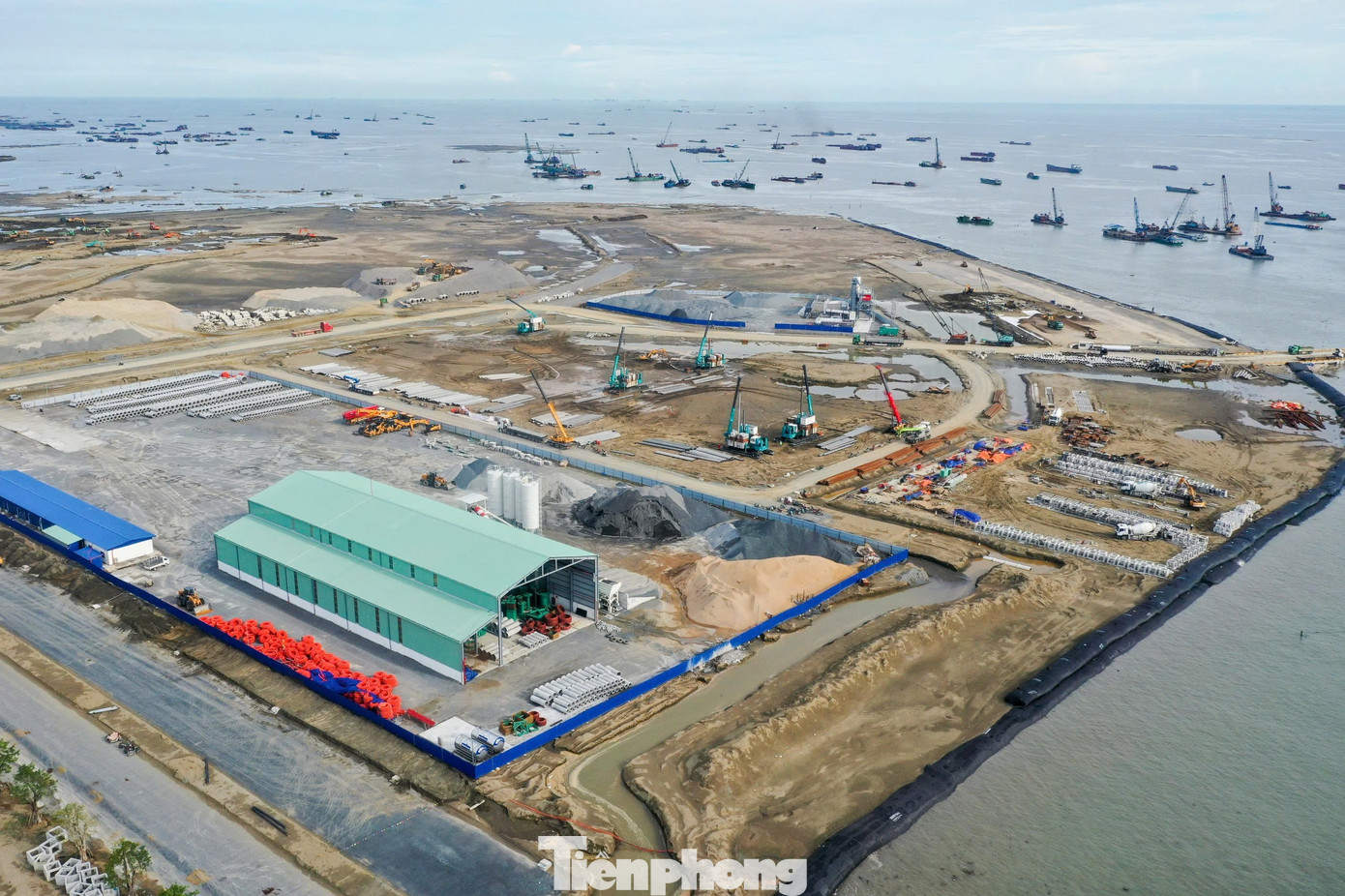
The new land price list adds 896 segments compared to the pre-merger list.
Specifically, the former Ho Chi Minh City area is divided into three groups. Group 1 includes districts 1, 3, 4, 5, 6, 10, 11, Binh Thanh, and Phu Nhuan, with commercial land at 80% of residential land and non-commercial business land at 60%. Group 2 includes districts 7, 8, 12, Tan Binh, Tan Phu, Binh Tan, Go Vap, and Thu Duc, with commercial land at 70% and non-commercial business land at 50%. Group 3 includes the former districts of Binh Chanh, Hoc Mon, Cu Chi, Nha Be, and Can Gio, with commercial land at 60% and non-commercial business land at 40%.
The former Binh Duong area has commercial land at 80% and non-commercial business land at 65%. The former Ba Ria – Vung Tau area has commercial land at 60% and non-commercial business land at 60%.
Expected Price Increase
The Vietnam Real Estate Market Research and Evaluation Institute (VARS IRE) emphasizes that the development of the land price list should be conducted cautiously, scientifically, and with a reasonable timeline. This ensures it reflects the market’s true value, avoids disruption, and minimizes financial pressure on residents and businesses.
VARS IRE notes that the new land price list, effective from January 1, 2026, will enhance market transparency and narrow the gap between state-determined prices and market prices. However, the significant increases in many areas pose notable risks for businesses, residents, and bank credit activities.
Residents undergoing land procedures, such as land use conversion, land ownership certificate issuance, or compensation for land clearance, will be most affected, as financial obligations are directly calculated based on the new list.
Costs for land use conversion, land ownership certificates, and real estate purchases may rise sharply, impacting middle and low-income groups. Disputes and complaints may arise in areas undergoing compensation and land clearance if price adjustments far exceed approved levels.
For real estate businesses, higher land prices increase compensation costs and land use fees, which are major components of project development costs. This could lead to significant increases in total project investment.
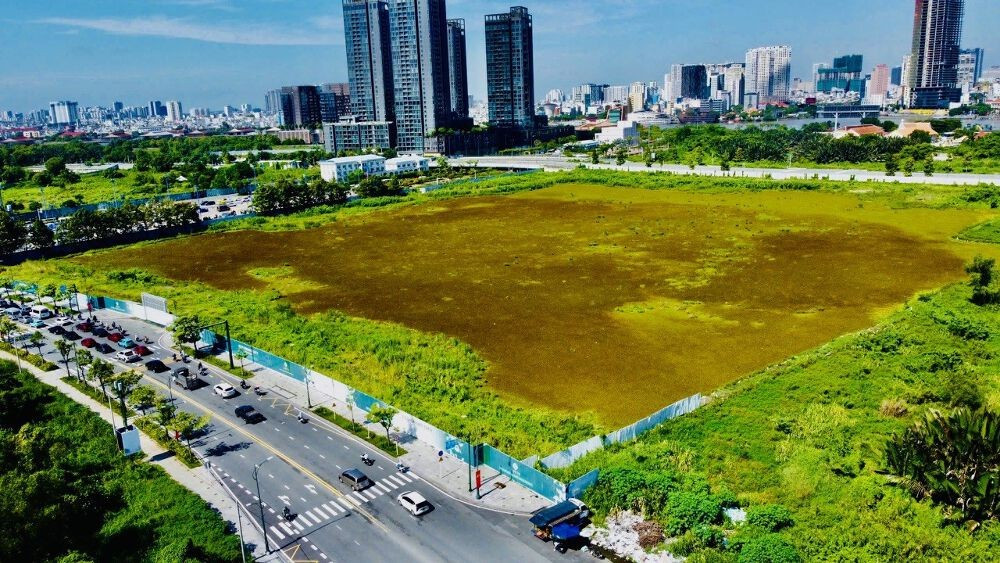
Expected price increases due to rising input costs may reduce real purchasing power, especially among genuine homebuyers.
For ongoing projects, businesses may face difficulties in deciding whether to continue or halt development, as increased land use fees could push total investment beyond financial capabilities.
For yet-to-start projects, businesses can better plan budgets and compensation strategies. However, market acceptance of higher prices remains uncertain, potentially leading to losses or delays in project launches, increasing dispute risks.
Rising land use costs, rental fees, and compensation expenses increase project development costs. The supply structure remains imbalanced, favoring high-end and large-value segments, as financially strong businesses can expedite development and market entry. Small and medium-sized businesses may struggle to launch new projects, potentially slowing commercial housing supply, especially in suburban areas.
Expected price increases due to rising input costs may reduce real purchasing power, especially among genuine homebuyers. A cautious wait-and-see approach for supportive policies could temporarily slow market activity.
“Developers tend to raise prices and focus on high-end products to maintain profit margins amid limited land availability. Overall market prices will continue to rise, pressuring residents’ access to housing,” said a VARS IRE representative.
VARS IRE recommends that the government establish a unified technical framework and pricing methodology, allowing local authorities to implement and adjust based on actual conditions. Localities should be permitted to set flexible adjustment coefficients by area, time, land use type, and socioeconomic development goals.
“CEO of PNJ, Lê Trí Thông: Today’s Youth Shop Not for Durability, but to Step onto a ‘Stage’”

As the middle class expands and consumer behavior shifts from functionality to experience, PNJ’s leadership recognizes that businesses must transform their products into a “stage” where customers can shine. Failure to do so will exclude them from the thriving Lifestyle economy.
Real Estate Firm Listed on HoSE Appoints New CEO

Our newly appointed CEO assumed the role of Vice President at VPH on November 7, 2025, just shy of a month before being entrusted with the helm of the executive leadership.
Surge in Homebuyers Turning to Mortgages

In the first nine months of 2025, residents in the Southern region significantly increased their consumer credit borrowing for purposes such as purchasing homes, renovating properties, transferring land use rights for construction, and buying household items. The total outstanding consumer credit debt in this sector reached over 900 trillion VND, accounting for more than 61% of the total consumer credit debt and marking a 7% increase compared to the end of 2024.
9-Month Review: Home Loans and Mortgages Lead Consumer Credit Growth in Ho Chi Minh City and Dong Nai

Unlock the potential of your capital with our tailored financing solutions. Whether you’re purchasing, leasing, or renovating a home, or even acquiring land for residential construction, our credit options remain the most sought-after choice, commanding the largest share of total outstanding loans.
Ho Chi Minh City Mandates Public Disclosure of Delayed Project Lists
Ho Chi Minh City has directed relevant units to review and promptly reallocate capital from delayed projects to those with better disbursement potential. Additionally, the city will publicly disclose projects that are behind schedule.