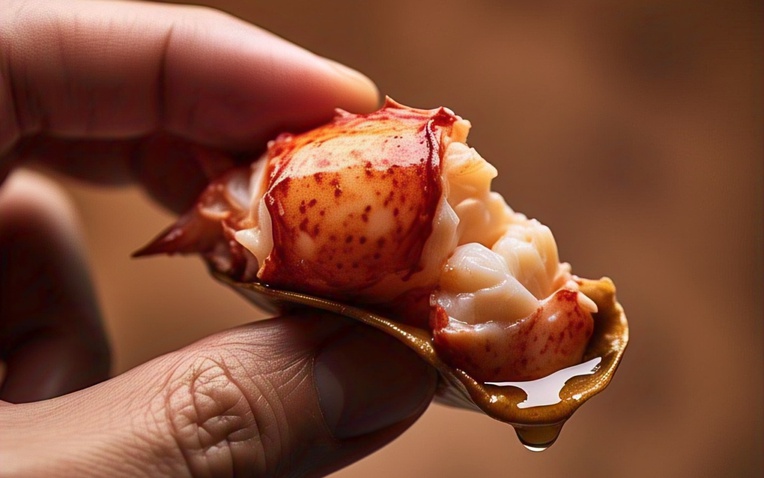
Illustration by AI
According to data from the Vietnam Association of Seafood Exporters and Producers (VASEP), Vietnam’s seafood exports in the first 10 months of 2025 marked a significant milestone, reaching over $9.5 billion, a 15% increase compared to the same period last year.
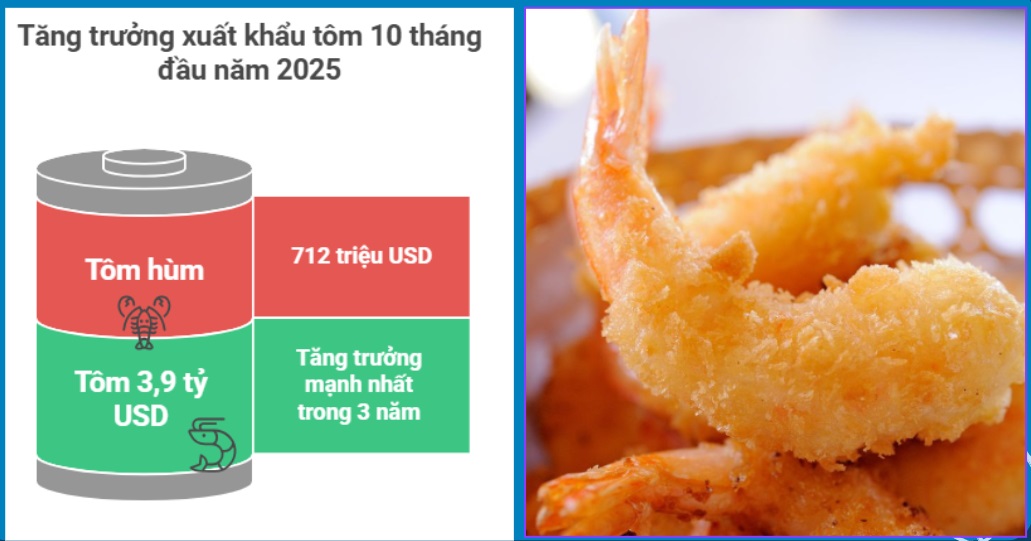
Among the exported products, shrimp continues to lead the way, achieving over $3.9 billion in the first 10 months of 2025. While whiteleg shrimp and giant tiger prawns maintained steady growth, the spotlight this year is on lobsters. Lobsters experienced an unprecedented surge, reaching a record-breaking $712 million, a staggering 134% increase year-over-year. This boom is driven by the high demand from China and Hong Kong for live and premium lobsters, particularly in the HORECA (Hotel, Restaurant, and Catering) sector.
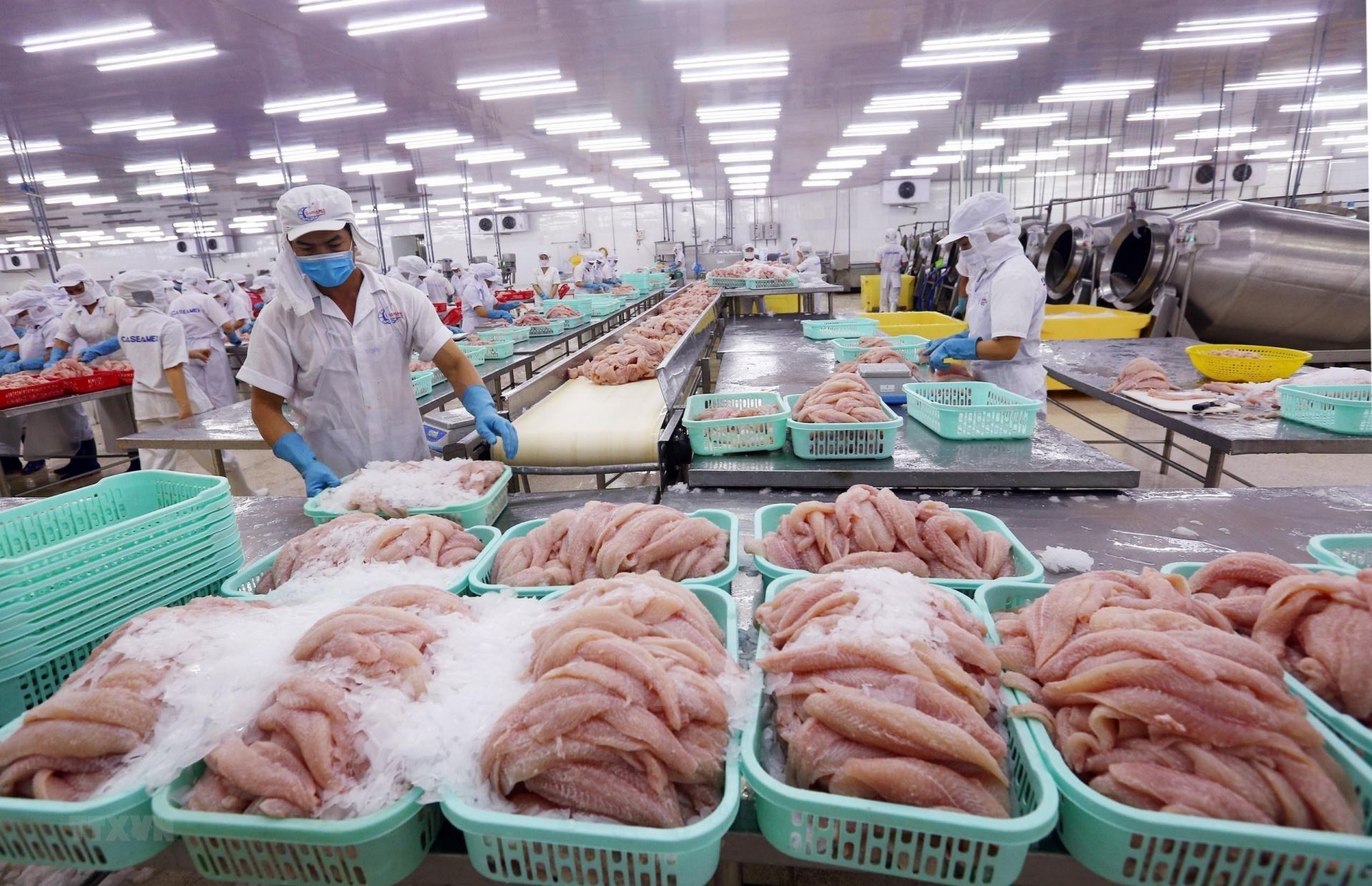
Pangasius is the second key product in the seafood industry, achieving an export value of approximately $1.8 billion in the first 10 months. Tilapia emerged as a new highlight with an impressive 220% growth, reaching $62 million, and is being positioned as a potential strategic product for Vietnam, driven by increasing demand in the U.S. and several European countries.
Tuna faced continued pressure, with exports in the first 10 months stabilizing at around $791 million, nearly 4% lower than the same period last year.
Squid and octopus exports showed a significant recovery, surpassing $627 million in the first 10 months, thanks to improved demand in Japan, South Korea, and the U.S., particularly for frozen products used in processing.
Fish cakes and surimi also gained attention, reaching $291 million in the first 10 months—a 24% increase year-over-year, making it one of the fastest-growing sectors in the industry.
With this growth momentum, Vietnam’s seafood industry aims to achieve an export target of $11 billion in 2025, marking the highest level in the past three years.
In terms of markets, China and Hong Kong remain Vietnam’s largest markets, with export turnover exceeding $2 billion in the first 10 months, up more than 32%, particularly strong in lobsters, marine fish, and live crabs. The year-end demand for fresh seafood is opening up significant growth opportunities for Vietnamese businesses.
Exports to the U.S. in the first 10 months increased year-over-year, reaching approximately $1.66 billion.
Exports to Japan continued to recover steadily, with a 10-month turnover of nearly $1.45 billion, driven by strong consumption of shrimp, squid, marine fish, and sterilized crabs.
The EU also showed strong growth, reaching $985 million in the first 10 months, benefiting from the bloc’s relaxation of certain technical barriers for Vietnamese farmed seafood. Meanwhile, exports to South Korea maintained double-digit growth, reaching $725 million, thanks to high demand for squid, octopus, and surimi.
CPTPP markets—particularly Canada, Australia, and Japan—continue to be the fastest-growing regions, highlighting Vietnam’s significant advantage in leveraging tariff preferences.
VASEP predicts that 2026 will present numerous challenges and increasing competitive pressure from markets like India, Ecuador, and Indonesia. Therefore, Vietnamese businesses must proactively restructure their markets, develop value-added products, invest in processing technology, and enhance sustainability standards to maintain long-term growth.
Japanese Consumers Tighten Belts, Yet Vietnamese Products Continue to Sell Out in the World’s Most Demanding Market

This is a positive signal for Vietnam’s economy in this sector.
Vietnam’s 6 Hidden Gems Generate $468 Billion, Propelling the Nation into the Global Top 15
The common thread among these “treasures” is their adherence to stringent standards in quality, environmental sustainability, and long-term durability.
China, EU Intensify Hunt for Vietnam’s Affordable, Nutritious, and Delicious Export Sensation: Global Favorite Generates Nearly $300 Million Since Year-Start

Vietnam’s exports of this product to the EU have skyrocketed, boasting a remarkable 73% growth rate.
Seafood Exports to the U.S. Face Turbulence Amid Retaliatory Tariffs

According to the Vietnam Association of Seafood Exporters and Producers (VASEP), seafood exports are experiencing significant growth, reflecting the industry’s relentless efforts amidst a volatile market. However, over the past three months, seafood exports to the U.S. have begun to decline due to the impact of retaliatory tariffs.
Europe’s Critical Shortage Unlocks Massive Opportunity for Vietnam: Earning Nearly $150 Million, While the World Competes, Only Vietnam Pioneers a Thriving Industry

Since the beginning of the year, Vietnam has earned nearly $150 million from exporting this product to the EU.