Tackling the Most Complex Urban Challenges
On the morning of December 8th, delegates discussed the draft amendment to Resolution 98/2023 of the National Assembly on piloting specific mechanisms and policies for Ho Chi Minh City (HCMC).
Expressing her views, Delegate Trinh Thi Tu Anh (Lam Dong) focused on the mechanism for establishing a Free Trade Zone in HCMC. According to her, the Free Trade Zone represents a “test of institutional thinking” as the nation seeks new growth drivers.
Regarding management philosophy, the essence of a Free Trade Zone is to create a “new institutional rhythm.” Delegate Trinh Thi Tu Anh cited examples from Shanghai and Singapore, highlighting the responsiveness of administrative systems to global market dynamics.
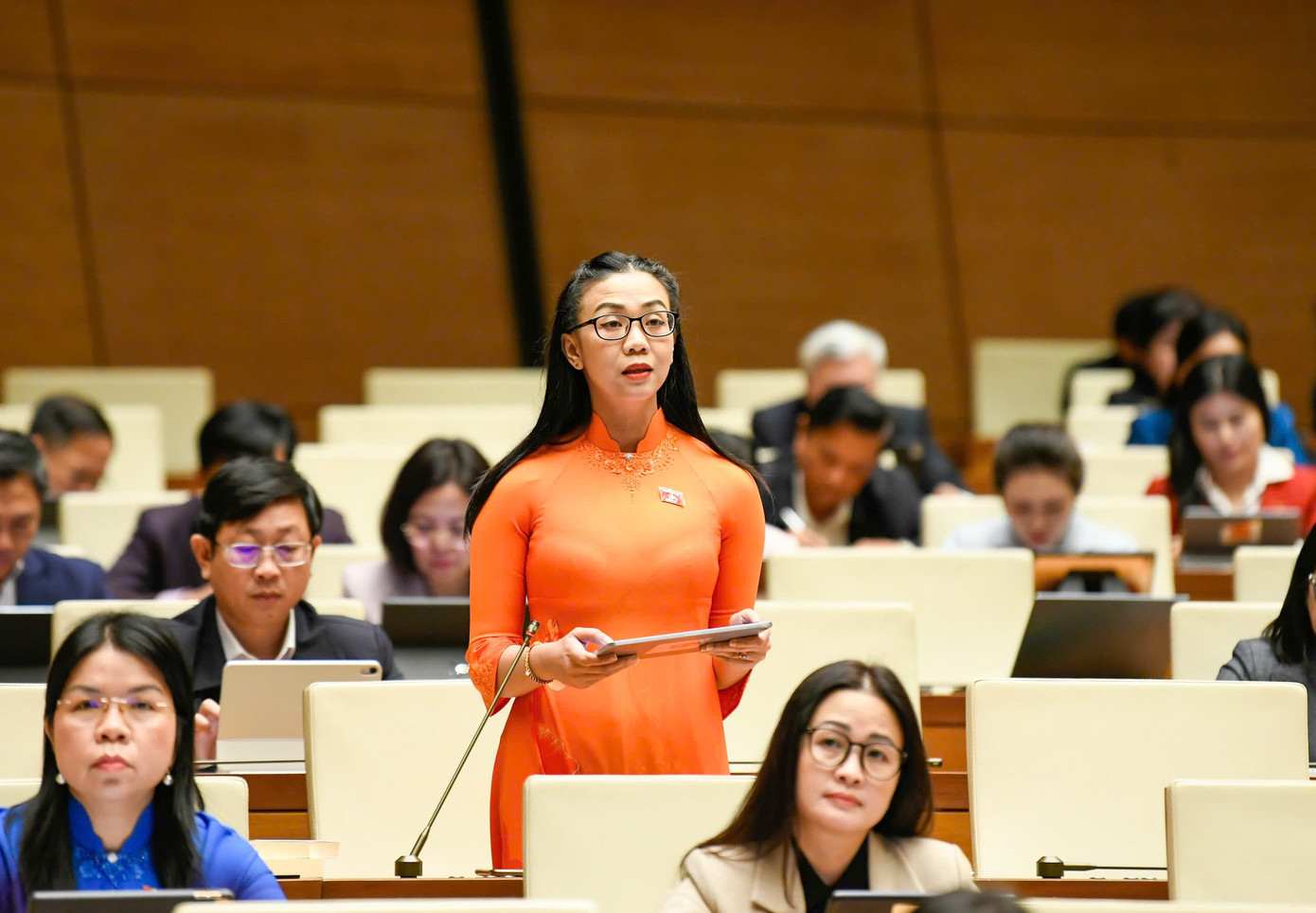
Delegate Trinh Thi Tu Anh. Photo: Nhu Y
“Local autonomy must be designed to ensure decisions keep pace with the rapid changes in trade, finance, and logistics—sectors that fluctuate daily, even hourly,” emphasized Delegate Trinh Thi Tu Anh. She believes granting authority to the City People’s Committee is a correct and appropriate direction.
On oversight methods, the state should shift from ex-ante to ex-post checks, leveraging technology and transparency principles. Regarding implementation effectiveness, the delegate stressed that incentives alone do not guarantee success; institutional frameworks and execution capabilities are the foundation.
She also emphasized that the Free Trade Zone should be viewed as an “institutional sandbox.” International experience shows successful zones often set new management standards before disseminating them system-wide.
Based on these analyses, the Lam Dong delegation proposed ensuring the City People’s Committee has genuine autonomy in decision-making and model organization, aligning with modern trade’s speed and flexibility requirements.
Additionally, the state should “digitize” oversight by establishing a technology-driven monitoring system based on real-time data, ensuring transparency and preventing trade fraud or money laundering, while advancing risk management standards.
“Adopting this draft resolution not only empowers HCMC but also assigns it the responsibility to pilot the most modern governance models, solve the most complex urban challenges, and drive new national growth,” the delegate stated.
Special Mechanisms Must Be Truly Exceptional
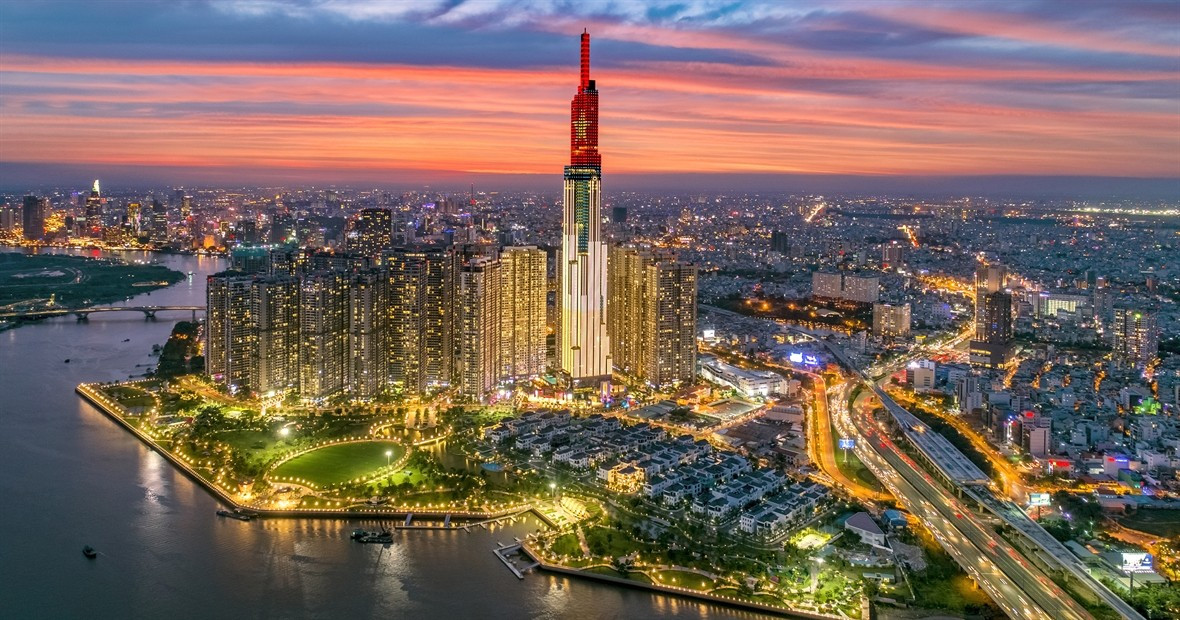
During the session, Delegate Hoang Van Cuong (Hanoi) noted that with the integration of Binh Duong and Vung Tau, HCMC’s stature and potential have grown significantly, unmatched by any other locality.
Given this expanded entity, HCMC should not operate under the same institutional framework as other localities. Instead, it requires a more distinct and open legal framework, providing HCMC the freedom to innovate and develop under controlled conditions.
According to the delegate, the Free Trade Zone should be seen as an ‘institutional sandbox’
He suggested the resolution should outline general principles and criteria instead of listing specific tasks and projects for special treatment, similar to the Capital’s resolution drafting approach.
“In cases requiring regulations differing from current laws, the People’s Council should issue resolutions and report to the Government for submission to the National Assembly Standing Committee for review and reporting to the National Assembly at the nearest session,” proposed Hoang Van Cuong.
Emphasizing that special mechanisms must be “truly exceptional,” Delegate Duong Khac Mai (Lam Dong) observed that while the draft resolution offers many openings for HCMC, it often defaults to “implementation according to specialized laws like investment laws or general legal provisions.”
He argued such provisions are “restrictive,” hindering breakthrough opportunities. Therefore, he recommended removing these “binding” contents from Resolution 98.
Government Proposes Facilitating Private Investment in North-South High-Speed Railway Project
The government emphasizes the necessity of continually reviewing and enhancing mechanisms and policies when opting for non-budgetary investment models for the North-South high-speed railway project.
Prime Minister: Crafting Superior, Competitive Policies to Pilot Free Trade Zones
The Prime Minister emphasized the need to clarify the concept of a free trade zone, highlighting its similarities and differences with an international trade center. He noted that while there are commonalities in the mechanisms and policies for both entities, there are also distinct differences. The Prime Minister urged the flexible and creative application of existing regulations to effectively address these nuances.
Revising Resolution 98: Government Proposes Establishment of Ho Chi Minh City Free Trade Zone
On the afternoon of December 3rd, as part of the 10th session agenda, the Government presented to the National Assembly a draft Resolution to amend and supplement certain provisions of Resolution No. 98/2023/QH15. This Resolution focuses on piloting specific mechanisms and policies for the development of Ho Chi Minh City. A key highlight of the draft is the addition of provisions for the establishment of the Ho Chi Minh City Free Trade Zone.
Hoang Van Cuong Delegate: Ho Chi Minh City Requires a Truly Superior Mechanism
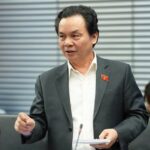
Delegate Hoàng Văn Cường from Hanoi asserts that it is high time to grant Ho Chi Minh City a truly innovative and superior institutional framework, rather than merely compiling minor, piecemeal incentives.
Proposing Amendments to Resolution 98 to the National Assembly: Incorporating the Establishment of the Ho Chi Minh City Free Trade Zone
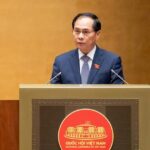
On the afternoon of December 3rd, as part of the 10th session agenda, the Government presented to the National Assembly a draft Resolution to amend and supplement certain provisions of Resolution No. 98/2023/QH15. This Resolution focuses on piloting specific mechanisms and policies for the development of Ho Chi Minh City. A key highlight of the draft is the addition of provisions for the establishment of the Ho Chi Minh City Free Trade Zone.