













On the afternoon of December 10th, the National Assembly delegates voted to pass the amended Civil Servant Law. The law will take effect from July 1, 2026.
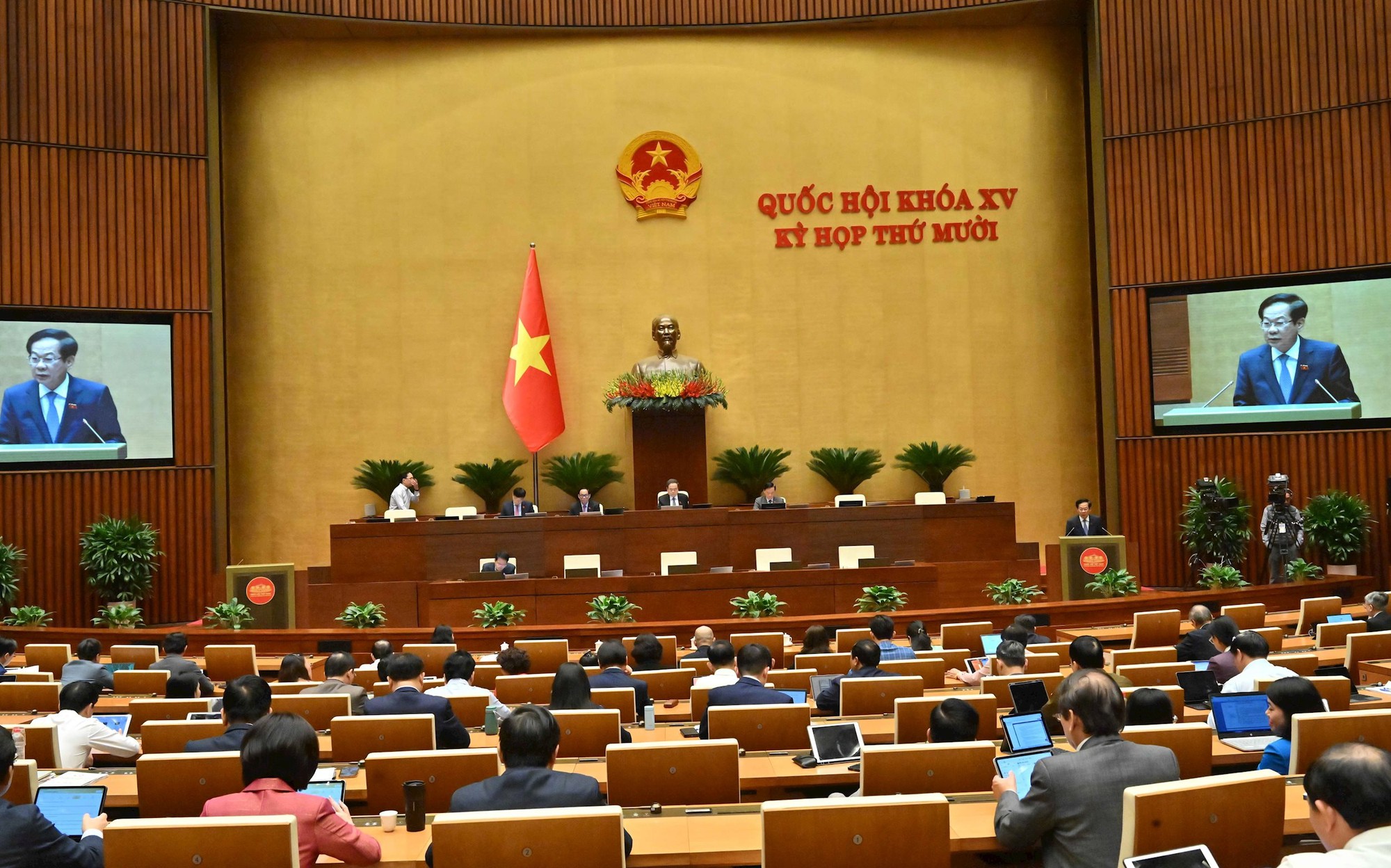
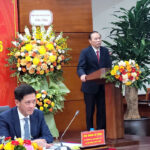
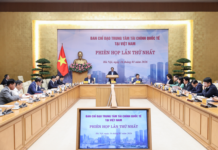
The National Assembly listens to Minister of Home Affairs Đỗ Thanh Bình’s report on explanations, absorption, and refinement of the draft amended Civil Servant Law.
The newly passed law, under Article 13, outlines the rights of civil servants regarding professional activities and business operations.
Accordingly, civil servants are permitted to enter into labor contracts or service agreements with other agencies, organizations, or units if not prohibited by sector-specific laws, ensuring no conflict of interest as per anti-corruption regulations, and without violating employment contracts or professional ethics.
In cases where no agreement exists within the employment contract, written consent from the head of the public service unit is required; for the head of a public service unit, written consent from the direct superior authority is necessary.
Civil servants may practice their profession individually if not prohibited by sector-specific laws, ensuring no conflict of interest as per anti-corruption regulations and without violating professional ethics.
The new law also allows civil servants to invest in, manage, or operate businesses, cooperatives, private hospitals, educational institutions, and scientific research organizations, except where otherwise stipulated by anti-corruption laws, enterprise laws, or sector-specific regulations.
Civil servants may exercise other rights in business activities if not contrary to professional activity laws or regulations set by competent authorities.
In the report explaining, absorbing, and refining the draft law, the Government emphasized that allowing civil servants to enter into labor or service contracts for professional activities aims to institutionalize the policy of interconnecting human resources between the public and private sectors, enabling civil servants to increase their legitimate income through professional activities.
Simultaneously, the law permits civil servants to enter into labor or service contracts if not prohibited by sector-specific laws. Incorporating feedback from delegates, the above content has been refined in detail to ensure the rights of the workforce, establish mechanisms to prevent conflicts of interest through employment contract agreements, and comply with anti-corruption laws and sector-specific regulations.
Additionally, it is clearly stipulated that civil servants must fulfill their duties at their primary unit before engaging in external professional activities; for managerial civil servants, approval from the managing authority of the public service unit is required.
Previously, during discussions on this matter, Delegate Hà Đức Minh (Lào Cai delegation) assessed the proposal as a step toward innovation, expanding professional rights, and encouraging proactiveness and creativity among public sector intellectuals. This regulation aligns with the demand for interconnecting public-private resources, effectively leveraging the capabilities of civil servants in science, technology, education, healthcare, and digital transformation.
However, Delegate Hà Đức Minh also noted that the draft law’s scope is too broad, potentially leading civil servants to engage in business activities, causing conflicts of interest, affecting professional ethics, and the quality of public service. Moreover, the mechanisms for supervision, inspection, and violation handling remain unclear, potentially leading to abuse of public positions for personal gain or misuse of public assets for private purposes.
Delegate Phạm Văn Hòa (Đồng Tháp delegation) expressed concern that if leaders of public service units both manage internally and have economic interests in external businesses, it could lead to bias or favoritism toward sectors or units with capital contributions.
According to Mr. Hòa, only regular civil servants and deputy managers should be allowed to enter into external work contracts or engage in economic activities. Heads of units should be strictly restricted due to their positions of managerial authority, which pose a higher risk of exploiting their roles for personal gain.
Long Thanh Airport Completes Runway, Prepares for Technical Flight on December 19th

The Long Thanh International Airport is racing to finalize its runway and taxiway construction, gearing up for its inaugural technical flight scheduled for December 19, 2025.
FPT Play Secures Exclusive Premier League Broadcasting Rights, Offers Special Packages Starting at Just 59,000 VND/Month

FPT Play has recently announced its exclusive ownership of the broadcasting rights for the English Premier League in Vietnam, starting from 2026. This groundbreaking development marks a new era, bringing the excitement of the Premier League directly to Vietnamese households.
Launching Vietnam’s First Semiconductor Chip Engineer Training Program: Laying the Foundation for the Nation’s Inaugural Chip Manufacturing Plant
The inaugural training program will bring together 20 engineers from the chip manufacturing division.
Sustained Economic Growth Amid Dual Challenges
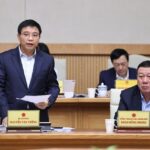
At the November 2025 regular government meeting held on the morning of December 6th, Minister of Finance Nguyễn Văn Thắng emphasized that amidst challenges and hardships, we must redouble our efforts, remain steadfast, and resolutely turn the tide. We are committed to effectively responding to the situation and providing timely support to the people in preventing, combating, and overcoming the consequences of natural disasters. As a result, despite facing a “double impact” from external adverse factors and natural calamities, the economy has continued to achieve remarkable, comprehensive results, earning global recognition and high praise.
National Assembly Enters Final Week of the 10th Session
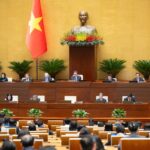
The week of December 8–11 marks the final sprint of the 10th Session of the 15th National Assembly, with plans to adopt 42 laws and 18 resolutions, alongside key investment policies. This substantial workload caps eight weeks of continuous effort, setting a milestone for the completion of the legislative agenda for this term.