






China’s Real Estate Crisis: Why Hasn’t the Market Bottomed Out After 5 Years?
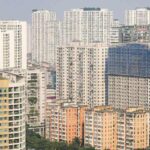
At the Vietnam Residential Real Estate Forum 2026 on December 6th, Mr. Vo Huynh Tuan Kiet, Residential Director at CBRE Vietnam, highlighted China’s rapid infrastructure development, often referred to as a miraculous growth phase. Most Chinese regions have accelerated infrastructure projects to boost GDP growth, leading to a significant oversupply of housing that far exceeds actual demand.
In contrast, CBRE experts observe a different trend in Vietnam. The country’s infrastructure development lags behind its urbanization rate, resulting in a housing supply that falls short of real demand.

Mr. Vo Huynh Tuan Kiet, Residential Director at CBRE Vietnam
|
Based on this analysis, Mr. Kiet emphasizes the contrasting scenarios between Vietnam and China. In Vietnam, price increases are primarily driven by supply shortages. The limited supply, concentrated in central areas, creates a competitive buying environment, inadvertently pushing prices higher.
While both markets have experienced price surges, Vietnam’s unique dynamics reduce the risk of a crisis similar to China’s.
However, Mr. Kiet cautions that Vietnam’s market is not without risks. The current high prices raise concerns about a potential asset bubble. If this bubble bursts, it could lead to credit defaults, reminiscent of the 2007-2011 period.
Shrinking Resale Market in the Luxury Segment?
CBRE experts suggest that in a supply-constrained market, developers and investors tend to maximize profits by raising prices. Despite high prices, projects still attract buyers, sparking fears of market saturation. Eventually, the luxury and high-end segments may face a shrinking resale market as prices peak, while lower-income buyers struggle to find affordable housing—a phenomenon known as localized saturation.
Mr. Kiet warns that this scenario could severely impact the luxury real estate market and is entirely plausible. Buyers may find no profit in purchasing, while sellers struggle to find buyers willing to pay their asking prices. Although the market hasn’t reached this point yet, continued price hikes by developers and investors could trigger this outcome.
Positively, the government is actively addressing housing prices. The Prime Minister has taken decisive steps to curb rising costs. While immediate price reductions are challenging, the government’s awareness has led to policy preparations aimed at price control. For instance, the real estate tax, initially planned for 2025, has been postponed. This fiscal tool could be deployed if market conditions spiral out of control.
Regarding potential risks in Vietnam’s real estate market, Mr. Kiet acknowledges their presence, especially in rapidly growing markets like Vietnam. However, with proactive risk management measures, Vietnam remains a market full of potential.
Mr. Nguyen Tri Hieu: Real Estate Bubble Could Materialize
– 10:42 08/12/2025
How Rising Mortgage Interest Rates Impact the Real Estate Market
Floating interest rates for home loans at banks have surged to 12-15% per year. Experts suggest that this rise in mortgage rates will curb real estate speculation, steering the market toward higher quality, stability, and long-term sustainability.
Craft Your Career with Cen Land: 500 Free Training Slots & Broker Certification Exam

The lack of professional certification is emerging as a critical bottleneck in the real estate market, with 89% of agents currently unqualified under legal standards. Meanwhile, the demand for standardized qualifications and participation in licensing exams continues to rise.
Savills Expert: Affordable Housing Segment Poised for Major Boom Starting 2027

“While supply is expected to improve by 2026, the mid-range segment will continue to dominate market share. Meanwhile, affordable housing options may experience a significant surge from 2027 onward. Key drivers such as credit policies, infrastructure development, and social housing initiatives will serve as critical catalysts for market growth.”
Hanoi’s Social Housing Prices Skyrocket Nearly 5x, Surpassing 70 Million VND/m² in Some Areas

After 5-10 years of occupancy, numerous social housing projects in Hanoi have seen their prices surge by 3-5 times, surpassing 70 million VND per square meter. Newly launched projects are also priced at around 30 million VND per square meter, making the dream of affordable housing increasingly out of reach for low-income earners.
Unusual Real Estate Market Trends: Expert Recommendations Revealed
According to experts, a notable trend in today’s real estate market is that the majority of transactions are driven by investors rather than end-users seeking primary residences.