
















The Risk of a “Bubble”
The real estate market, just beginning to recover, has witnessed several anomalies. Firstly, selling prices are higher than the regional average, despite comparable locations and amenities. Additionally, projects that are not yet eligible for sale or are still finalizing legal procedures are being marketed at high prices, which is highly suspicious.
Many projects are advertised with enticing promises such as guaranteed high rental yields, double returns, and prime locations, even when these claims are not accurate. Another red flag is when developers or brokers create a sense of urgency, claiming limited availability, impending price hikes, or pressuring buyers to make hasty deposits.
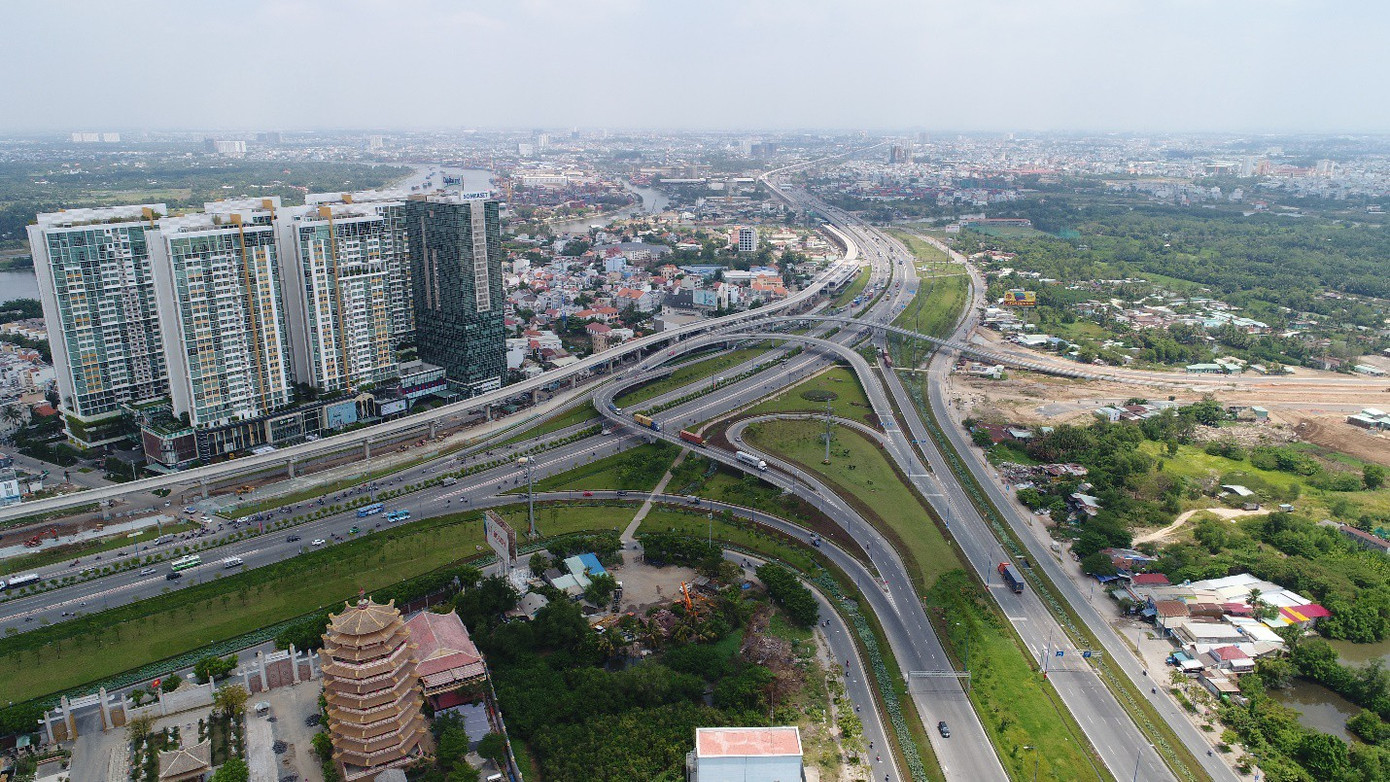
The risk of the real estate market entering a bubble as supply and inventory increase, while residents struggle to access housing.
The CEO of a real estate company advises: When buying a home, customers should thoroughly verify the project’s information and legal status, ensuring the developer has strong financial capabilities, is trustworthy, and has successfully completed multiple projects.
Next, compare and evaluate apartment prices by surveying the selling prices of similar units in the same area for a more objective view of market rates. Consider additional factors affecting property value, such as location, floor level, orientation, interior finishes, legal status, and the developer’s reputation.
Buyers should never rush into making a deposit under pressure. Always clarify additional fees, handover timelines, and contract terms to avoid falling for vague promises.
“Land prices are inflated by rumors of urban planning or upcoming infrastructure improvements—a common tactic used by brokers to attract buyers. Prices are driven to unreasonable levels, resulting in minimal actual transactions, leaving only speculators trading among themselves. The direct consequence is that local residents with genuine needs are priced out of the market, unable to access land in their own communities,” the CEO remarked.
Mr. Nguyễn Trí Hiếu, Director of the Global Financial and Real Estate Market Research and Development Institute, warns: The real estate market risks entering a bubble as supply and inventory increase, while residents struggle to access housing. Average home prices in Vietnam are 20–30 times the annual per capita income, compared to only 4–5 times in the United States.
Mr. Hiếu believes that strong credit growth is a key driver of rising real estate prices. In the first 10 months of 2025, credit growth reached approximately 15%, with an expected full-year growth of 18–20%. Real estate credit alone accounts for 24% of total outstanding loans, significantly higher than the 10–15% seen in the United States.
Vietnam’s credit-to-GDP ratio has risen to 137%, prompting warnings from international organizations. With slower deposit growth compared to lending, banks are forced to raise interest rates. While there are preferential rates, they typically last only 1–2 years before jumping to 12–14%, compared to around 7% in the United States. This makes it difficult for those in need to access real estate credit, increasing inventory and the potential for a real estate bubble.
“While banks in the United States hesitate to lend for land purchases, as land is not a revenue-generating asset, Vietnamese banks continue to lend to support land speculation. Therefore, banks also contribute to rising land prices. Monetary policy needs adjustment, particularly in land credit, with real estate credit ratios reduced below 20%. The State Bank should support banks in offering lower interest rates,” Mr. Hiếu stated.
Unusual
Fees
Speaking with Tiền Phong, Mr. Phan Đình Phúc, CEO of Seenee—a firm specializing in evaluating real estate projects and products—noted that the real estate market has recently seen the emergence of a fee called the service fee. This is a intermediary fee paid by either the buyer or seller when using a third-party service for real estate transactions, commonly known as a brokerage fee, consulting fee, or transaction service fee. This fee is not from the developer but from the broker or consulting firm.
“This is a very unusual fee. Essentially, buyers must pay an additional service fee ranging from 100 million to 1 billion VND per property. This fee is collected by designated personal accounts of real estate agencies or sales agents. In reality, this is a disguised form of price markup compared to the original price,” Mr. Phúc explained.
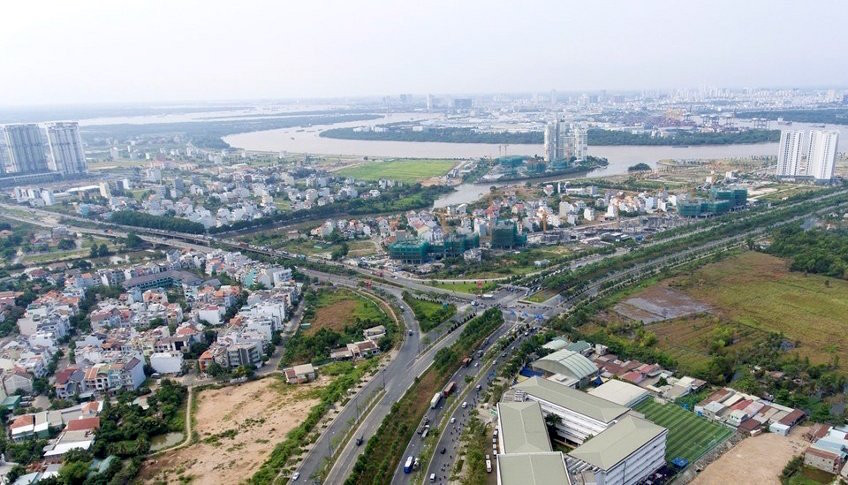
The consequence of service fees is that prices are driven up, establishing new real estate price benchmarks.
The CEO of Seenee confirmed that service fees (brokerage fees) have already been paid by developers, ranging from 3–5% per property for real estate brokerage services. According to the Real Estate Brokerage Law, sales agents cannot receive money from both parties, as they cannot simultaneously help sellers achieve the highest price and buyers secure the lowest price.
“This two-sided profit model arises due to a lack of legal framework, leading to conflicts of interest and eroding trust in the brokerage profession. The consequence of these service fees is that real estate prices are driven up, establishing new price benchmarks,” Mr. Phúc said.
Mr. Phúc cited an example of a 4-bedroom apartment in Nam Rạch Chiếc priced at 17 billion VND, with an additional service fee of 700 million VND per unit. Thus, the input price compared to the developer’s price is 700 million VND higher, setting a new price benchmark of 17.7 billion VND.
At a recent panel discussion, Mr. Nguyễn Lê Hải Đăng, Deputy Director of Strategy and External Relations at SmartLand, noted that there is a group of small-scale brokers focused solely on “closing deals quickly for commissions,” with little regard for processes, legalities, or professional standards.
“Many brokers do not understand professional standards, and prioritizing sales over sustainable career development risks damaging their long-term reputation and opportunities,” Mr. Đăng commented.
Similarly, Mr. Trần Minh Quang, Deputy Director of Southern Sales at EximrS, observed that some brokers view real estate merely as a means to make money rather than a serious career opportunity. Therefore, when the market heats up, this group tends to pursue transactions at all costs, disregarding standards.
Mr. Quang believes that only large enterprises, seasoned professionals, or established brands genuinely focus on adhering to industry standards, as they are under pressure to maintain their reputation. In contrast, small, fragmented groups often focus solely on “closing deals,” leading to violations and market distortions.
Is Real Estate Price Manipulation Grounded Enough for Criminal Law Frameworks?

Colonel Pham Hai Binh, a senior lecturer at the Economic Police Department of the People’s Police Academy, stated that while the Penal Code does not currently include a specific offense for inflating real estate prices, such behavior can be examined under the lens of fraud, market manipulation, or dissemination of false information to disrupt the real estate market.
What Does the Surge in Housing Prices and Credit Reveal?

Real estate experts warn of a potential housing bubble as property prices surge to three times the average income, while real estate loans now account for a staggering 24% of total outstanding debt. Growing concerns surround rising bank deposit interest rates, speculative capital inflows into land, and escalating inventory levels, all of which heighten the risk of market instability.
Dr. Nguyen Tri Hieu Warns of Bubble Signs in Vietnam’s Real Estate Market

The market is teetering on the brink of a bubble as supply threatens to surge, inventories swell, and housing becomes increasingly inaccessible for the general population.
Skyrocketing Condo Prices Fueled by Weak Supply

Property prices in Hanoi and Ho Chi Minh City continue to soar, with many projects reaching 150–180 million VND per square meter. Experts attribute this surge not to speculation, but to a scarcity of supply, rising land costs, legal complexities, and a prolonged supply-demand imbalance.
Will Hanoi’s Apartment Prices Cool Down by 2026 Amid Surging Supply?
After years of skyrocketing prices, apartment values in Hanoi have reached unprecedented highs. However, analysts predict this surge is nearing its peak, as a projected explosion in new supply from 2026 onward could usher in a new market correction cycle.