














On December 10th, at the “Rice Export Business” Conference, Mr. Trần Quốc Toản, Deputy Director of the Import-Export Department at the Ministry of Industry and Trade, revealed that Vietnam exported 7.5 million tons of rice in the first 11 months of the year, generating over $3.8 billion. This figure represents a 27% decline compared to last year’s record-breaking performance, with the average price also dropping by more than 10% to $511.9 per ton.
However, a closer look at market dynamics reveals a significant shift in the rice industry this year.
According to Mr. Toản, the Philippines remains the top market, importing over 3.3 million tons, accounting for more than 40% of Vietnam’s total rice exports. Yet, the revenue from this market decreased by 24.2%. After substantial imports last year, the Philippines has tightened its import restrictions for the past four months, causing a sudden slowdown in trade and altering the flow of Vietnamese rice.
Meanwhile, Indonesia imported nearly 988,600 tons, maintaining stability but failing to provide new momentum. Malaysia follows a similar pattern. This situation has compelled businesses to seek growth opportunities elsewhere.
In this context, several emerging markets have unexpectedly become crucial pillars. Ghana stands out as a prime example. In the first 11 months, this West African nation imported 873,000 tons of Vietnamese rice, capturing over 11.5% of the market share, a 52% increase compared to the same period last year.
Ghana’s surge is driven by its need to stabilize food prices and address domestic supply shortages, leading to a preference for Vietnam’s consistently high-quality rice. Senegal and Bangladesh have also shown remarkable growth, with imports increasing by 73 and 238 times, respectively. Although their import volumes are still small, they signify a clear expansion trend in niche markets, where new trade agreements signed in 2025 are proving effective.

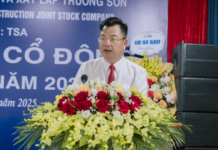
Mr. Trần Quốc Toản, Deputy Director of the Import-Export Department. Photo: BCT.
The most significant highlight is China, a market once considered unpredictable. After a prolonged period of sluggish trade, China has made a robust comeback, importing over 686,000 tons of Vietnamese rice, a 165% increase, and now holds nearly 9% of the market share. This is the most substantial growth across all markets this year and signals the beginning of a new purchasing cycle.
Mr. Toản noted that upon detecting positive signs in late 2024, the Ministry of Industry and Trade promptly dispatched a working group to Guangzhou, Guangdong, in June, followed by a high-level delegation to engage with key partners in August.
“These engagements not only restored customer confidence but also paved the way for new contracts and reconnected disrupted distribution chains. Without these efforts, achieving a 165% growth rate would have been extremely challenging,” Mr. Toản emphasized.
Forecasting rice export activities for 2026, the leadership of the Import-Export Department anticipates continued multifaceted impacts from unpredictable factors. These include a decline in both export volume and value due to policy changes in importing countries, such as India lifting its rice export ban, and intensified competition from major rice exporters like Thailand, India, and Pakistan.
Vietnam Rice Thrives Despite Philippines Halt: Asian Nation Skyrockets Imports by 25,000%
An Asian nation has skyrocketed its imports of Vietnamese rice by a staggering 25,000% to combat domestic shortages.
“Vietnamese Food Association Chairman Comments on ‘Unusual Move’ by World’s Top Rice Importer”

Vietnam’s top rice market, accounting for 40% of the country’s exports, remains temporarily closed with no confirmed reopening date.
Where is Vietnamese Rice Headed as Philippines and Indonesia Tighten Import Restrictions?
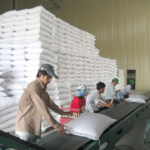
Vietnam’s rice industry faces a pivotal moment as two major markets simultaneously reduce imports, forcing a strategic shift. In response, businesses are actively exploring new frontiers, with a surprising surge in demand from multiple African nations emerging as a promising alternative.
Unique Nation Emerges as Vietnam’s Largest Rice Importer: Despite Abundant Local Supply, Citizens Favor Foreign Rice, Prices Surge 225% in One Year
Rice prices in a certain African nation have skyrocketed by a staggering 225%, fueling a growing demand for imports, with Vietnam emerging as a key supplier.
The World’s Largest Rice Importer to Halt Imports by April 2026: Where is Vietnamese Rice Pivoting Next?
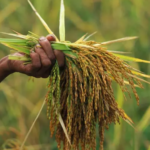
While the Philippine market is expected to halt rice imports until early 2026, Vietnamese rice continues to receive positive news from other markets.