





The Golden Opportunity to Develop Lifestyle Economics
This is the assertion of Mr. Le Tri Thong, Vice Chairman of the Board and CEO of Phu Nhuan Jewelry Joint Stock Company (PNJ), at the seminar “Lifestyle Economics – New Growth Momentum for Ho Chi Minh City” held on the afternoon of December 5th.
According to Mr. Thong, this “opportune moment” arises from consumers shifting their priorities from material goods to intangible values tied to experiences, emotions, personal stories, and individuality. They are not just spending money on tangible items but also on inspiration, connections, and self-expression.
“Today’s consumers aren’t just buying a product. They’re buying a lifestyle, a story to tell, and a way to position themselves in society,” he stated.
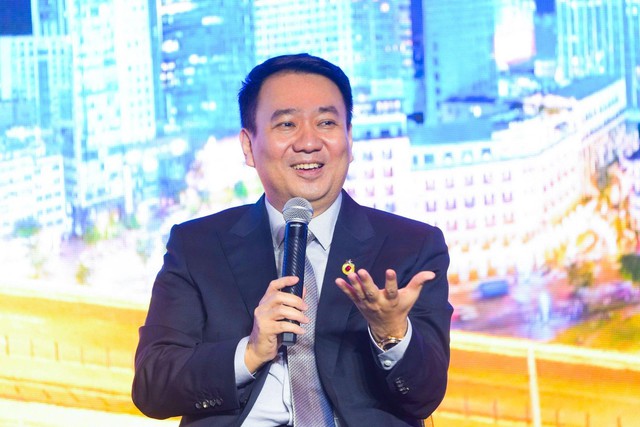
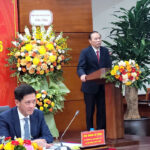
Mr. Le Tri Thong, Chairman of YBA, CEO of PNJ, speaking at the Lifestyle Economics event: New Growth Momentum for HCMC (Photo: Organizer)
Mr. Thong believes that Vietnam, particularly Ho Chi Minh City, is well-positioned to capitalize on the growth of Lifestyle Economics. Demographically, consumers are in a generational transition. While those born in the 1980s still carry the imprint of difficult times and prioritize savings, younger customers, especially those born in the 1990s and 2000s, are more open-minded and willing to spend on intangible values. A key characteristic of this group is their need for self-expression across various spaces, from the workplace to cafes, gyms, and social media.
“In the past, people would only dress up or beautify themselves for special occasions like weddings or holidays. Now, every day can be an opportunity for self-expression. This example shows that consumers increasingly demand products and services that reflect their individuality and lifestyle,” Mr. Thong shared.
On a macro level, Lifestyle Economics benefits from the country entering a new growth phase, leading to rising living standards and increased spending on life enjoyment activities. Additionally, thanks to the rapid development of the economy and the internet, access to global trends is no longer significantly delayed. This allows domestic consumers to easily embrace new trends, setting higher expectations for aesthetics and shopping experiences.
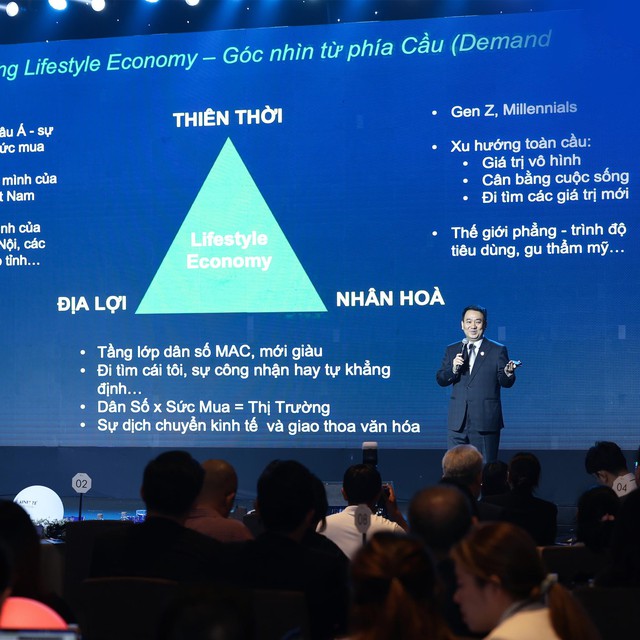
HCMC is converging many unique conditions related to lifestyle (Photo: Organizer)
On the supply side, a clear shift is also evident. Many brands are no longer just talking about functionality but are incorporating elements of art, fashion, music, and entertainment to create multi-layered experiences for customers. Collaborations across industries like fashion, beauty, design, and cuisine are opening up new business models.
According to Mr. Thong, HCMC is converging many unique conditions such as a large population, an open cultural environment, and high spending on lifestyle-related activities. The city is home to numerous businesses in industries directly related to Lifestyle Economics, such as tourism, sports, cuisine, fashion, jewelry, and art. Additionally, the city boasts a highly skilled workforce in design, marketing, performance, and event organization – crucial components for driving economic activities focused on experiences and lifestyle.
“Lifestyle Economics has always existed, both in the present and the past. The difference now compared to a few decades ago lies in the scale, diversity of choices, and consumers placing themselves at the center of every purchasing decision,” Mr. Thong observed.
PNJ’s Transformation into a Professional Lifestyle Retailer
After years in the retail sector, Mr. Thong has witnessed the continuous shift in consumer behavior and needs. About 20 years ago, customers chose a brand based on trust in quality. Back then, “quality” was defined purely in physical terms (i.e., the purity of gold). Now, customers need more to choose and connect with a brand, with emotion and shopping experience being the top factors.
“Customers today aren’t buying gold and silver for the value of the metal. They buy for the intangible value and emotional connection. Therefore, we don’t just win customers with the physical attributes of the product but with the intangible values in each design, story, and brand touchpoint,” Mr. Thong shared.
Over the years, PNJ has heavily invested in technology, branding, and human resources to transform from a traditional jewelry manufacturer and retailer into a professional Lifestyle retailer, aiming to reach regional stature by 2030.
The first thing PNJ did was change its customer approach. Previously, customers were highly homogeneous, sharing many similarities in needs, habits, and purchasing motivations. However, today’s customers are more fragmented. Therefore, instead of relying solely on demographic factors like age, gender, or income, the company focuses on analyzing consumer behavior and lifestyle.
Technology has been continuously invested in and upgraded to help PNJ excel in this area. Many decisions about product design, resource allocation, or in-store shopping experiences are based on real data.
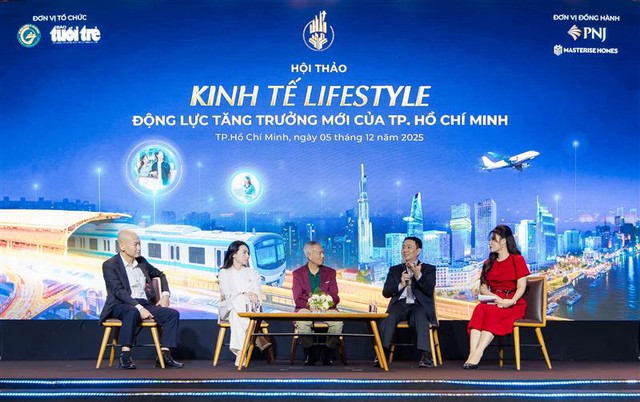
“Personalizing the customer experience” is a key focus in PNJ’s transformation strategy (Photo: Organizer)
“When developing our Lifestyle product portfolio, we realized that the most important capability is to ‘immerse ourselves’ and interact closely with customers to understand their needs and shifts in consumption behavior. Understanding what customers truly need helps us segment more finely, develop product strategies, and offer unique value propositions for them,” Mr. Thong shared.
“Personalizing the customer experience” is a key focus in PNJ’s transformation strategy. The company continuously expands its product categories, launching collections with increasingly high creativity to cater to diverse customer segments. Each product is tied to a story and message to create closeness and define a unique identity for each customer group.
Marketing strategies have also been creatively redesigned, connecting with cultural elements to resonate emotionally with customers. PNJ frequently organizes nationwide sales campaigns, seamlessly blending shopping, entertainment, and local cultural experiences into a series of mobile events. The company also leverages digital platforms and social media to spread information, attracting both online and offline interactions without significant promotional costs.
According to Mr. Thong, a major challenge in this transformation is human resources. The company must seek individuals with deep expertise in various fields and connect them to create new capabilities. Combining creativity, technology, communication, and operations requires long-term investment and patience.
However, thanks to its persistent pursuit of becoming a professional Lifestyle retailer, PNJ’s business results have improved significantly, despite unpredictable fluctuations in the retail market and the jewelry sector. In the first nine months of this year, the company’s after-tax profit exceeded 1,610 billion VND, up nearly 17% year-on-year. Improved business performance and brand strength have attracted attention from domestic and international investors.
Convenience as a Catalyst in the Era of Sustainable Consumption
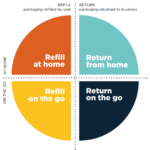
As circular economy policies and models gain traction, one often overlooked yet pivotal factor in driving consumer behavior change is convenience.
Café Amazon Shutters All Stores: Expert Nguyen Thai Binh Highlights Vietnam’s Unique “4F” Market Dynamics Foreign Chains Must Grasp
Renowned F&B expert Nguyen Thai Binh has shed light on the underlying reasons behind the struggles faced by foreign food and beverage chains, while also forecasting which segments stand to benefit from the void left by Amazon’s departure.
Vietnam Surpasses Singapore, Philippines to Rank 2nd in Southeast Asia for Electric Vehicle Popularity
Vietnam has emerged as the second most enthusiastic market for electric vehicles in Southeast Asia, trailing only behind Thailand.
Trade Your 15-Year-Old Gas Scooter for a New Electric Bike for Just $450 Extra
VinFast, a leading electric motorcycle brand, consistently hosts events encouraging the transition from gasoline to electric bikes. Countless participants bring their old motorcycles and leave with brand-new electric models, embracing a greener future.
PwC Survey Reveals: Half of Vietnamese Identify Economic Uncertainty as Top Threat in the Next 12 Months
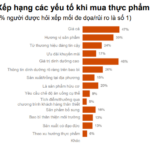
In an era of economic uncertainty, Vietnamese consumers are increasingly mindful of their spending, prioritizing both the origin and nutritional value of their purchases.