The United States has just witnessed a groundbreaking technological advancement poised to redefine the future of electric transportation. For the first time, a highway in Indiana has successfully transmitted wireless power to a heavy-duty electric truck traveling at high speeds, enabling continuous operation without the need for charging stops.
Conducted in West Lafayette, Indiana, the trial involved a modified Class 8 electric truck. Traveling at 65 mph (approximately 105 km/h), the vehicle received nearly 190 kilowatts of power—enough to supply electricity to roughly 100 American households simultaneously. This marks the largest power transfer ever achieved for a commercial vehicle on a highway.
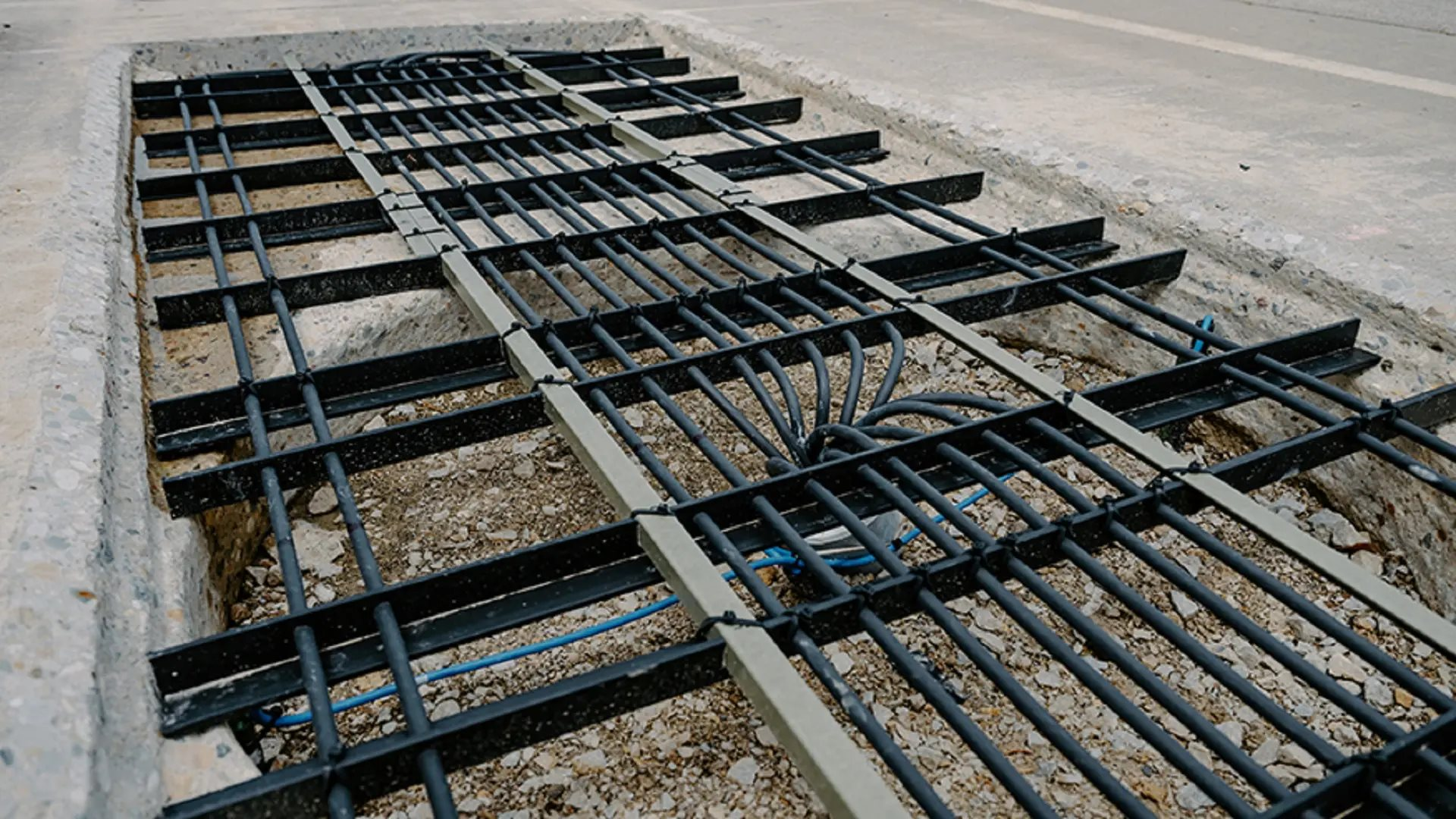
The innovative charging system is embedded beneath sections of Interstate 52 and Interstate 231. Engineers from Purdue University explain that the system consists of arrays of inductive coils buried under the concrete. As the truck passes over, magnetic fields from the coils transmit energy in real-time to a receiver mounted on the vehicle’s undercarriage, effectively transforming the road into a continuous charging station without requiring any stops.
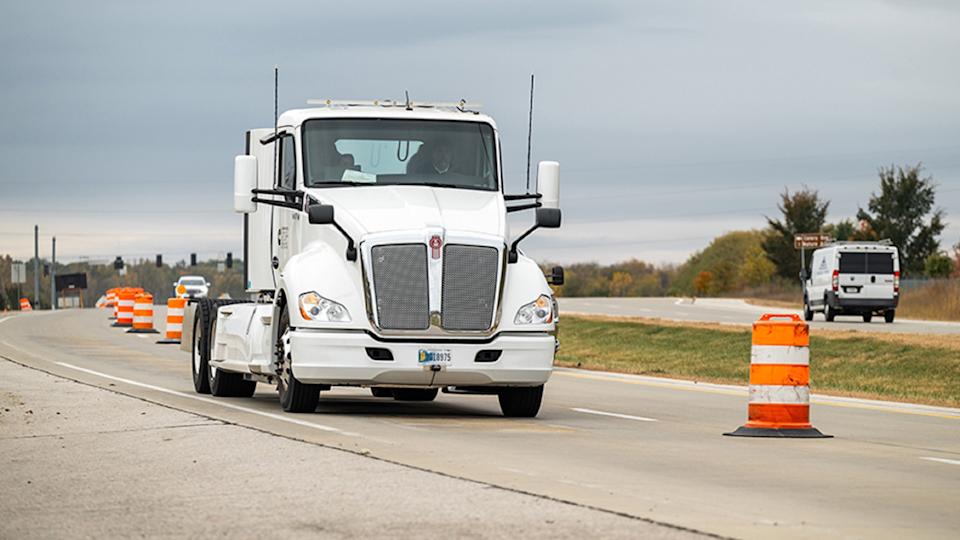


Unlike previous experiments limited to low speeds and modest power outputs, this demonstration proves that wireless charging technology can meet the immense energy demands of heavy-duty trucks. This is particularly critical as the transportation industry grapples with challenges such as lengthy charging stops, heavy battery weights, and limited operational ranges.
According to the research team, widespread adoption of this technology could enable commercial trucks to operate with significantly smaller batteries while maintaining continuous service. This would reduce operational costs, increase cargo capacity, and optimize vehicle utilization. Notably, the infrastructure could also support passenger vehicles without design modifications.
The project is part of the ASPIRE initiative funded by the U.S. National Science Foundation, aimed at developing next-generation electrified transportation infrastructure. A key factor in its success is the integration of the coils within concrete—the most common highway material in the U.S.—shielding components from heavy loads, temperature fluctuations, and harsh weather conditions.
Researchers believe that if scaled to major highways, the system could eliminate range anxiety—the primary barrier to electric truck adoption. The vision of coast-to-coast electric trucking without charging stops is now closer than ever.
While commercialization will require further time and investment, the Indiana trial marks a pivotal milestone: wireless highway charging has transitioned from a lab concept to a real-world solution, with demonstrated scalability potential.
Source: Wonderful Engineering
VinFast Revises Key Spec for EC Van: Is This a Free Upgrade?

What has VinFast revolutionized in the EC Van?
The Race to Go Green: Logistics Enterprises Risk Global Relevance if They Don’t Act Fast.

The future is green, and the logistics industry must act now to avoid being left behind. A failure to implement eco-friendly solutions will result in businesses facing significant challenges and being outplayed by their global competitors.