








According to the agenda of the 10th session, the draft Law on Tax Administration (amended) is scheduled to be adopted by the 15th National Assembly on December 10-12.
Before being reviewed and approved by the National Assembly, the Ministry of Finance submitted the draft law to the Ministry of Justice for review after incorporating feedback, explanations, and revisions based on the Standing Committee of the National Assembly’s recommendations.
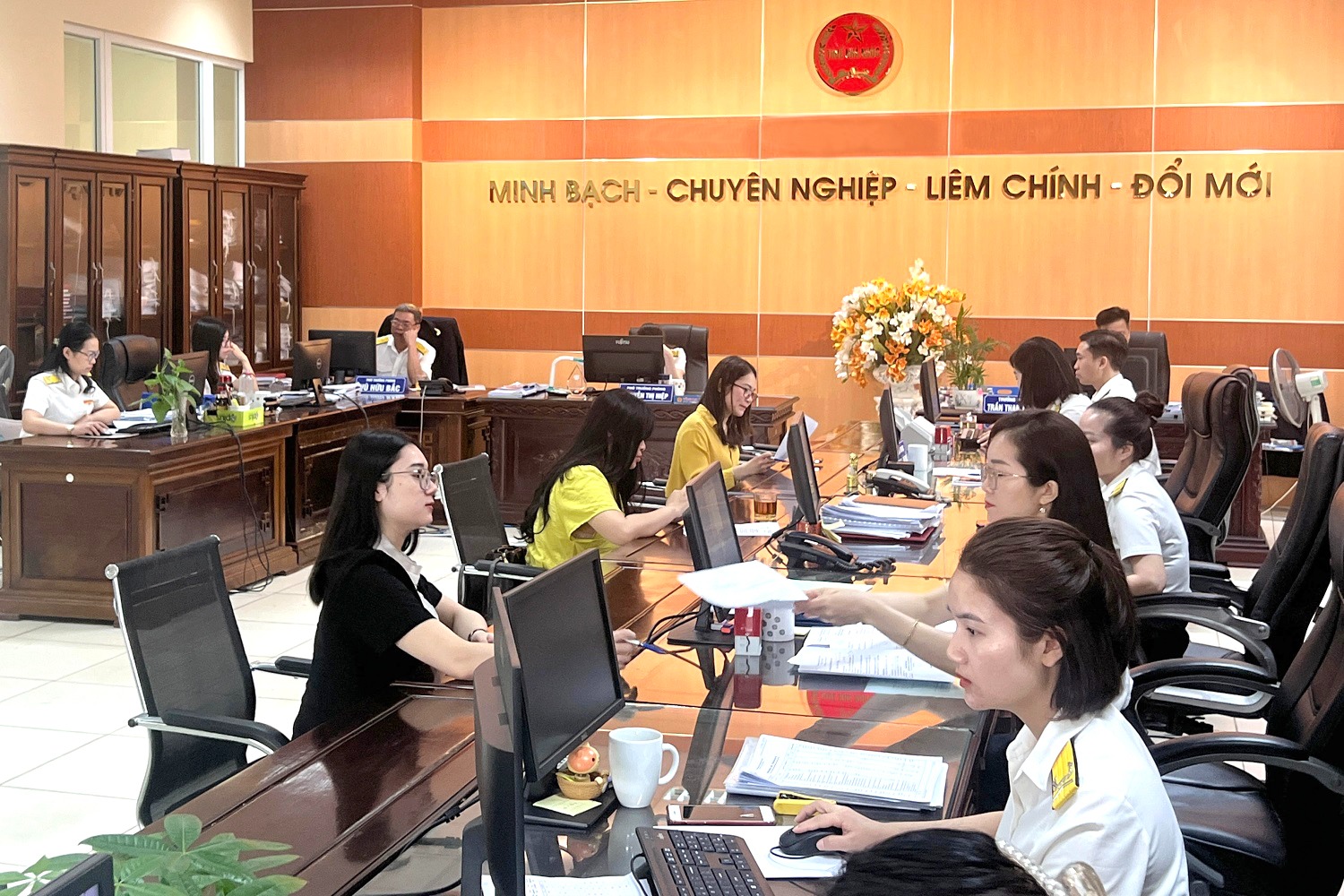
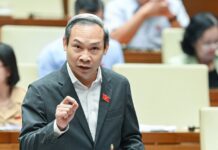
Proposed policy to increase income for tax officials (Illustrative image)
Notably, in the 9th draft, the drafting agency has introduced several new provisions regarding the development of the tax administration workforce compared to the 2019 Law on Tax Administration.
Specifically, regarding support for tax officials, the Ministry of Finance proposes two options: Option 1 (if approved by the Politburo before the law is passed): tax officials will receive a monthly allowance equal to 100% of their current salary coefficient (excluding allowances).
This monthly allowance will be paid alongside the regular salary and will not be used as a basis for social insurance contributions or benefits. Income from this allowance will be exempt from personal income tax and other financial obligations to the state.
Option 2 (if not yet approved by the Politburo before the law is passed): The government will regulate additional income for tax officials and employees in tax authorities after approval from competent authorities.
Under the draft law, tax officials will be subject to a title system, standards, salary, benefits, insignia, rank badges, uniforms, and identification badges to ensure tax administration, encourage professionalism, and enhance the effectiveness of public service delivery.
The state will ensure financial resources for the operations of the tax administration force and tax authorities, prioritizing annual state budget allocations for the development and operation of information technology systems, digital transformation in tax administration, electronic invoices, infrastructure, equipment, and specialized tasks to improve tax management efficiency.
Tax authorities are responsible for training and building a tax official workforce to perform tax administration functions as prescribed by law.
If approved by the National Assembly, the amended Law on Tax Administration will take effect from July 1, 2026.
Previously, the Ministry of Finance reported that from July 1, 2023, the average base salary for tax and customs officials is approximately 10 million VND per person per month. Therefore, the ministry proposes a special remuneration regime for tax and customs officials to ensure their job security.
In terms of practical grounds, the Ministry of Finance noted that previously, the tax and customs sectors were subject to a special financial mechanism under Resolution No. 1094/NQ-UBTVQH15 of the Standing Committee of the National Assembly. Accordingly, they were allowed to retain 1.8% of the state budget revenue estimate for the tax sector and 2.1% for the customs sector.
Additionally, with the restructuring and streamlining of local tax and customs authorities, along with job rotations, officials often have to work away from home, incurring additional costs for travel, living expenses, and accommodation at their workplaces.
The Ministry of Finance considers this a significant burden for officials, who are the core force in managing state budget revenue and play a crucial role in ensuring national financial resources. Therefore, a special remuneration regime for tax officials is essential to ensure job security, prevent corruption, and minimize negative practices.
Furthermore, there are already mechanisms for additional income in some localities and central agencies, such as the additional income mechanism for officials in Ho Chi Minh City under Resolution No. 98/2023/QH15, Hanoi under the Capital Law, and Hai Phong under Resolution No. 226/2025/QH15. These mechanisms allow for additional income of up to 0.8 times the basic salary fund for officials, civil servants, and employees.
Thus, the Ministry of Finance proposes amending and supplementing the legal basis for allocating funds to increase income for officials and employees in the draft amended Law on Tax Administration for tax and customs authorities.
According to the Ministry of Finance, the proposed content in the draft law has been compiled from the consensus of various ministries, agencies, and localities, including the Ministry of Public Security, the People’s Committees of Bac Ninh Province, Can Tho City, Khanh Hoa Province, Hanoi, and Ho Chi Minh City.
Public Investment Disbursement Reaches 60.6% of Plan, Surpassing 2024’s Year-to-Date Figure

By the end of November, public investment disbursement reached over 553 trillion VND, surpassing the same period last year. The Ministry of Finance has urged ministries, sectors, and localities to accelerate allocation and disbursement following the “6 clear principles” to ensure the annual target is met.
Prime Minister: Crafting Superior, Competitive Policies to Pilot Free Trade Zones
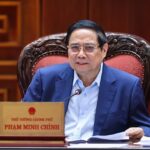
The Prime Minister emphasized the need to clarify the concept of a free trade zone, highlighting its similarities and differences with an international trade center. He noted that while there are commonalities in the mechanisms and policies for both entities, there are also distinct differences. The Prime Minister urged the flexible and creative application of existing regulations to effectively address these nuances.
Establishment of Free Trade Zones in Ho Chi Minh City, Da Nang, and Hai Phong by 2026
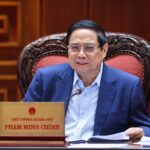
The Prime Minister has called for the development of exceptional, competitive policies to pilot a number of free trade zones.
Why Not Implement the New Family Deduction Threshold Immediately?

The upcoming personal income tax settlement for this year is scheduled for the end of Q1/2026, sparking anticipation for the immediate application of newly approved deduction rates. However, the Ministry of Finance highlights several inconsistencies arising from this proposed implementation.
90% Businesses Exempt from Tax Payments as Tax Threshold Raised to VND 500 Million

The latest draft of the Personal Income Tax Law revises the tax-exempt revenue threshold for individuals and households, increasing it from 200 million VND to 500 million VND annually.