


















Illustrative Image
According to Chinese Customs data, as of October 2025, China’s total shrimp import value reached approximately $4.3 billion, a 10% increase year-on-year, while import volume grew by only 1%. This indicates that Chinese consumers are willing to pay more for shrimp products, driving up average prices.
In the first ten months of this year, Ecuador, the largest supplier, saw a slight 1% decrease in shrimp exports to China by volume, but the value still rose by 9%. This suggests Ecuador is focusing on higher-value products, such as larger shrimp sizes, or maintaining better pricing despite stable volumes.
Other major competitors like India and Thailand also recorded significant growth in shrimp export values to China, at 16% and 14%, respectively. Notably, this growth was concentrated in the final months (September and October), as Chinese importers ramped up purchases for year-end festivals and the Lunar New Year.
This trend highlights intensifying competition in China’s shrimp supply market, not just on price but also on the ability to meet peak demand periods. According to Vietnam Customs, Vietnamese shrimp exports to China and Hong Kong (C&HK) continued to surge. As of November 15, 2025, the export value reached approximately $1.2 billion, a 60% increase compared to the same period in 2024; China alone saw a 66% rise. Vietnam has thus strengthened its position as a key shrimp supplier in this market.
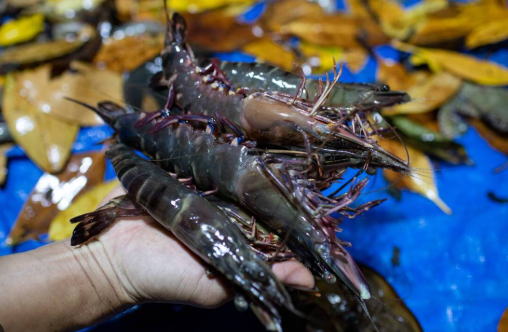
Alongside lobster—the highest-value product in Vietnam’s shrimp exports to China—Vietnamese black tiger shrimp maintain a clear advantage in C&HK, the top market for this premium segment. Black tiger shrimp cater to high-end channels such as restaurants, hotels, and catering services, as well as consumers demanding consistent quality and size.
The trend of rising import values, coupled with minimal volume growth, reflects Chinese consumers’ willingness to invest in higher-quality, convenience-focused products. This opens opportunities for premium black tiger shrimp, deeply processed shrimp, and branded Vietnamese shrimp products.
To capitalize on China’s competitive market, businesses should prioritize high-quality frozen black tiger shrimp, optimize production-procurement-inventory plans to ensure stable whiteleg shrimp supplies, and stay updated on new regulations and standards. Building robust quality management systems, farm and processing facility documentation will ensure smooth customs clearance, minimize cost risks, and prevent order delays.
Vietnam has become the world’s second-largest shrimp supplier, accounting for 13-14% of global shrimp export value.