











The $2 Billion Power Plant: A Decade of Operation and Its Impact
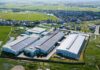
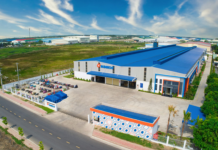
A decade ago, the Vung Ang 1 Thermal Power Plant emerged as Vietnam’s largest and most powerful thermal power facility at the time. Located in Ha Tinh province, the project boasted a total investment of nearly $2 billion.
This plant stands out as one of the few coal-fired thermal power projects with a commendable localization rate (approximately 30%) in design, manufacturing, and domestic equipment supply. Notably, one of its packages achieved a localization rate of up to 55%, entirely produced by domestic units.
The project was spearheaded by PetroVietnam as the investor and Lilama Corporation as the EPC contractor.
With a capacity of 1200 MW (2×600 MW), the Vung Ang 1 Thermal Power Plant commenced commercial operations for Unit 1 on December 31, 2014, and Unit 2 on May 12, 2015.
This coal-fired power project features large-capacity units, utilizing advanced direct coal combustion technology for high efficiency and environmental compliance. Annually, the plant supplies approximately 7.2 billion kWh to the grid, significantly contributing to the energy demands of the region and the national power system. Its annual revenue ranges between $700 million and $800 million.

According to Mr. Nguyen Mau Cam, Deputy Director of Ha Tinh Oil and Gas Power Company, the project is more than just a power generation facility; it plays a strategic role in ensuring energy security for the North Central region and the national grid.
“Every kWh produced by the plant is not just a number but a ‘building block’ for a robust national energy security foundation,” Mr. Cam emphasized.
Amid the global energy transition and tightening environmental standards, the Vung Ang 1 Thermal Power Plant prioritizes sustainable development as a core and inevitable strategy.
Technologically, the plant has invested in state-of-the-art environmental control and treatment systems, including electrostatic precipitators (ESP), flue-gas desulfurization (FGD), selective catalytic reduction (SCR), and advanced wastewater treatment. All emission parameters are continuously monitored 24/7 and directly reported to regulatory authorities, ensuring strict compliance with current regulations.
Additionally, technical management has been enhanced through specialized and systematic approaches. The plant continuously optimizes operations, improves coal combustion efficiency, and reduces fuel consumption. Maintenance and repair activities are scientifically organized, periodic, and in-depth, ensuring stable operation and high availability of the units.
Furthermore, the plant is exploring deeper emission reduction solutions, such as optimizing combustion processes, upgrading emission control systems, and considering long-term co-firing of biomass or green ammonia, aligning with the national energy transition roadmap.
Confronting a Series of Challenges
Currently, the most significant challenge is securing a consistent supply of domestic coal that meets design specifications. The increasing difficulty in sourcing suitable domestic coal has forced the plant to blend coal, including lower-quality types, impacting operational efficiency and equipment stability.
Simultaneously, stricter environmental standards require continuous technological upgrades and the exploration of cleaner, alternative fuels. These demands increase production costs amid growing economic efficiency pressures.
Operating in a competitive electricity market further necessitates cost optimization at every stage to maintain competitiveness. After nearly a decade of operation (since 2015), many equipment components require major repairs, overhauls, or replacements, adding significant pressure to production costs.
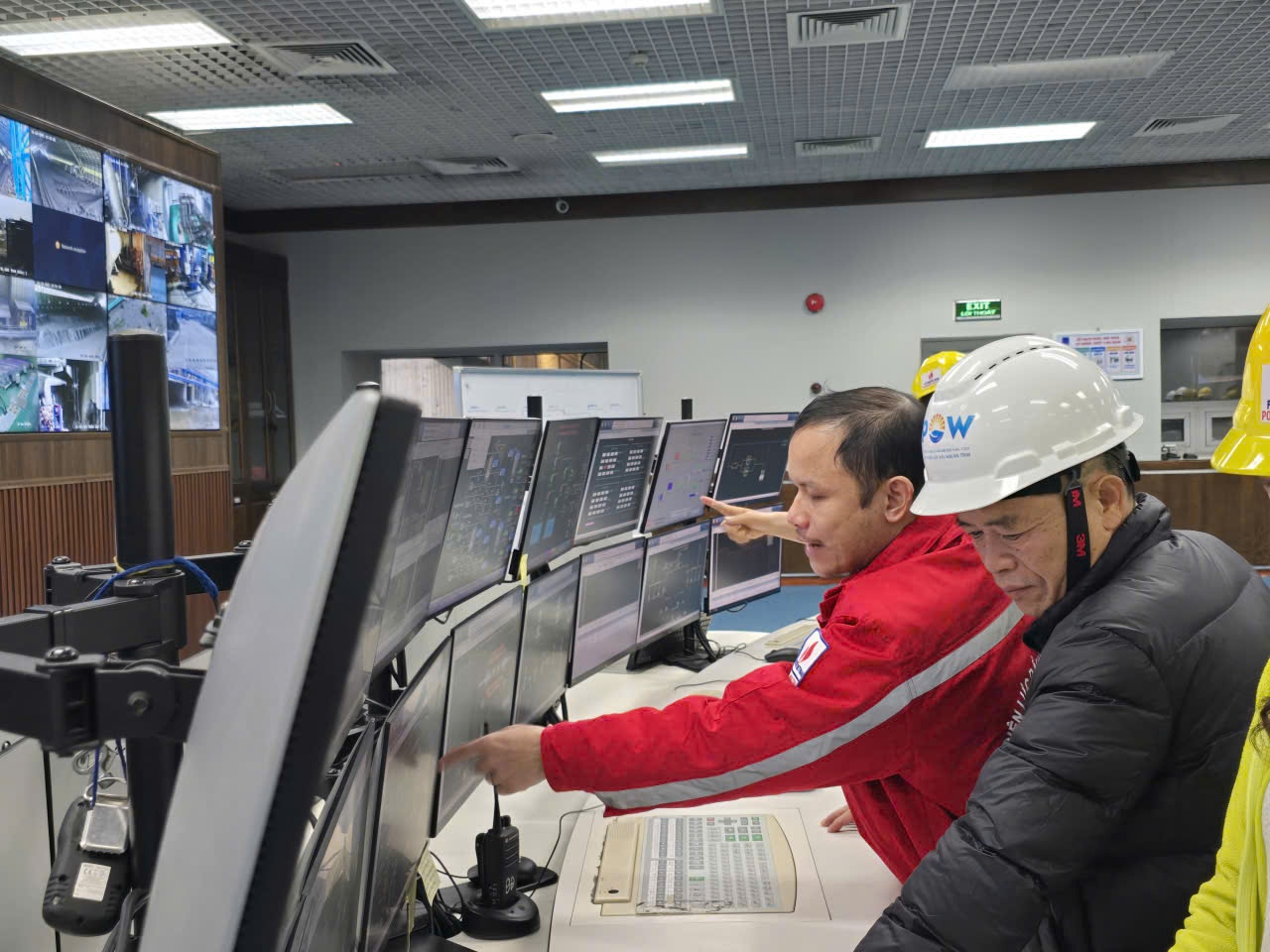
To address these challenges, the plant is implementing a comprehensive set of solutions. A key focus is diversifying coal supply by optimally blending domestic and imported coal.
The plant is also actively researching and testing co-firing of new fuels like biomass and ammonia, and gradually replacing diesel startup oil with LNG to reduce emissions and enhance long-term sustainability.
Significant investments are being made in workforce development and technology, enhancing the skills of the operation and maintenance teams, and applying scientific solutions to improve efficiency and reduce fuel consumption. Cost management, energy conservation, and technical innovation are being intensified to boost competitiveness.
The “Three Houses” Alliance: A New Catalyst for Innovation in the Digital Age
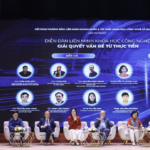
On the afternoon of December 5, 2025, in Hanoi, the Vietnam Association of Science and Technology Enterprises (VST) collaborated with the Department of Startup and Technology Enterprise under the Ministry of Science and Technology to host the New Era Alliance Conference of Entrepreneurs and Scientific Intellectuals.
OCB Solidifies Its Position as a Transparent and Sustainable Bank with a Series of Prestigious Awards
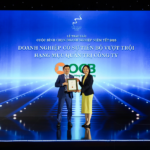
In a rapidly evolving market landscape, regulatory standards in the financial sector are becoming increasingly stringent. Amidst this, Orient Commercial Bank (OCB) has once again demonstrated its exceptional standing by securing prestigious accolades. Notably, OCB stands as the only bank to be honored with the “Outstanding Progress in Corporate Governance” award at VLCA 2025 and has also been recognized among the Top 10 Sustainable Enterprises in Vietnam (CSI 2025).
Hanoi Accelerates Solar Power Adoption to Secure Energy Security by 2045
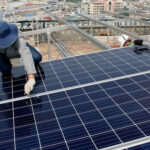
This marks a pivotal milestone in the capital city’s proactive shift towards energy autonomy and the robust development of renewable energy sources.
Unlocking Global Capital: Elevating Corporate Governance for International Investment Appeal
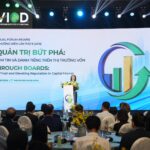
On December 5, 2025, the Vietnam Institute of Directors (VIOD) hosted its 8th Annual Forum (AF8) under the theme: “Breakthrough Board of Directors: Reaching Regional Heights, Building Trust and Reputation in the Capital Market.”
Experts Converge at World Tea Fest to Discuss Tea’s Role as a Bridge for Health, Culture, Dialogue, Education, and Community Prosperity
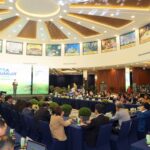
On the morning of December 6th, as part of the International Tea Festival 2025, the Tea Summit took place at Tea Resort Prenn in Da Lat, bringing together professors, artists, association presidents, and renowned domestic and international experts. The discussion sessions offered multifaceted perspectives, ranging from culture and economics to in-depth research, contributing to shaping the future development strategy of Vietnam’s tea industry.