Ho Chi Minh City, Vietnam’s economic powerhouse, leads the nation in fiscal growth. The city’s state budget revenue for the first 11 months reached nearly VND 710 trillion, surpassing projections by over 15% year-on-year. By year-end, this figure is expected to climb to approximately VND 750 trillion. Notably, land use fees are projected to surge by 269% compared to the previous year.
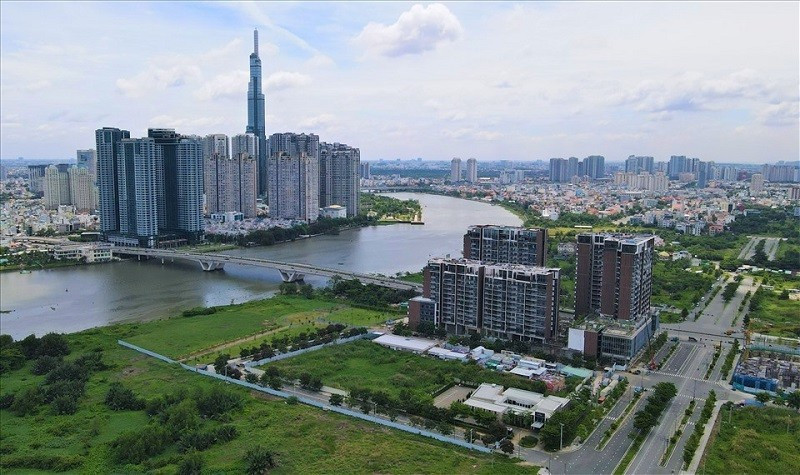
Ho Chi Minh City tops national budget revenue.
Over the same period, Hanoi recorded a state budget revenue of VND 625 trillion, exceeding its target by 21.6%. Land use fees alone contributed over VND 105 trillion, a 119.3% surplus and triple the previous year’s figure. The capital anticipates a full-year revenue of VND 640 trillion, marking an all-time high.
Hai Phong is on track to achieve a record-breaking VND 187.7 trillion, up 23.1% from 2024. Dong Nai joins the elite club with a VND 100 trillion milestone. Other provinces, including Hung Yen (VND 82 trillion) and Bac Ninh (VND 72.5 trillion), also posted impressive figures.
Nationally, four provinces are set to surpass the VND 100 trillion mark. Excluding Hanoi, the remaining three—Binh Duong, Ba Ria-Vung Tau (merged with Ho Chi Minh City), and Hai Duong (merged with Hai Phong)—have benefited from administrative reorganizations, expanding their economic scope through larger territories and populations.
Experts attribute the revenue surge to reform efforts, particularly post-merger administrative streamlining. Economist Ngo Tri Long emphasizes the need to diversify revenue streams and enhance inter-agency coordination. While many regions met targets early, he advocates reducing reliance on land and resources for long-term stability.
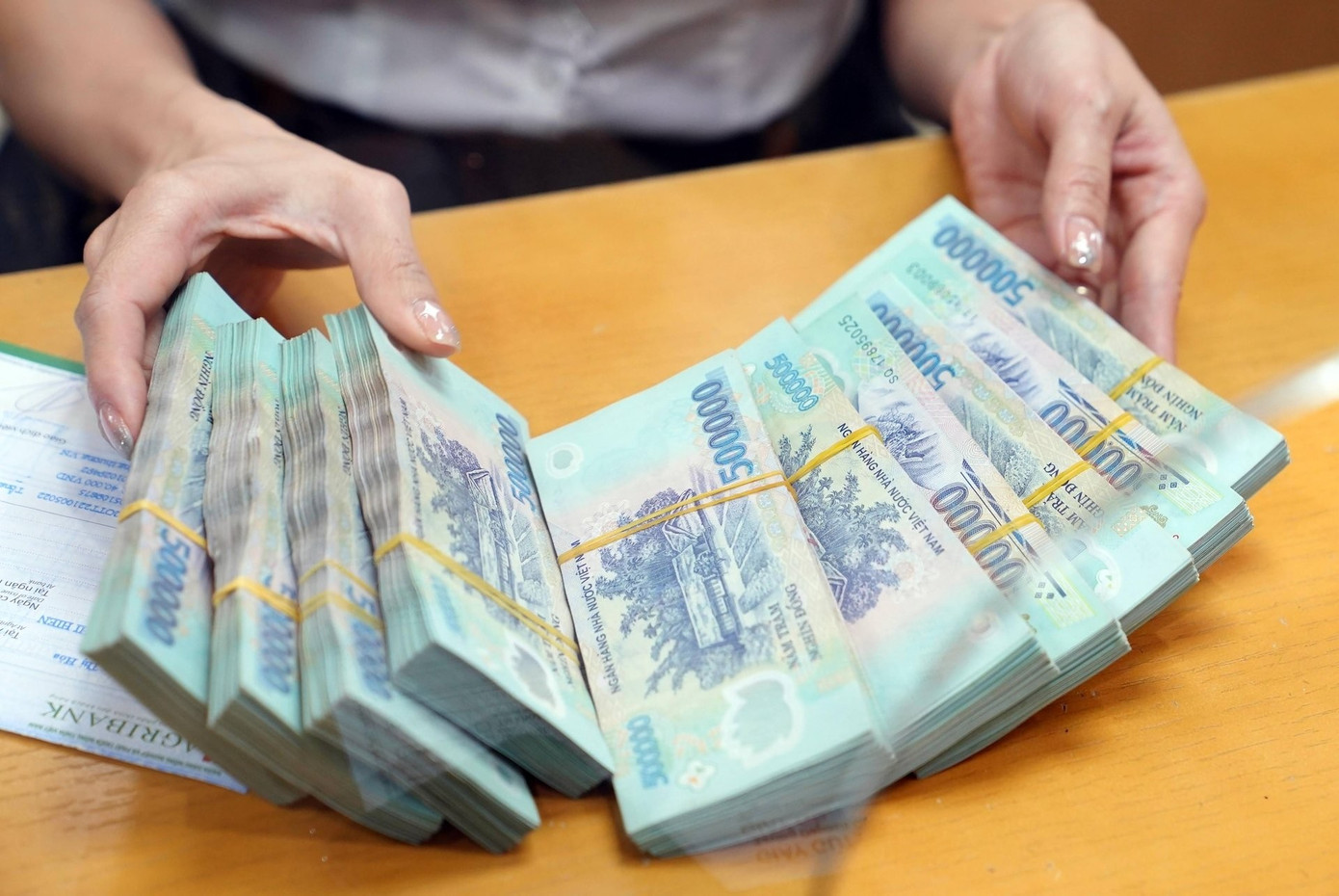
11-month state budget revenue exceeds target by 21.9%.
This year’s land-driven revenue spike underscores the need for sustainable fiscal planning. Long recommends restructuring to minimize dependence on volatile land income. Stronger tax authority and customs collaboration is also critical. Post-merger, provinces must tailor revenue strategies to local economic conditions.
“Alongside revenue growth, prudent spending and efficient budget utilization are vital for fiscal balance. Public expenditure must be transparent and cost-effective, while accelerated public investment disbursement will drive economic growth,” Long added.
Economist Nguyen Tri Hieu highlights the importance of resource allocation. While surging land revenues are positive, slower growth in other sectors raises questions about policy priorities. Is the current framework overly favorable toward land-based income?
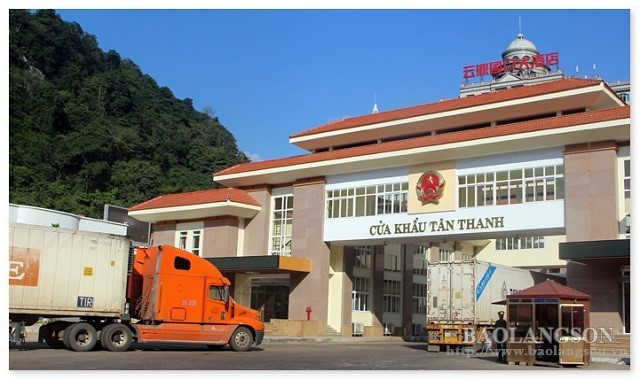
Border trade fuels Lang Son’s economy.
Ho Chi Minh City Construction Department: No Mandatory Plan to Switch Gasoline Vehicles to Electric Yet!

The Ho Chi Minh City Department of Construction has announced that the city is actively pursuing a green transformation roadmap. This initiative focuses on enhancing existing infrastructure and alleviating traffic congestion.
Proposed Construction of Two New Pedestrian Bridges on Ton Duc Thang Street, Ho Chi Minh City
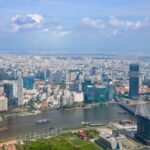
Two pedestrian bridges spanning Ton Duc Thang Street, along with the renovation of Ba Son’s B and C docks, have been proposed to enhance connectivity and support river tourism.
“Hotspots” in HCMC Apartments: Thuan An Surges 129%, Di An Jumps 103%
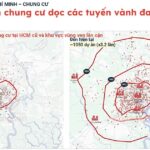
In the first 11 months of 2025, interest levels in Thuan An surged by 129%, Di An by 103%, and Thu Dau Mot by 65% compared to the same period last year, highlighting the growing appeal of these satellite cities adjacent to Ho Chi Minh City.
Revitalizing Ho Chi Minh City: What’s Next for the Vast Land After Relocating Inner-City Factories?
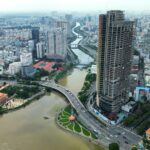
Ho Chi Minh City prioritizes the development of public and social welfare facilities in the inner city areas as it relocates industrial and manufacturing bases.
Ho Chi Minh City: Premium Property Supply Concentrates in the Hands of Industry Giants Masterise Homes, Gamuda Land, and Dat Xanh Group
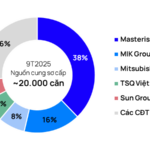
The Ho Chi Minh City market has witnessed a stark polarization in the high-end and luxury segments, with over 80% of new supply being spearheaded by Đất Xanh Group, Gamuda Land, and Masterise Homes.