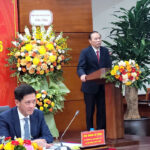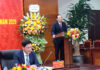
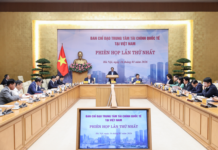








Vietnam and the Russian Federation have engaged in technical negotiations to finalize an intergovernmental agreement on the construction of the Ninh Thuận 1 Nuclear Power Plant. During a phone call on the afternoon of December 11th, Prime Minister Phạm Minh Chính directly addressed and resolved outstanding issues with Alexey Likhachev, Director General of the State Atomic Energy Corporation Rosatom (Rosatom).
For his part, Rosatom Director General Alexey Likhachev expressed gratitude to Vietnam for trusting and selecting Russia as a partner in developing the nuclear energy industry. As a leading nuclear energy corporation with a long-standing partnership with Vietnam, Rosatom is committed to advancing cooperation to realize high-level agreements between the two nations.
Mr. Alexey Likhachev also stated that Rosatom will transfer technology and localize nuclear products for Vietnam, supporting the country’s development in nuclear science and industry. This collaboration aims to utilize nuclear energy for peaceful purposes and socio-economic development, including the construction of a state-of-the-art nuclear power plant and other projects.
Benefits of Russian Nuclear Technology
Rosatom is dedicated to sharing its technology with nations worldwide, providing energy solutions and innovations to foster new economic models and enhance quality of life.
Rosatom’s unparalleled global market position is ensured by the complete self-sufficiency of Russia’s nuclear industry. “No other corporation possesses the full range of capabilities, from uranium exploration and mining to decommissioning and environmental projects,” stated Rosatom Director General Alexey Likhachev at an October 2025 meeting.
Russian nuclear engineers have shared nuclear technology since the industry’s inception, building research reactors and power plants globally. “Sharing technology with nations striving for a prosperous future is inherent to our mission,” emphasized Mr. Likhachev.
Currently, Rosatom is constructing 24 nuclear reactors, has secured a contract for a two-reactor nuclear power plant in Kazakhstan, and agreed to expand Uzbekistan’s nuclear project with two large and two small reactors instead of six small modular reactors. Belarus has expressed interest in building a third large reactor, a new nuclear power plant roadmap has been signed with Ethiopia, and negotiations with other countries are in advanced stages.
Continued Technological Innovation
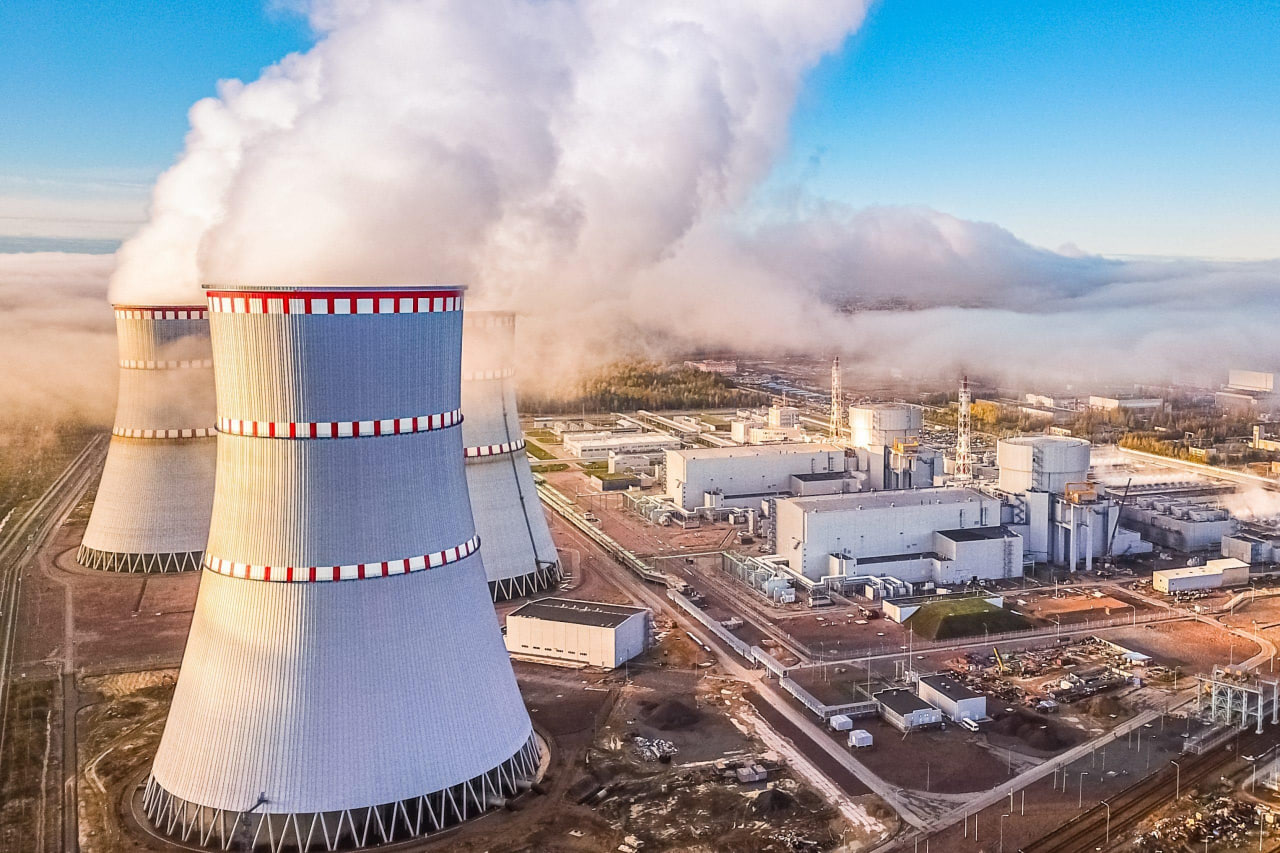
Rosatom is also a leader in small modular reactor (SMR) technology. Russian nuclear engineers were the first—and remain the only ones—to build a floating nuclear power plant, the Akademik Lomonosov.
Rosatom has proposed a concept for a Generation IV reactor system, promising significant safety and efficiency improvements. This system closes the nuclear fuel cycle by recycling spent fuel and reusing depleted uranium from enrichment, maximizing the use of natural uranium’s energy while reducing both new mining needs and radioactive waste volumes.
Since its inception, Russia’s nuclear industry has led in scientific and engineering innovation. Rosatom contributes to advancements in fusion and quantum technologies, supercomputing, artificial intelligence, biomanufacturing of tissues and organs, and Russia’s space programs. Russian nuclear experts are shaping the future of technology both domestically and globally.
Where to Buy E10 Gasoline Starting June 1, 2026?
E10 biofuel is rapidly expanding its reach, paving the way for nationwide availability and poised to replace mineral gasoline by June 1, 2026.
Mitsubishi Xpander Must Achieve the Unthinkable to Retain Vietnam’s MPV Crown by 2025 Against VinFast Limo Green

The sales gap between two popular MPV models has been rapidly shifting in recent months, making the 2025 competition increasingly unpredictable as it enters its final stages.
How is the Province, Hometown of Billionaire Pham Nhat Vuong, Progressing with Vingroup’s Upcoming Launch of 4 Projects Worth Over 127 Trillion VND?
In 2025, the province’s GRDP growth is projected to reach an impressive 8.78%, securing its position as the leader in the North Central Coast region.
Vietnam Embraces Nuclear Power with a Structured, Internationally Aligned Approach
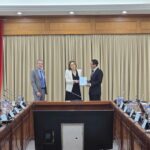
Vietnam’s nuclear power program is being approached in a systematic and internationally compliant manner, demonstrating a strong commitment to responsible and efficient implementation, according to a panel of experts.
Sprint to Disburse Public Investment Funds
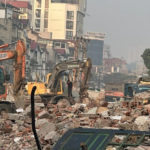
As 2025 draws to a close, numerous public investment projects are racing against time to meet their deadlines. Amidst economic pressures, over 1 million billion VND in public investment capital is seen as a crucial catalyst to drive growth and unlock private sector resources.