













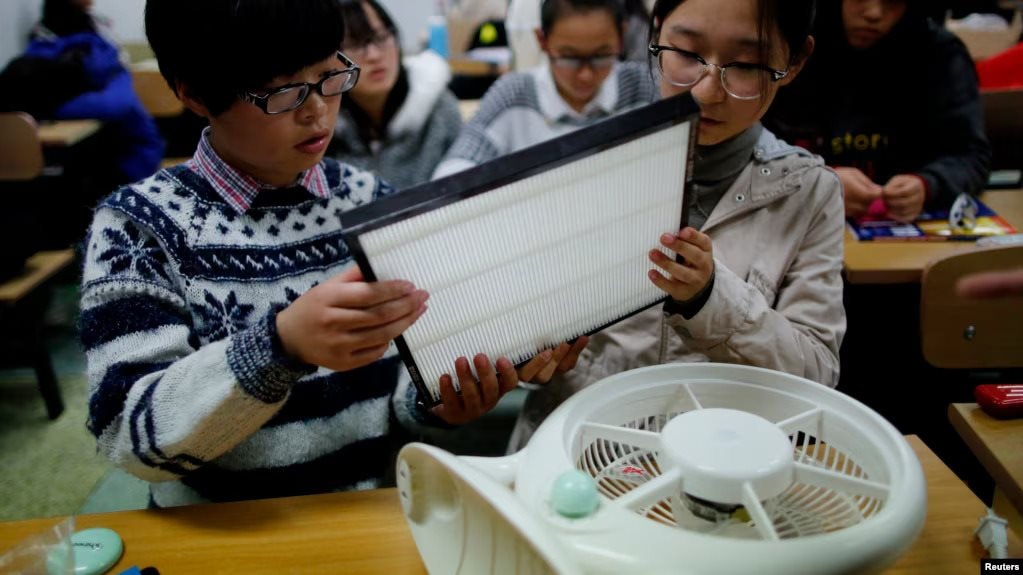
Over the past decade, in major cities worldwide from Beijing to New Delhi, the concept of “clean air” has shifted from a natural given to a luxury commodity. The presence of air purifiers in households is no longer just a consumer trend but reflects a growing anxiety about invisible pollutants lingering in our living spaces.
However, air purifiers are devices where the difference in effectiveness between turning them on or off is hard to perceive, aside from observing pollution indices on digital displays.
With everyone rushing to buy air purifiers, the question arises: Are these devices truly shields protecting our lungs, or are they just expensive scams preying on the anxieties of the urban middle class?
The Surprising Origins of Air Purifiers
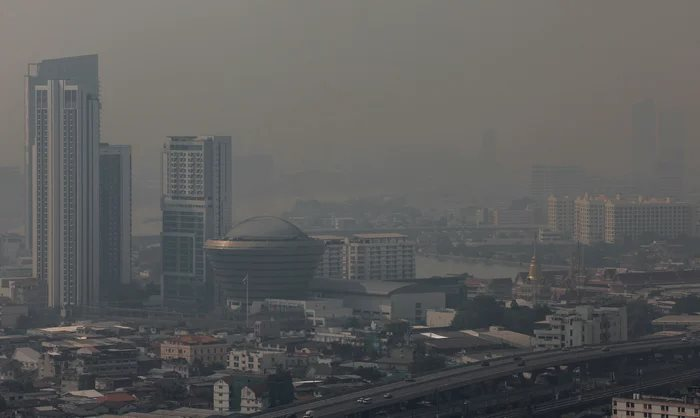
In Vietnam, recent fine dust haze blanketing cities has driven people to seek health protection solutions. However, the market is flooded with confusing information: from neck-worn purifiers costing a few hundred thousand dong to multi-million dong systems, all promising to eliminate 99.9% of bacteria and dust.
To understand the true effectiveness of air purifiers, we need to explore their origins. Few know that today’s bedroom air purifiers share DNA with the atomic bomb. Their core technology wasn’t born from civilian medical needs but from the dire necessities of nuclear warfare.
In the 1940s, under the top-secret Manhattan Project to develop the atomic bomb, U.S. scientists faced an unprecedented challenge: preventing microscopic radioactive particles from escaping into the environment and protecting researchers’ lungs.
The U.S. Chemical Corps and the National Defense Research Committee were tasked with this mission. They turned to Irving Langmuir, a Nobel laureate, to study aerosol particle behavior. Langmuir and his team discovered that 0.3-micron particles were the hardest to capture—a finding that shaped air filtration standards to this day.
Based on this principle, a special filter material made of asbestos and cellulose fibers was developed, dubbed the “absolute filter” before the HEPA (High-Efficiency Particulate Air) term was adopted in the 1950s.
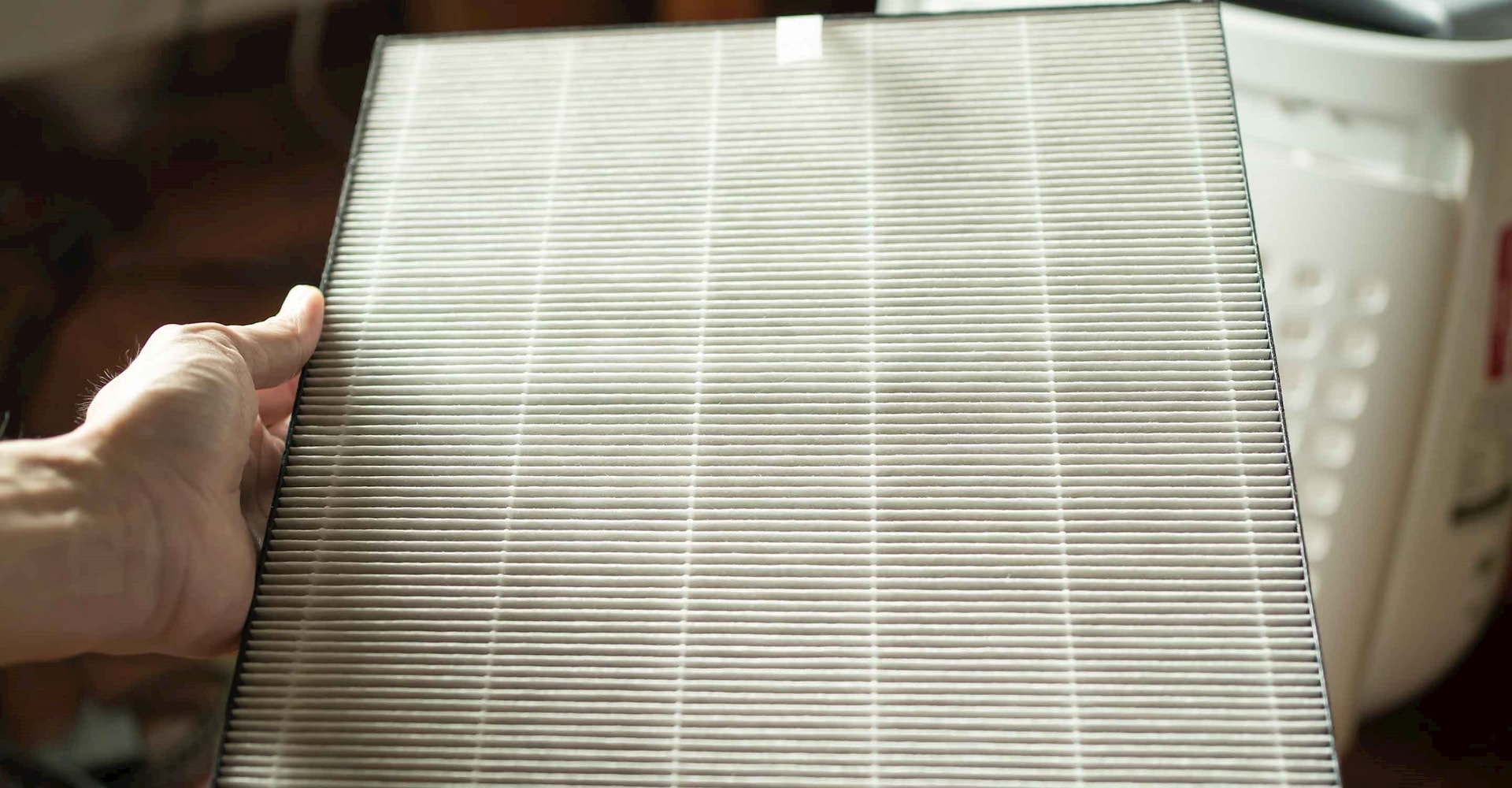
Initially classified as top-military secret, this technology equipped command centers and soldiers’ gas masks against chemical warfare agents. Post-World War II, HEPA technology was declassified and entered civilian life, though not immediately in homes. The 1950s and 1960s saw HEPA used mainly in industries requiring strict cleanliness, like pharmaceuticals, aerospace, and especially microelectronics and nuclear energy.
It wasn’t until growing awareness of allergies and asthma, coupled with the late 20th-century environmental movement, that manufacturers miniaturized this technology for household use. From countering deadly radioactive dust, HEPA evolved into a shield against pollen, pet dander, and urban fine dust.
Intelligent Operating Mechanism
A common consumer misconception is likening HEPA filters to sieves. The “sieve mindset” assumes that filter holes must be smaller than dust particles to trap them. If true, HEPA filters couldn’t capture viruses or nanoparticles smaller than the fiber spacing. In reality, air purifiers operate on complex fluid physics and particle dynamics principles.
Unlike regular sieves with uniform square holes, HEPA filters are mats of randomly arranged fibers (often glass fibers), creating a 3D maze for airflow. Particles navigating this “matrix” face three distinct physical mechanisms depending on their size, as outlined by NASA and physics studies.
According to technical documents, HEPA efficiency relies on three mechanisms: Inertial Impaction, Interception, and Diffusion.
Inertial Impaction targets larger particles (>1 micron like pollen, coarse dust). As air changes direction through fibers, these heavy particles can’t follow, colliding directly with fibers and sticking.
Interception handles medium-sized particles. Though light enough to follow airflow, their size ensures that as air passes fibers, they touch and are held by van der Waals forces.
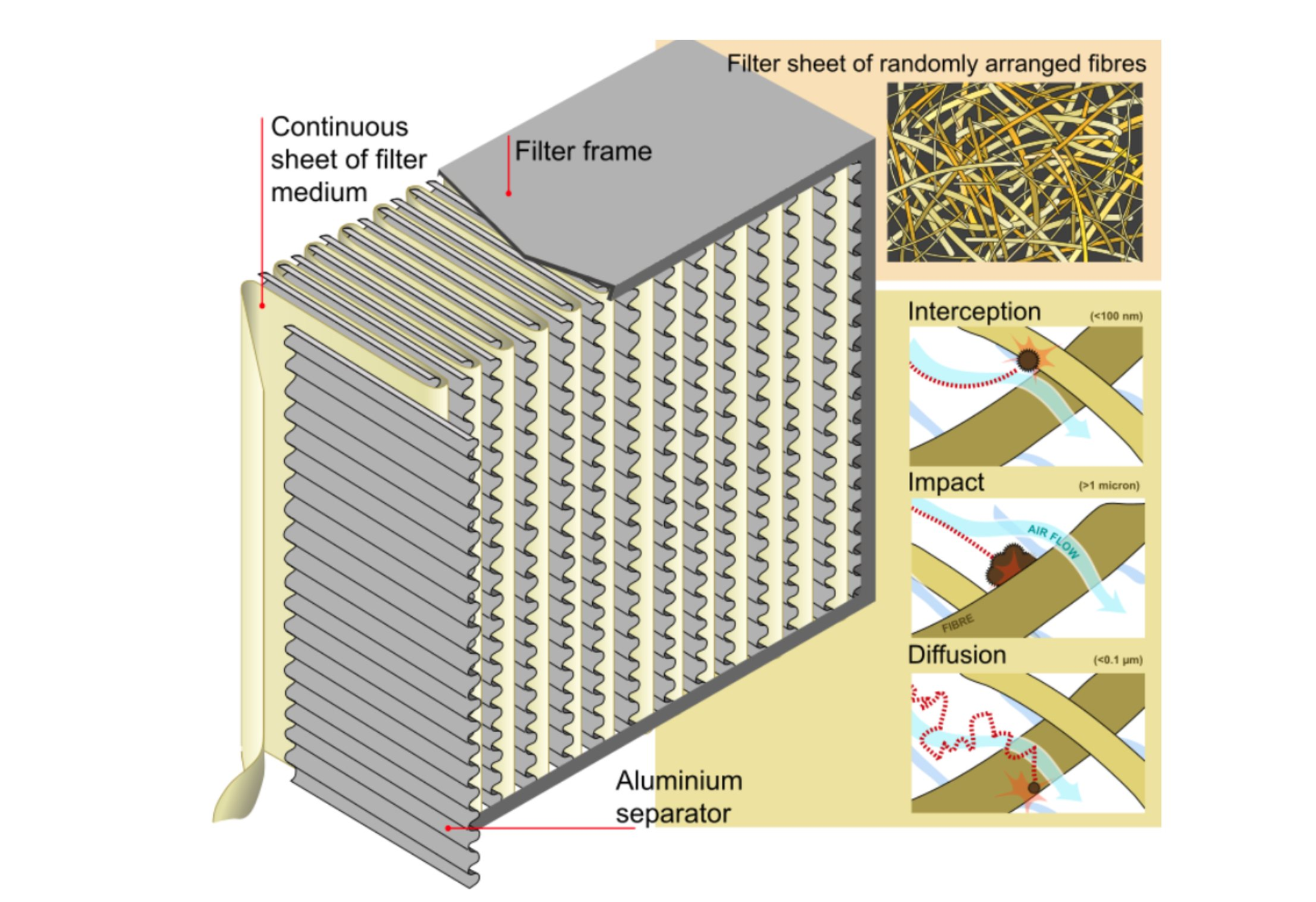
Diffusion is the weapon against invisible enemies. This mechanism answers the question: “Can filters capture viruses or nanoparticles <0.1 microns?"
Ultra-small particles (<0.1 microns), too light for inertia, are strongly affected by Brownian motion. Constant collisions with gas molecules (nitrogen, oxygen) make their paths chaotic, increasing the likelihood of hitting fibers. Thus, HEPA filters are more effective at capturing 0.01-micron particles than 0.3-micron ones.
Why is HEPA efficiency standardized at 99.97% for 0.3-micron particles? This size is the Most Penetrating Particle Size (MPPS).
Larger particles are easily caught by Impaction and Interception. Smaller ones by Diffusion. At 0.3 microns, particles are in a “blind spot” where both inertia and Brownian motion are weakest.
Thus, 0.3 microns is the toughest test for filters. Passing this test (99.97% capture) ensures near-100% efficiency for all particle sizes, scientifically proving air purifiers’ effectiveness against fine dust.
Real-World Effectiveness May Vary
While theoretical physics is solid, real-world effectiveness depends on many variables.
Scientific studies confirm measurable benefits of air purifiers. A randomized crossover study on young healthy adults showed HEPA use reduced blood pressure, respiratory inflammation, and systemic oxidative stress, protecting not just lungs but also cardiovascular health from fine dust.
Kindergarten studies revealed high-grade filters (MERV 13+) with mechanical ventilation significantly reduced PM2.5 levels, protecting children’s respiratory health and cognitive abilities.
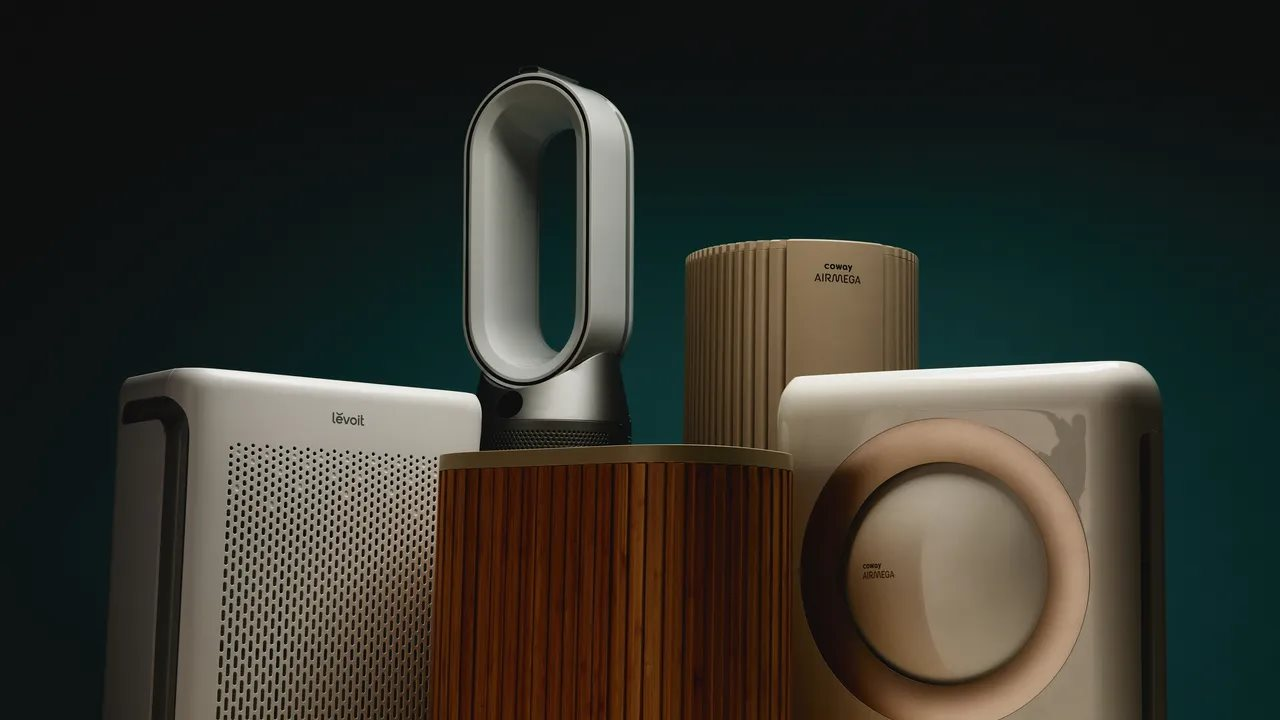
The EPA and American Lung Association endorse HEPA filters for reducing allergy symptoms by removing pollen and pet dander. However, they note limited effectiveness against dust mites, which typically reside in bedding rather than floating in air.
A major consumer misconception is equating “dust-free” with “clean air.” Air purifiers excel at PM2.5 but are powerless against CO2.
In sealed rooms with purifiers running, CO2 levels from human exhalation can soar to 2000-3000 ppm overnight.
Harvard research shows high CO2 levels directly impair cognition and decision-making. Users often feel fatigue and headaches upon waking in such rooms.
Experts recommend balancing filtration with ventilation. Cracking windows or using fresh air systems is essential to avoid “clean air asphyxiation.”
What to Know When Buying Air Purifiers
Effectiveness depends on CADR (Clean Air Delivery Rate). A top-tier filter with a weak fan (low CADR) won’t clean faster than dust infiltrates through gaps.
Many buy underpowered units, feeling they’re “useless.” CADR should be at least 2/3 of room size. Higher CADR increases air changes per hour (ACH), ensuring continuous filtration.
The market is polarized, from cheap devices to high-end machines. What’s the difference?
Cheap units use infrared sensors, measuring air opacity with low accuracy, often missing low-concentration PM2.5. Auto modes remain inactive despite pollution.
Premium models use laser scattering sensors, precisely counting particle size and number (PM1.0, PM2.5, PM10) in real-time, reacting instantly to cooking smoke or dust disturbances.
Studies show airflow bypassing filters through gaps can reduce efficiency from 99.97% to 70-80%.
High-end brands (IQAir, Austin Air) invest heavily in gaskets and sealed designs.
Cheap units with loose plastic casings allow unfiltered dust to recirculate.
Many cheap products use terms like “HEPA-type,” achieving only 99% efficiency at 2 microns, far from True HEPA (H13/H14) standards. Washable filters often perform poorly with fine dust and degrade quickly.
Not all “air purifiers” are safe. Some are scams or hazardous.
Neck-worn purifiers, despite bold claims, are ineffective in open spaces. Experts call them placebo devices.
Ozone generators, though marketed for disinfection, are unsafe. EPA warns that ozone levels safe for humans are ineffective against bacteria, while bactericidal levels damage lungs.
Health organizations advise against ozone generators in occupied spaces.
In conclusion, air purifiers are effective, not scams. However, deception lies in marketing hype about secondary features and low-quality cheap models.
For true protection, choose units with:
True HEPA (H13+) filters. Avoid washable filters. Buy units with double the CADR of room size for quiet, efficient operation. Avoid ozone or strong ionization if asthma is present.
Don’t seal rooms 24/7. Combine filtration with ventilation for fresh, clean air.
Dirty filters become bacteria traps. Replace filters more frequently in polluted environments.
Air purifiers can’t replace addressing pollution roots but are essential individual protection in today’s polluted world.
Air Purifiers in High Demand as Hanoi Battles Air Pollution

Poor air quality has prompted many residents of the capital city to seek solutions, with a growing number turning to air purifiers to safeguard their health.
Pioneering Low-Emission Zone: Hanoi’s Ring Road 1 Set to Lead the Way

At a specialized information conference held on the afternoon of December 5th, Deputy Director of Hanoi’s Department of Agriculture and Environment, Nguyen Minh Tan, announced that the city will pilot a low-emission zone within the Ring Road 1 area starting July 1, 2026. This initiative is considered a pivotal step toward enhancing air quality, reducing vehicle-related pollution, and creating a safer living environment for urban residents.
Hanoi to Ban Gasoline Vehicles in Ring Road 1 During Specific Hours Starting July 1, 2026

Under the new resolution, Hanoi will ban fossil fuel-powered motorcycles and mopeds used for commercial purposes from entering designated areas during specific time frames.
Major Overhaul for Entire Bus Systems in Hanoi and Ho Chi Minh City

The public bus systems in Hanoi and Ho Chi Minh City are set for significant transformations in the near future.
The Green Urban Revolution: Hanoi’s Ambitious Low-Carbon Future
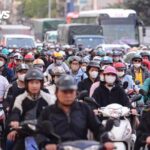
“There is a growing consensus among experts and Hanoi residents alike in support of the city’s ambitious plan to fast-track the implementation of a low-emission zone (LEZ). The plan, which aims to reduce air pollution, involves shortening the timeline for the LEZ rollout by five years. This bold move underscores Hanoi’s commitment to tackling one of the most pressing environmental challenges of our time.”