








As 2025 draws to a close, the bustling sales of social housing projects in Hanoi coincide with the rise of “middlemen” selling diplomatic slots with markups ranging from $12,500 to $28,000 per unit. Despite warnings from authorities, social media groups—both public and private—remain active hubs for these transactions.
Beyond the sale of social housing units or “diplomatic slots,” misuse of these properties—renting, lending, or reselling before the mandated period—persists covertly. Recently, two units at the Ecohome 3 project in Dong Ngac, Hanoi, were reclaimed due to ineligible rental agreements.
Similar repossessions of social housing units, rentals, and transfers within the five-year restriction period have occurred across multiple regions.
A representative from BIC Vietnam, developer of the Long Chau social housing project in Long Bien, Hanoi, revealed that many individuals pay companies to falsify income statements. Detecting such fraudulent declarations remains challenging for developers.
What stringent measures can curb this?
Speaking with Tien Phong, Ms. Tong Thi Hanh, Director of the Housing and Real Estate Market Management Department (Ministry of Construction), stated that the Ministry has submitted a report to the Prime Minister following the December 11 directive on rectifying social housing approvals, sales, and rentals. “Localities are responsible for inspecting and addressing these issues. All regulations are clear,” Ms. Hanh affirmed.
Previously, the Ministry of Construction instructed provincial authorities to tighten controls over social housing application submissions. Failure to act promptly risks not only public disorder but also fosters corruption, enabling “middlemen” to exploit loopholes, distort policies, erode public trust, and complicate state management.
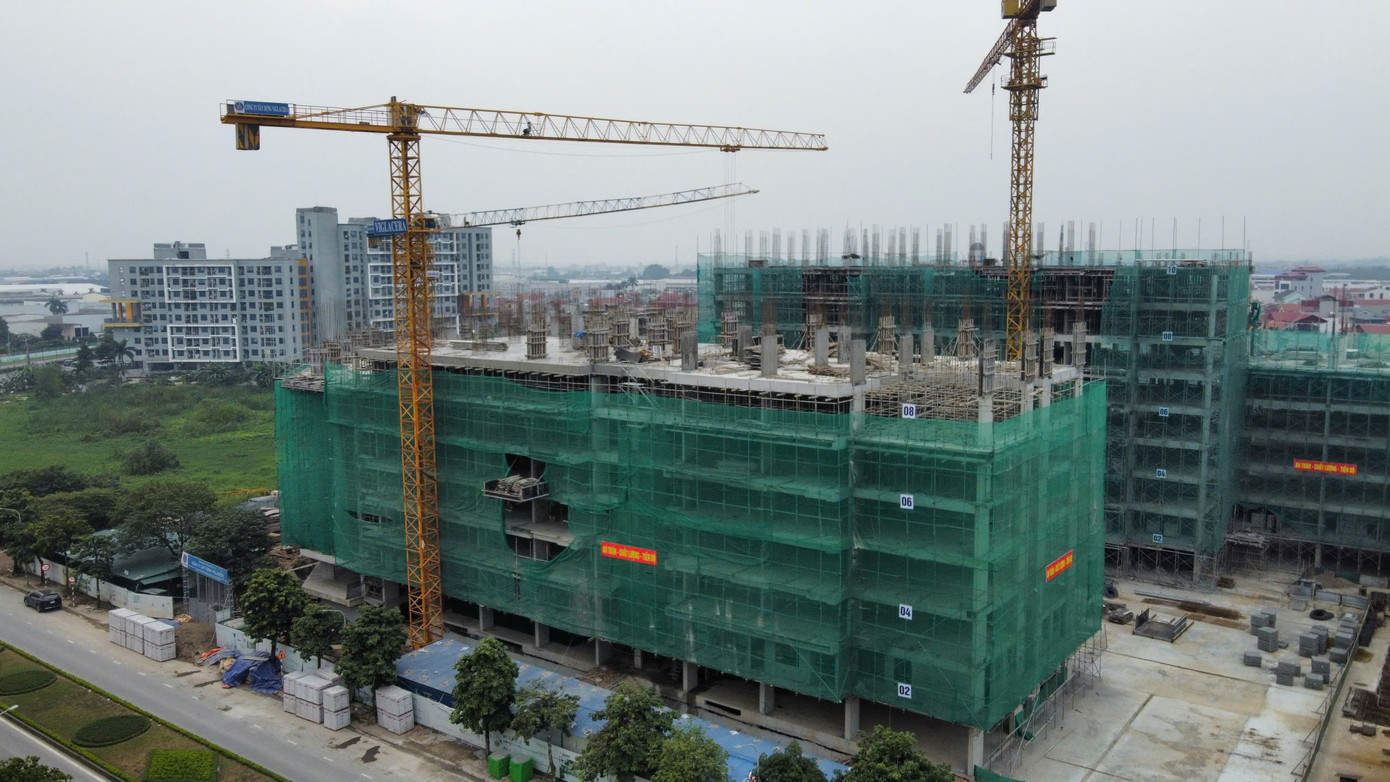
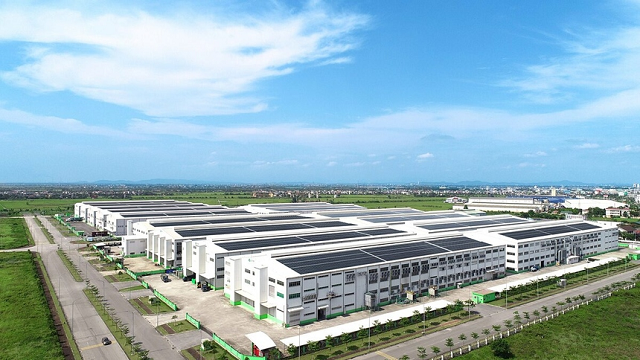
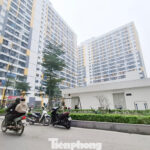
A social housing project currently on sale in Dong Anh, Hanoi
Attorney Hoang Tuan Vu of the Hanoi Bar Association notes that exploitation of social housing has evolved from isolated acts to sophisticated “legal evasion schemes.” Common tactics include falsifying income and housing status to qualify, using proxies for purchases, reselling at a premium, renting prematurely, or retaining units despite ineligibility.
Current laws address these violations. Decree 16/2022/NĐ-CP imposes fines up to $2,500 for individuals and $5,000 for organizations, plus unit repossession. The 2023 Housing Law further criminalizes offenses under the Penal Code.
However, Attorney Vu argues that administrative penalties remain insufficiently deterrent. In many cases, illicit gains far exceed fines. Repossession without targeting brokers or accomplices fosters a “risk-taking” mentality.
“Should exploitation of social housing be criminalized? Organized fraud, forgery, abuse of power, and illegal fundraising are already criminal offenses. The key lies in authorities’ proactive detection, investigation, and enforcement, not just administrative penalties,” Vu emphasized.
To effectively deter abuses, Vu recommends transparent approval processes, public beneficiary lists, enhanced post-audits, data integration, and clear accountability for developers and local governments. Additionally, increasing penalties, confiscating illicit profits, and permanently barring severe offenders from social housing programs are essential.
Only through rigorous and deterrent legal enforcement can social housing truly reach those in need, fulfilling its welfare mission.
Directive 34, signed by Prime Minister Pham Minh Chinh on December 11, mandates stricter oversight of social housing approvals, sales, and rentals. Authorities must intensify inspections to ensure accurate pricing, prevent corporate exploitation, and collaborate with police to penalize illegal brokerage and fraudulent applications. Localities must conduct post-audits, reclaim units from ineligible recipients, and publicize violations. Developers and brokers involved in misconduct will also face sanctions.
Unveiling the Truth: Are Buyers of Social Housing Required to Submit Entire Company Payroll Statements?

The representative of the joint venture investor for the CT3 Kim Chung social housing project (Thien Loc commune, Hanoi) has confirmed that there is no requirement for residents to provide additional company payroll statements.
When Can You Purchase or Rent Social Housing Without a Lottery?

Hanoi offers a unique opportunity for individuals whose land has been reclaimed and who do not require resettlement. They are eligible to purchase or lease-to-own social housing units without participating in a lottery or meeting specific housing, demographic, or income criteria.
Hanoi: Land-Recovered Individuals Eligible to Purchase Social Housing Without Lottery

Individuals whose land is reclaimed for urban renewal projects and who do not qualify for resettlement housing due to housing difficulties are eligible to purchase or lease-purchase social housing without participating in a lottery. They are also exempt from meeting requirements related to housing status, eligibility criteria, and income thresholds.
Social Housing Scandals Uncovered in Bac Ninh and Hai Phong: Widespread Violations Exposed in Affordable Housing Transactions
Unveiling a shocking scheme, authorities in Bac Ninh have exposed a web of fraud surrounding social housing purchases. Freelancers, acting as “straw buyers,” were complicit in numerous violations, leading to the repossession of hundreds of apartments and the termination of contracts.
Should Price Caps Be Imposed on Social Housing?
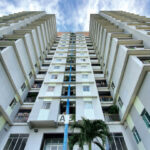
Recently, numerous social housing projects have reached prices of nearly 30 million VND per square meter, sparking debates about the need to implement a price cap for social housing.