














Speaking at the “Vietnam Capital Market Outlook 2026” forum themed “Breakthrough on a New Foundation,” organized by the Vietnam Financial Consulting Association (VFCA) and Vietnam Finance Magazine on December 12, 2025, Mr. Nguyen Minh Hoang – Director of Analysis at Nhat Viet Securities Company (VFS) – stated that Vietnam is poised to attract a significant influx of capital.
However, the critical issue is not just the capital itself, but whether the market has sufficient “commodities” to effectively absorb this capital. The equitization of state-owned enterprises (SOEs) plays a particularly vital role in this process.
From a market perspective, Mr. Nguyen Minh Hoang observed that the equitization of SOEs during the periods 2016–2020, 2021–2023, and 2024–2025 has generally been slow, even falling short of government expectations and the market’s growing capital demands. He attributed this situation to three main groups of issues.
First, the largest barrier lies in land and fixed assets, often likened to a “blood clot” in the equitization process. In reality, about 70% of SOEs facing difficulties in equitization are stuck at this stage. The unclear identification, separation, and valuation of land and land-attached assets prolong the equitization process, increase risks, and diminish investor appeal.
Second, the psychological and accountability factors of managers play a significant role. According to Mr. Hoang, many officials involved in equitization hesitate to make decisions, fearing risks and legal liabilities. This mindset results in a lack of proactiveness and decisiveness in the equitization process, despite the market’s urgent need for reform and capital mobilization.
Third, internal conflicts of interest within SOEs are another critical factor hindering equitization. When interests are not aligned, asset handling and corporate restructuring often stall or drag on indefinitely.

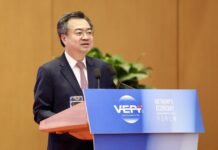
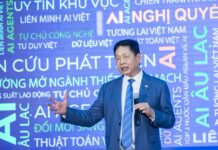
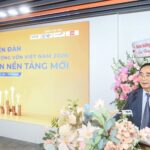
Mr. Nguyen Minh Hoang, Director of Analysis at Nhat Viet Securities Company (VFS)
In this context, Mr. Nguyen Minh Hoang cited the case of ACV as an example of successful equitization through effective asset and business model management. He highlighted two key aspects of ACV’s success. First, ACV successfully separated land issues from the enterprise, particularly assets related to public infrastructure like airports and runways, ensuring transparent valuation and minimizing public asset loss risks. Second, ACV’s business model is clear and straightforward, with revenue primarily derived from core operations and fewer complex subsidiaries. Transparent handling of historical assets reduces legal disputes and facilitates capital mobilization for major projects.
In contrast, VNPT faces greater challenges due to its complex land structure, with over 2,000 locations nationwide, many in central areas with diverse usage purposes. The lack of clarity and separation of these assets complicates valuation, stalling the equitization process.
From these cases, Mr. Hoang identified three critical points. First, resolving the “land blood clot” is essential to accelerate equitization. Second, transparent asset structures boost investor confidence, enhancing capital mobilization. Third, appropriate protective mechanisms are needed to alleviate psychological pressure and accountability for executors, creating a “safe zone” for decisive equitization implementation.
Beyond SOEs, Mr. Hoang noted that many large private enterprises have proactively standardized their growth models early on, operating systematically and transparently, ensuring more efficient and stable capital inflows.
However, Mr. Nguyen Minh Hoang pointed out that the market remains imbalanced, with banks and a few large conglomerates dominating, affecting overall capital mobilization. Therefore, accelerating the addition of “commodities” to the market is crucial, aligning with capital cycles and equitization progress. This is essential for sustainable market development and effective utilization of the upcoming large capital inflows.
Green Credit Debt Reaches 750 Trillion VND, with Anticipated 2% Annual Interest Rate Support for Green Projects

The State Bank of Vietnam (SBV) is collaborating with the Ministry of Finance to propose a government decree offering a 2% annual interest rate subsidy from the state budget. This initiative aims to support private enterprises and business households borrowing from banks to implement green projects and circular economy initiatives.
Unlocking Vietnam’s Capital Market: Three Key Drivers Poised to Trigger a Major Influx of Investment
The year 2026 marks a pivotal moment for Vietnam’s financial market, serving as a catalyst for rapid, sustainable growth and elevating its global standing on the international stage.
Dragon Capital CEO Candidly States: Vietnamese Investors Hold Funds for Over a Year, Often Comparing Returns to Bank Interest Rates

The expert believes that without a solid understanding of investment and finance, individuals will never make informed decisions. She advocates for the integration of financial education into all levels of schooling, enabling people to engage with financial investments from a young age.
Unlocking Vietnam’s Vast Capital Market Potential in the New Era

With new equity capital reaching 10% of GDP and KRX infrastructure significantly boosting liquidity, experts believe the capital market is poised for a breakthrough, supported by an increasingly robust policy framework.
Coteccons Plans Bond Issuance to Fund VND 250 Billion in Employee Bonuses and Debt Repayments, Offering Fixed 9% Interest Rate
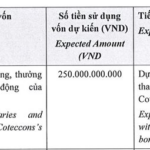
Coteccons Construction Joint Stock Company (stock code: CTD) has announced a resolution to issue VND 1,400 billion in bonds, allocating nearly 18% of the total proceeds to employee bonuses and salaries.