


















Illustrative image.
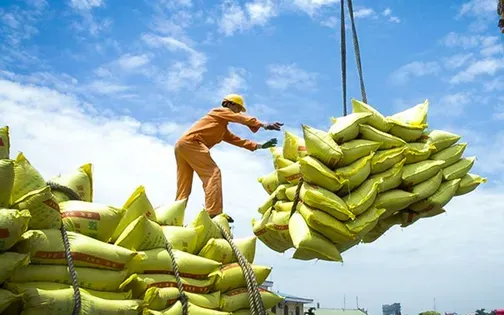
Vietnamese rice export prices remained largely unchanged last week, with trading activity sluggish due to weak market demand. In Vietnam, 5% broken rice was quoted at around $365-$370 per ton, nearly stable compared to the previous week. Traders reported slow transactions due to low demand.
Official data revealed that Vietnam’s rice exports in November 2025 plummeted by 49.1% year-on-year to 358,000 tons, reflecting the market’s short-term stagnation. Cumulative rice exports as of November 30 reached 7.535 million tons, valued at $3.851 billion, down 10.88% in volume and 27.37% in value compared to the same period in 2024, according to the Vietnam Food Association.
Similarly, Indian rice prices were largely steady. In contrast, Thai rice prices surged to a six-month high in the Asian market. Globally, the rice market is stabilizing after significant fluctuations in 2025, though price trends remain sharply divided between Asia and the West.
In Thailand, 5% broken rice prices climbed to approximately $400 per ton by week’s end, up from $375 per ton the previous week, reaching the highest level since late May 2025. This surge was driven by concerns over reduced supply due to domestic flooding and expectations of improved demand as China pledged to purchase 500,000 tons of Thai rice, with the deal nearing completion this month. Bangkok traders noted that export prospects to China, along with potential orders from the Philippines, have invigorated the rice market.
Conversely, Indian export rice prices remained stable last week. Indian 5% broken parboiled rice was offered at $347-$354 per ton, while 5% broken white rice ranged from $340-$345 per ton. The weakening rupee, nearing record lows against the USD, helped exporters offset higher domestic paddy costs. Paddy prices in India remained elevated partly due to the government’s increased minimum support price, raising input costs for businesses.
Elsewhere in the region, Bangladesh approved plans to purchase 50,000 tons of rice through international tenders, as the government struggles to control domestic rice prices despite ample supply and production.
Recent reports indicate the global rice market is showing signs of stabilization after a volatile year. Asian rice prices are rising due to tighter supplies, with some nations continuing imports to bolster reserves, though demand remains subdued. Meanwhile, American rice exporters face downward price pressure due to slower delivery rates and weakened foreign demand. This disparity is widening the price gap between Asian and Western rice markets.
Global rice trade is expected to undergo significant adjustments as inventories rise in major Asian producing countries and trade flows shift. Some Asian nations are anticipated to expand exports, while import demand in certain African and Asian markets is expected to rebound. Analysts predict the global rice market will enter 2026 on a more stable footing, though regional disparities will continue to shape pricing and trade strategies in the coming year.
Thailand’s Rice Prices Hit Six-Month High

In Thailand, the price of 5% broken rice has surged to approximately $400 per ton this weekend, up from $375 per ton last week, reaching its highest level since late May 2025.
Cambodia’s Rice Crisis: Prices Plummet 28%, Imports Surge, Local Farmers Left Struggling
Affordable rice, smuggled into the country in vast quantities, is flooding the market and forcing domestic businesses to slash prices to remain competitive.
Thai Rice Prices Surge to Near Four-Month High
In Asia, Thai rice prices surged to their highest level in nearly four months amid concerns over supply disruptions caused by flooding.
India’s Rice Exports Hit as Another Nation Halts Imports for One Month Following Philippines and Indonesia

The surplus of rice supply is emerging as a pressing concern across numerous countries.
Asia’s Rice Exporters Face Dilemma: World’s Third-Largest Importer Set to Surplus 4 Million Tons, Following Philippines in Halting Imports

Emerging as a new force in the global rice market, this nation is not India or the Philippines, yet it’s reshaping the dynamics of international rice prices.