














“For Whom Do We Live?” – Reflecting on the Creation of Living Spaces
In the realm of contemporary Vietnamese architecture, Architect Hà Thanh stands as a rare figure who has maintained his professional “serenity” over more than three decades of creativity. His career has yielded a substantial portfolio, encompassing residential, resort, public, and numerous iconic projects, most notably luxurious villas for the elite. In Season 1 of the Trend+ podcast—a pioneering platform discussing Vietnamese interior architecture trends, co-produced by Gỗ Minh Long and Viglacera—Architect Hà Thanh appears as a guest to share insights on a seemingly familiar yet profoundly insightful design philosophy: “We eat for ourselves, dress for others, but for whom do we live?” This question invites a fresh perspective on the relationship between individuals and their living spaces.
The central question posed by Architect Hà Thanh highlights a long-standing reality: the act of “living” is often overlooked. Many families meticulously invest in food and clothing but readily entrust their living spaces entirely to architects or follow popular trends. This results in homes that become products of habit and taste, lacking depth and personal identity.
According to him, living spaces should reflect one’s “essence,” authentically portraying individual needs, preferences, and desires. From this perspective, Architect Hà Thanh redefines the role of an architect. Beyond creating blueprints or renderings, they act as “directors of life rhythms” and “living spaces,” orchestrating the flow of light, wind direction, movement within the home, and how residents begin their days and conclude peaceful evenings. Every small detail can influence emotions and the quality of family life. A true design should inspire a more civilized future for its inhabitants.

A hand-drawn design by Architect Hà Thanh
Expanding from “living for oneself” to “living for us,” Architect Hà Thanh introduces a concept that embodies the symbiotic relationship between individual identity and community context. A home must suit its owner, align with those sharing the space, and harmonize with the surrounding social and cultural environment. The individual “I” is inseparable from the collective “us”; the deeper a structure is rooted in family, community, and city, the more enduring its vitality. Architecture thus aspires to dual values: refinement for inhabitants and sustainability within its ecosystem.
Architecture Cannot Chase “Social Perception”
During the Trend+ conversation, Architect Hà Thanh highlights six fundamental functions of living spaces. Among these, the need for expression—prevalent on today’s social media—occupies a minor role. He observes that many structures are erected to satisfy immediate awe but lack the foundation to endure over time. Strong visual impact sometimes obscures the silent soul of a home: the “essence” of its inhabitants.
Drawing from his professional experience, he asserts that catering to superficial demands is the quickest way to diminish a project’s value. His analysis reveals that architecture lies not in opulent exteriors but in its ability to nurture spiritual life. A beautiful blueprint alone cannot create a true home without an aligned life philosophy. Designers, according to Architect Hà Thanh, must look beyond initial requests to uncover what residents truly need. This understanding emerges only when professionals possess sufficient experience and respect for each individual.
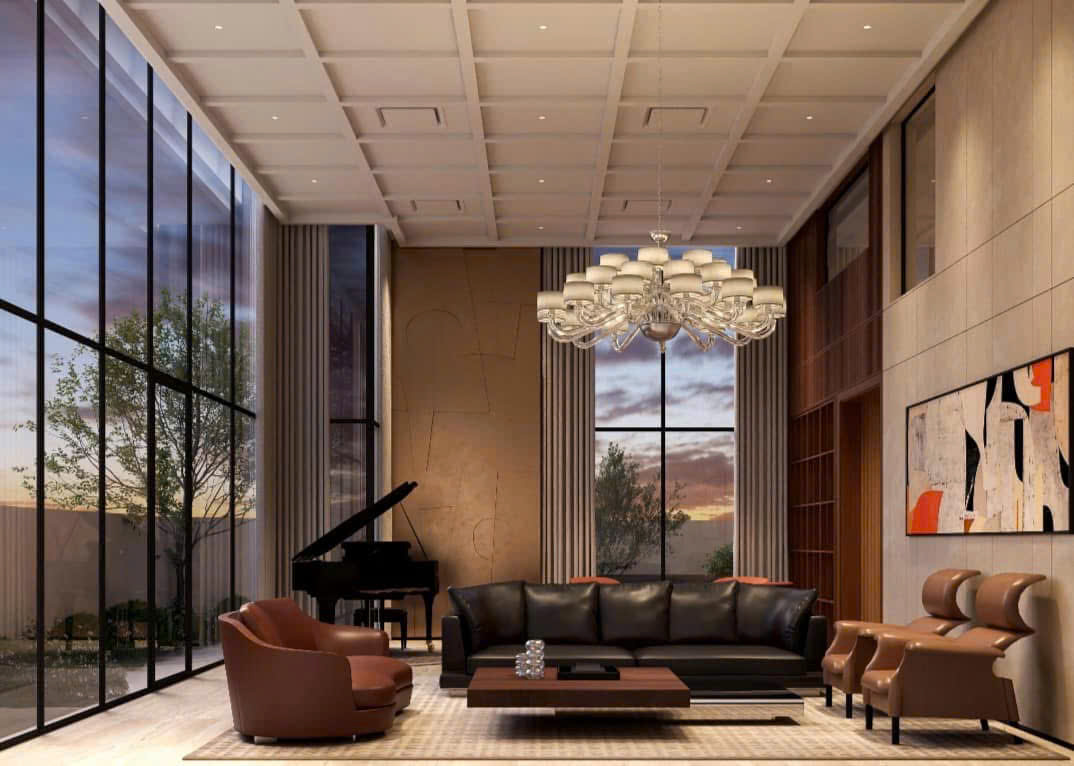
Modern living space designed by Architect Hà Thanh
Ultimately, architecture is a dialogue between the individual and the world. When a structure captures the refined essence of the “I” and preserves the sustainable pulse of the “us,” it transcends mere shelter, becoming a space with its own life, nurturing emotions, and fostering a better way of life for its family.
VinaCapital Chief Economist: Vietnam’s Economic Growth Peak Expected by Mid-2026
Vietnam harnesses the synergy of intrinsic economic drivers and institutional reform efforts, creating robust opportunities for breakthrough growth. However, to materialize foreign capital inflows and reduce capital costs, elevating corporate governance standards to international best practices is imperative.
Official: FPT Logo to Feature on Chelsea’s 2025/26 Match Kits

Chelsea and FPT have collaboratively identified and crafted a comprehensive digital transformation roadmap. This strategic plan encompasses digital platforms, customer engagement strategies, operational enhancements, and the integration of cutting-edge emerging technologies.
Innovative Choice Awards 2025: Celebrating the Top Brands, Services, and Products Honored at the Better Choice Awards

Here are the brands, services, and products honored at the Better Choice Awards 2025.
“A Surging Foreign Investment Tide: Vietnam Attracts $26.14 Billion FDI in Eight Months, Up 27.3% Year-on-Year”
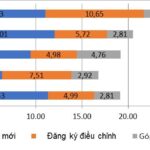
As per the latest figures released by the Statistics Bureau, foreign investment registered in Vietnam as of August 31, 2025, including newly registered capital, additional capital, and capital contributions and share purchases by foreign investors, totaled $26.14 billion, a surge of 27.3% compared to the same period last year.
Masterise Homes’ Design Philosophy: Elevating Local Heritage to Global Living Standards

At the recent AADA 2025 awards, Masterise Homes made a remarkable impression by bagging dual wins for their projects: The Centric in Hai Phong and The Rivus in Ho Chi Minh City. Behind these international accolades lies the steadfast journey of a dedicated team, passionate about crafting every detail with excellence, driven by the aspiration to elevate Vietnamese real estate to global standards.