













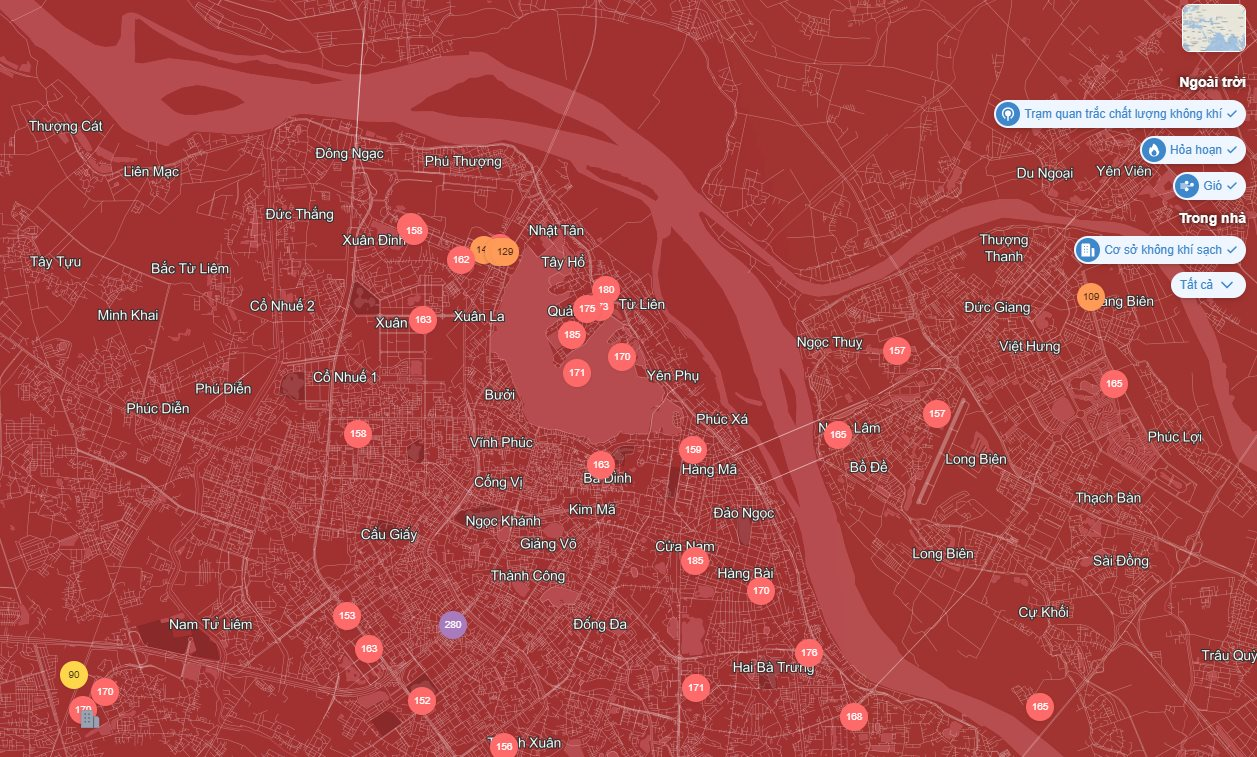
Over the past decade, public awareness of air pollution has shifted from an abstract environmental concept to a daily concern, present in every breath we take.
In major Asian cities like Beijing or New Delhi, checking the Air Quality Index (AQI) on smartphones every morning has become as common as checking the weather forecast.
The popularity of apps like IQAir (AirVisual), PAM Air, and AirNow has empowered citizens with information but also created a “matrix” of conflicting data and skepticism.
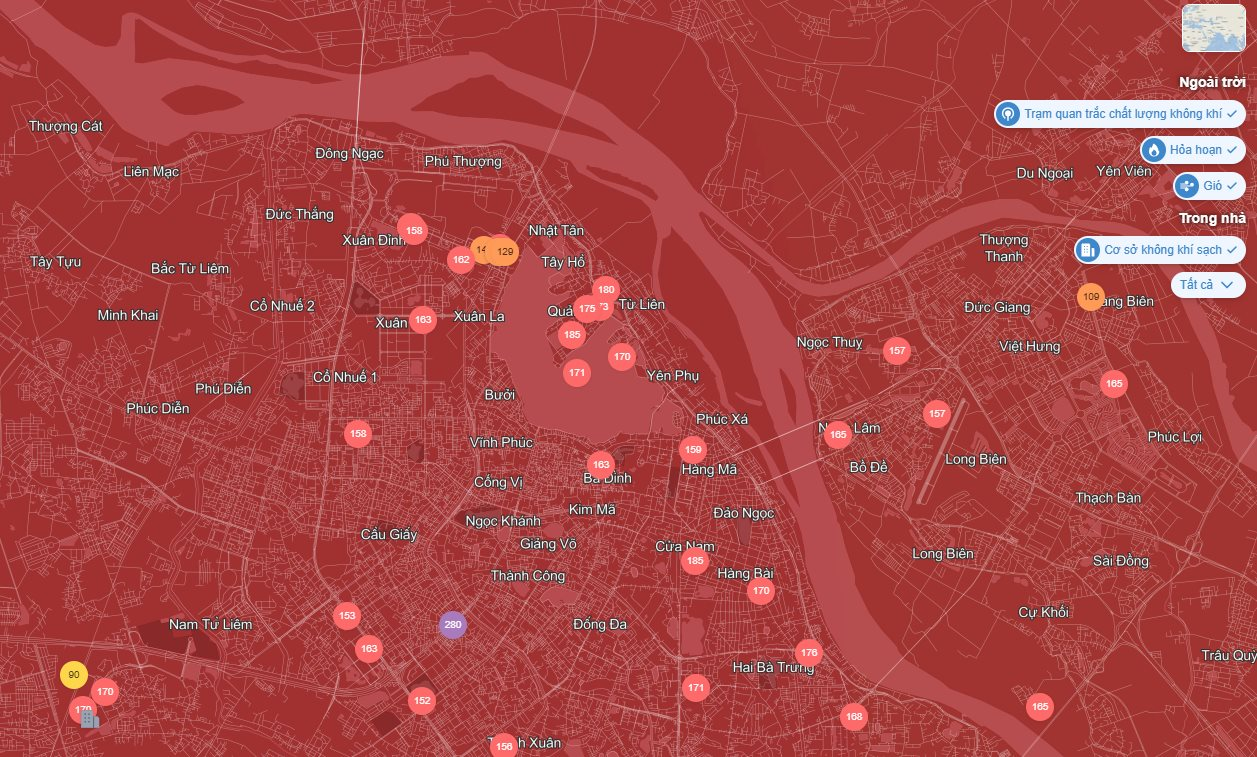
Users often find themselves confused by conflicting information: one monitoring station reports harmful levels, while others show normal readings.
This discrepancy raises questions about data reliability. Are there ambiguities behind the release of these pollution indices?
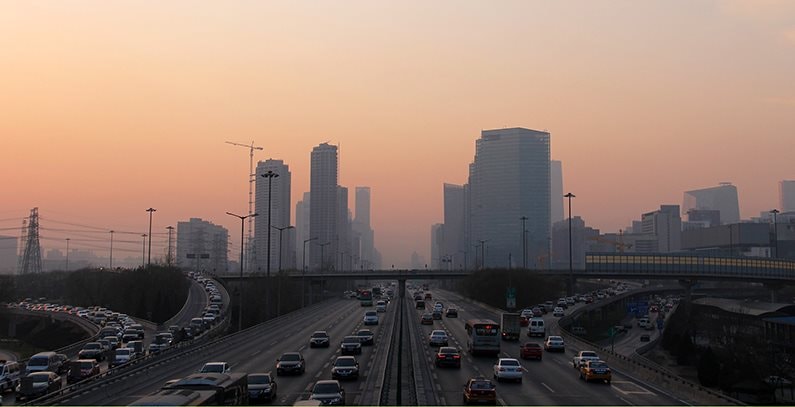
Beijing’s skyline shrouded in smog, a common sight in many Asian cities.
There are various air quality monitoring systems, and not all devices are created equal. Differences in operating principles lead to varying results for the same sample.
Fixed Monitoring Stations: The Gold Standard
Fixed monitoring stations operated by government agencies like the US EPA are considered the most accurate. They primarily use two methods: the Gravimetric method and Beta Attenuation Monitoring (BAM).
The Gravimetric method is the absolute standard. It involves drawing a specific volume of air through a physical filter for 24 hours. The filter is weighed with high precision before and after sampling.
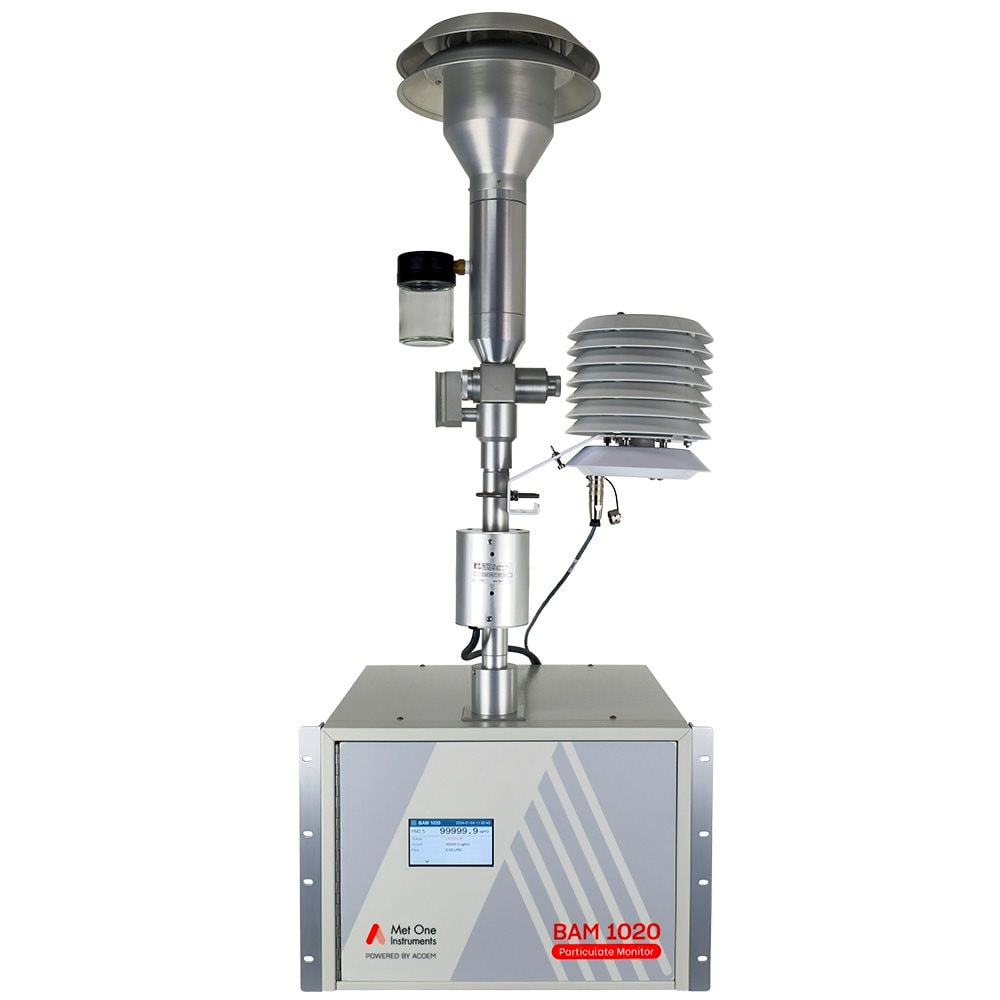
BAM-1020, a widely used beta attenuation monitor for real-time air quality measurements.
To address the latency issue, automated stations often use BAM technology (e.g., Met One BAM-1020). This device employs a moving filter paper that advances after each cycle (typically hourly).
Mass-Market Technology: Accuracy Concerns
On the other end of the spectrum are handheld devices, personal monitors, and crowdsourced sensor networks (Low-Cost Sensors – LCS) like IQAir (AirVisual Pro), PurpleAir, and PAM Air. These devices primarily use light scattering or optical particle counting (OPC).

AirVisual Pro, a popular low-cost air quality monitor for personal use.
IQAir and the Controversy
IQAir, a Swiss-based company, has become synonymous with global air quality data. However, its dual role as a data provider and seller of air purification solutions raises questions about potential conflicts of interest.
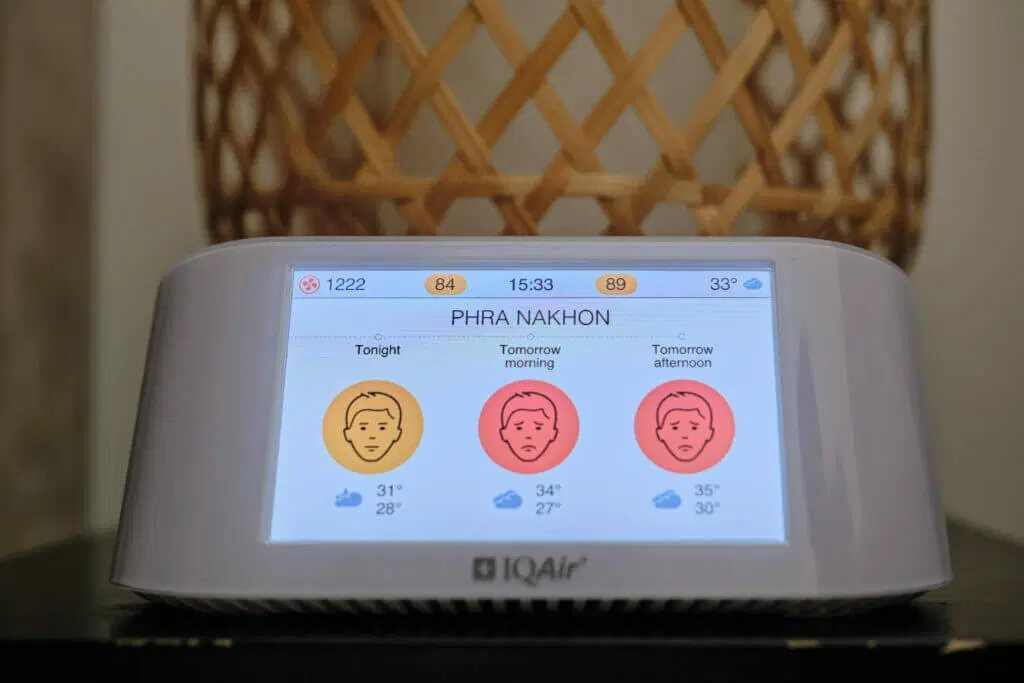
AirVisual Pro’s air quality forecast interface, showing real-time data and predictions.
Why Asian Cities Often Appear “Redder” Than Western Ones
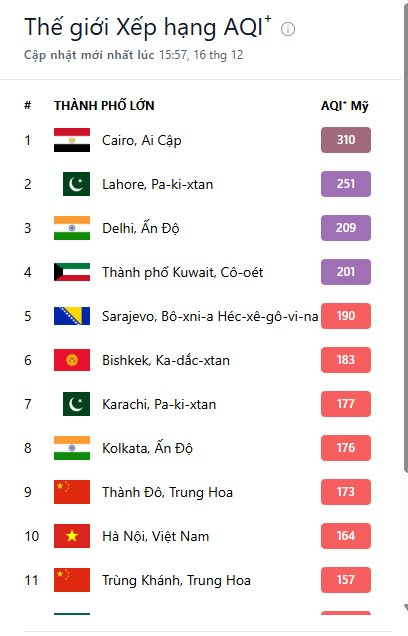
When examining air pollution maps, Asian cities consistently top the charts, while Western cities appear cleaner. Is this solely due to Asia’s rapid industrialization and higher production levels? Only partially.
Temperature inversion, a common phenomenon in Northern Vietnam during winter, traps pollutants near the ground.
Historical data analysis from Hanoi and other sources (2015-2024) shows that annual PM2.5 concentrations do not follow a linear upward trend but fluctuate based on weather conditions.
Air quality improvements during the COVID-19 lockdown period (2020-2021) due to reduced human activity.
In conclusion, while private monitoring stations (IQAir, PAM Air) may not be absolutely accurate in terms of technical numbers, especially in high-humidity conditions, they can accurately reflect trends.
Air pollution trends in Asia are the inevitable result of unfavorable geography (temperature inversion, basin-like terrain) combined with industrialization and traffic habits. This is a structural issue that cannot be solved overnight.
How Global Megacities Combat Fine Dust and Reclaim Blue Skies

Amidst the struggle of many cities grappling with air pollution, there are notable success stories of urban centers that have reclaimed their blue skies.
Revolutionizing Transportation: Comprehensive Policies to Accelerate the Shift to Electric Vehicles
Affirming its commitment to not leave citizens to “fend for themselves” during the transition process, Hanoi is actively developing a series of practical support policies.
Global Experts Offer Solutions to Tackle Vietnam’s $13 Billion Annual Disaster Crisis

Failure to address this issue promptly will exacerbate the detrimental impact on public health and the Vietnamese economy, leading to increasingly severe consequences.
Proposed: Hanoi, Ho Chi Minh City to Implement Stricter and Accelerated Emission Standards for Vehicles

The Ministry of Agriculture and Environment has proposed that Hanoi and Ho Chi Minh City implement a stricter and accelerated roadmap for vehicle emission standards, specifically targeting cars and motorcycles.
New Proposal Directly Affecting Millions of Vehicles to Take Effect Next Year

The implementation of Level 4 standards for vehicles manufactured between 2017 and 2021 in Hanoi and Ho Chi Minh City is a notable concern, as nearly 16% of these vehicles fail to meet the required criteria.