
















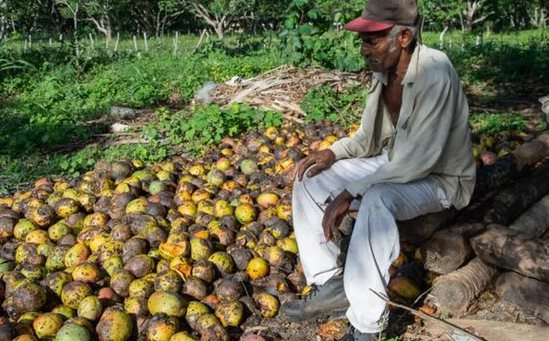
Illustrative image
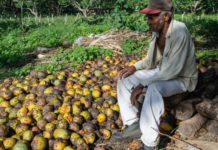
In the fertile valleys of El Caneycub, located in Cuba’s Santiago province—a region renowned for its high-quality mango orchards—a striking paradox unfolds. Hundreds of tons of mangoes face the threat of spoilage, while consumers in major cities grapple with soaring prices for this coveted fruit.
Cuba’s agricultural cooperatives manage approximately 292 hectares of mango plantations, with this season’s yield projected to surpass 600 tons. However, cooperative leaders highlight a critical lack of investment in storage bins, packaging, and containers essential for preservation and transportation. This shortfall leaves a significant portion of ripe mangoes unable to reach markets in time.
Prolonged power outages exacerbate these challenges. Key post-harvest processes—from cold storage to processing—rely heavily on an unreliable electricity supply. Bacilis Leyva Durán, the cooperative’s chairman, acknowledges that the ability to deliver mangoes to consumers hinges largely on infrastructure conditions beyond farmers’ control.
In a bid to salvage part of the harvest, the cooperative’s small-scale processing facility produces items like pulp, jams, candies, and salad dressings. Yet, these operations are contingent on electricity availability and sufficient storage—conditions that are increasingly rare. The mangoes’ rapid ripening, coupled with theft and speculation, intensifies pressure on growers. According to producer Dulce María Cedranes Rivera, farmers struggle to sell their produce in time, while urban markets charge premium prices for the fruit.
This situation underscores long-standing inefficiencies in Cuba’s agricultural logistics and distribution systems. Despite official reports emphasizing the importance of preserving and enhancing the value of El Caney mangoes, ensuring a stable, affordable supply for citizens remains elusive.
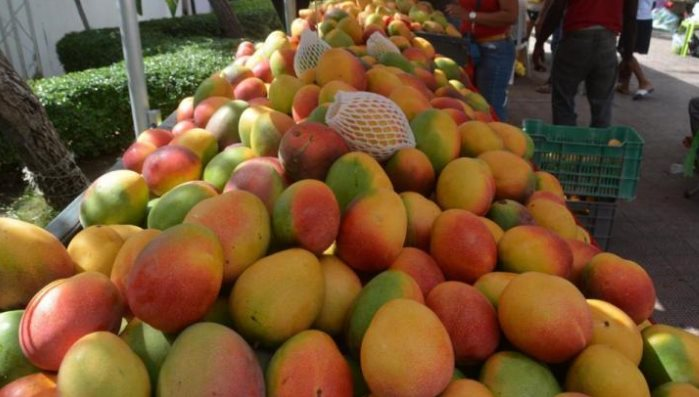
Conversely, mango prices have surged in urban markets. A recent social media video from El Vedado market in Havana revealed early-season prices reaching 500 pesos per pound—over $4, an exorbitant rate for a tropical nation where fruit should be abundant and accessible.
Such price hikes have transformed mangoes from a staple into a luxury for many Cuban families, directly impacting daily nutrition and livelihoods.
State-owned mango plantations are not immune to these struggles; many lie abandoned. The Independent Food Monitoring Program (FMP) reports that in central Cuba, dozens of tons of mangoes went unharvested due to shortages of fertilizers, fuel, and labor. The fruit rots on the ground while nearby communities face food scarcity.
The FMP warns that disruptions across the production chain—from cultivation to distribution—are eroding long-term productivity. Neglected orchards, degraded soil, and uncoordinated agricultural systems compound the issue, epitomizing Cuba’s agricultural paradox: abundance in the fields, scarcity on the table.