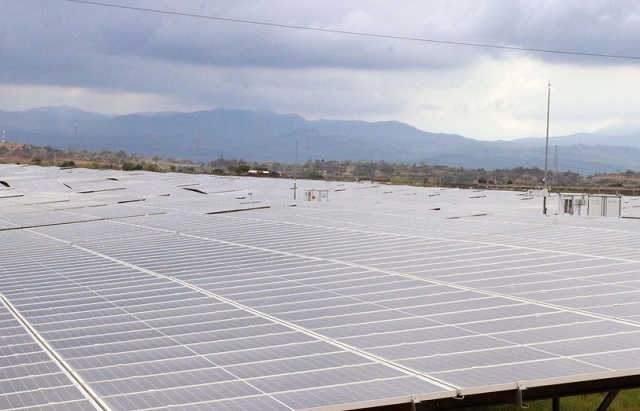
The BIM solar power project in Phuoc Minh commune, Thuan Nam district, has commenced commercial operations. (Photo: Cong Thu/TTXVN)
|
The Ministry of Industry and Trade has issued Circular No. 62, outlining the methodology for determining and approving the electricity generation price framework and electricity service rates for energy storage systems.
According to Circular No. 62/2025/TT-BCT, the Ministry of Industry and Trade provides detailed guidelines on the documentation, procedures, and methods for determining and approving the electricity generation price framework, as well as the methodology for calculating electricity service rates for energy storage systems. It also clarifies the essential components of power purchase agreements.
This Circular is based on the Electricity Law No. 61/2024/QH15, Government Decree No. 40/2025/NĐ-CP, and the proposal from the Director of the Electricity Regulatory Authority of Vietnam.
The Circular applies to agencies, organizations, and individuals owning energy storage systems connected to the national grid at voltage levels of 110 kV and above, with a capacity of 10 MW or more, and contributing to the national grid as per the National Power Development Plan for the 2021-2030 period, with a vision to 2050.
It also applies to the system operator, Electricity of Vietnam (EVN), and other relevant organizations and individuals.
Certain cases are explicitly excluded from the scope of application, including energy storage systems combined with renewable energy plants or systems invested by the Power Corporation. These cases are governed by other specialized circulars issued by the Ministry of Industry and Trade.
Additionally, the Circular dedicates a section to defining key terms to ensure uniform understanding and application during implementation. These terms include electricity seller, electricity buyer, investor, delivered electricity, power generation unit, system operator, energy storage system, base year, power corporation, and total investment.
The electricity generation price framework for energy storage systems is set within a range from a minimum of 0 VND/kWh to a maximum price. The maximum price is calculated based on the generation price, which includes the average fixed price, fixed operation and maintenance costs, and the variable price.
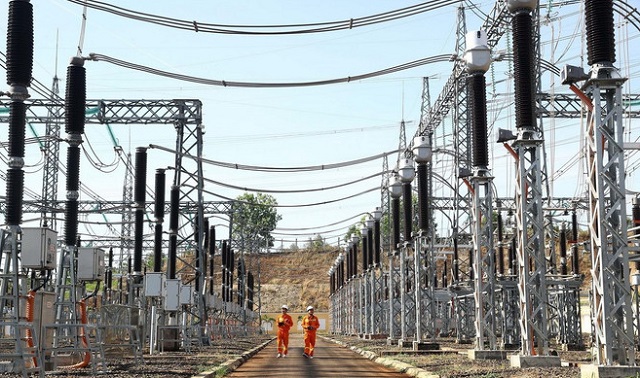
Operators at the Pleiku2 500kV Substation in Gia Lai province. (Photo: Huy Hung/TTXVN)
|
The Circular provides a detailed formula for determining the generation price. The average fixed price represents the recovery of investment costs, calculated based on the annualized investment cost and the average delivered electricity over multiple years. Input parameters such as investment rate, installed capacity, economic lifespan, financial discount rate, loan interest rate, and return on equity are all specified with clear justifications.
The variable price is determined to cover charging costs, based on the electricity purchase price and the charge-discharge cycle efficiency of the energy storage system. Meanwhile, the fixed operation and maintenance price is designed to recover major and minor repair costs, as well as other expenses incurred during operation.
Regarding the approval process for the electricity generation price framework, the Circular stipulates that within 15 days of the investment feasibility study report being approved, the investor must finalize and submit the dossier to Electricity of Vietnam.
By November 1st each year, Electricity of Vietnam is responsible for calculating and preparing the dossier for approving the electricity generation price framework, submitting it to the Electricity Regulatory Authority of Vietnam for appraisal, and reporting to the Minister of Industry and Trade for decision.
In addition to the electricity generation price framework, the Circular also outlines the principles and methods for determining electricity service rates for energy storage systems. The electricity service rate is based on reasonable and valid costs throughout the economic lifespan of the project, ensuring an internal financial return rate not exceeding 12%.
The electricity service rate includes the base year capacity price and the base year energy price, excluding value-added tax and other taxes and fees as prescribed. This rate, when compared to the base year electricity generation price framework, must not exceed the framework issued by the Minister of Industry and Trade.
The Circular also details the methodology for calculating the average fixed price, fixed operation and maintenance costs for the base year; principles for determining fixed prices for each year in the power purchase agreement; principles for annual adjustments to electricity service rates; and the method for determining the power purchase agreement price at the time of payment.
Furthermore, the responsibilities of the Electricity Regulatory Authority of Vietnam, system operator, Electricity of Vietnam, electricity buyers, and electricity sellers are clearly delineated in the implementation, negotiation, payment, and adjustment of electricity service rates.
All parties are obligated to provide complete and accurate documentation and data, collaborate closely during the execution of power purchase agreements, and ensure the safe and efficient operation of the national grid. Circular No. 62/2025/TT-BCT will take effect on January 26, 2026.
Van Giap
– 20:56 15/12/2025
Ministry of Industry and Trade Rejects VinEnergo’s Proposal to Prioritize Power Purchase Agreement for BESS Energy Storage Project
Revised Introduction:
A Battery Energy Storage System (BESS) is an integrated solution comprising batteries, chargers, control systems, and auxiliary devices interconnected with the power grid. This system efficiently stores electrical energy during charging cycles and discharges it on demand, ensuring reliable power supply when needed.
Tesla Recalls 10,500 Battery Units Due to Overheating Risks, Threatening Smoke, Fire, and Non-EV Product Expansion Ambitions

Tesla attributed the issue to a third-party supplier, though specific details were not disclosed.
Government Clarifies $85-$135 Subsidy for Residential Rooftop Solar Installations
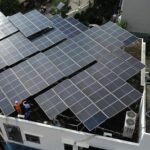
The Ministry of Industry and Trade clarifies the cash incentive of VND 2-3 million for households installing rooftop solar panels, along with a financing support plan offering loans at an annual interest rate of 8.3%.
Government Support for Residential Rooftop Solar Installation: New Proposal from the Ministry of Industry and Trade
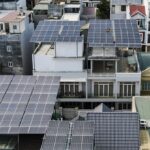
In addition to direct financial support ranging from 2 to 3 million VND, the Ministry of Industry and Trade has proposed that households installing rooftop solar power systems be eligible for loans with specific subsidized interest rates, along with defined interest rates for overdue payments.
Unlocking Solar Power for 14 Million Households: Vietnam’s Ambitious Plan and the $4.2 Billion Question
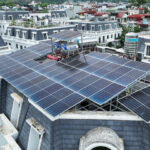
Households that install rooftop solar PV systems for self-generation and consumption, along with energy storage solutions, are set to benefit from a range of supportive policies. These include financial grants and preferential loans, offering a boost to those embracing renewable energy sources.