Green Credit Debt Reaches Approximately VND 750 Trillion
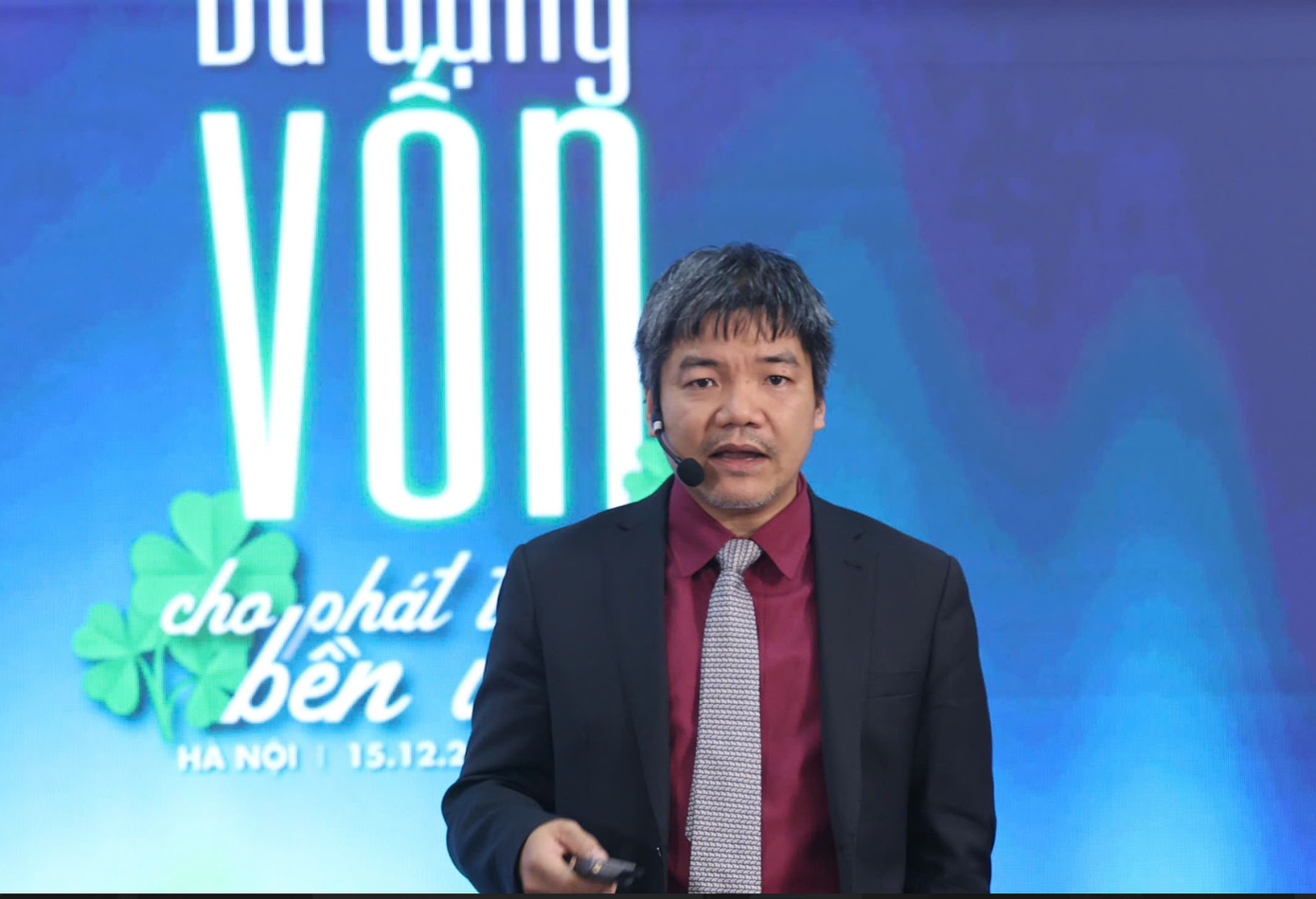
At the seminar titled “Diverse Capital for Sustainable Development,” organized by the Finance and Investment Newspaper on the morning of December 15th, Deputy Governor of the State Bank of Vietnam, Nguyen Ngoc Canh, stated that the demand for financial resources to achieve national green growth targets and net-zero emissions by 2050 is immense.
According to the carbon neutrality scenario, by 2050, the total long-term investment demand for green and sustainable economic development is estimated at around USD 670-700 billion. Of this, the need for climate change adaptation is approximately USD 368 billion (about 6.8% of GDP annually). This necessitates the mobilization of all resources for national green growth goals, particularly from the green bond market, green credit, carbon market, and international funding sources, alongside the state budget.
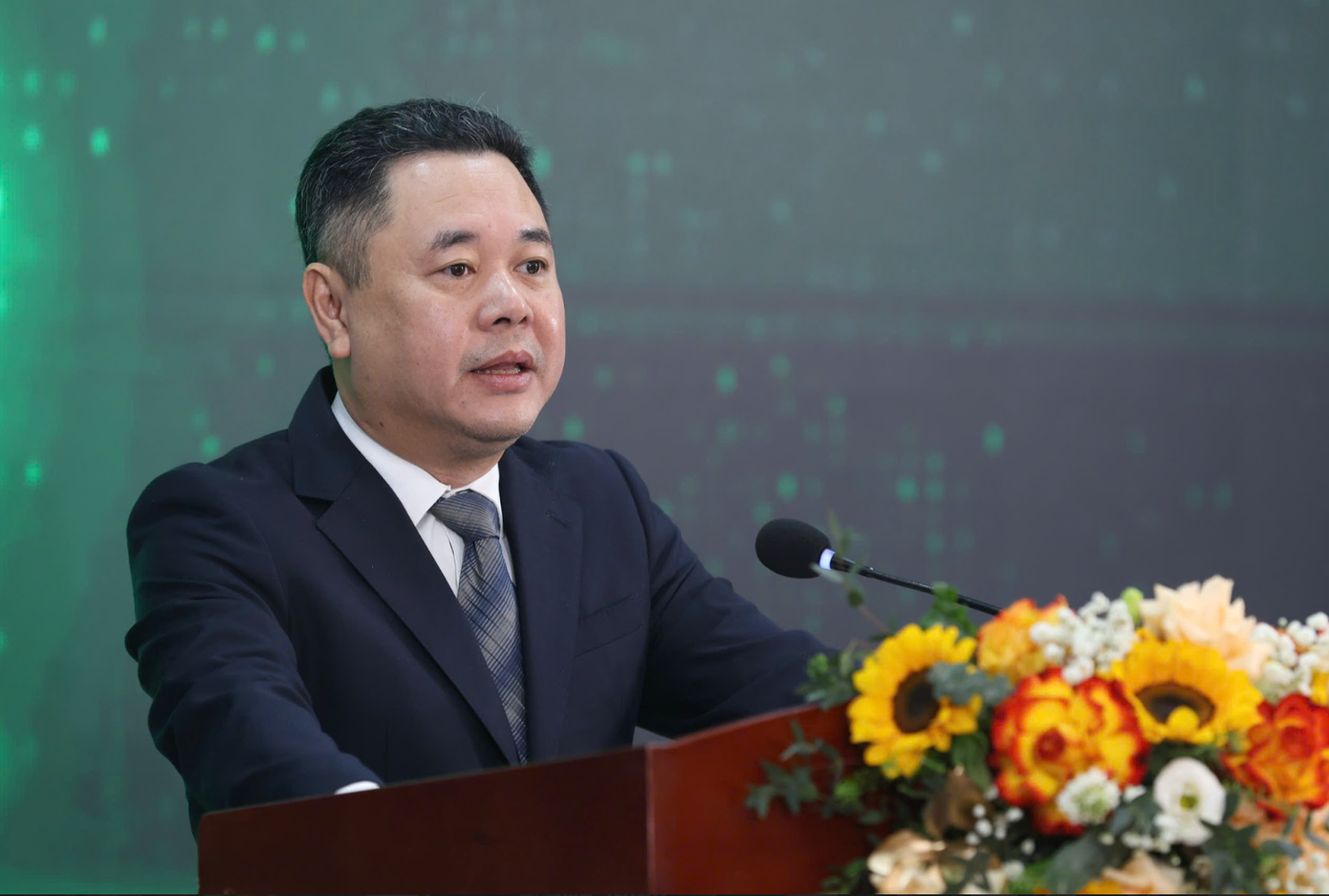
Deputy Governor Nguyen Ngoc Canh.
The Deputy Governor noted that banks have actively developed green capital mobilization products and green credit to fund projects benefiting the environment, climate change adaptation, and sustainable circular production models. Consequently, green credit activities have expanded in scale and growth rate in recent years.
As of November 30th, green credit debt reached approximately VND 750 trillion, with an average annual growth rate of 21% from 2017 to 9/2025, surpassing the overall credit growth of the economy. This highlights banks’ and credit institutions’ commitment to green growth and sustainable development financing.
Despite the banking sector’s efforts, the Deputy Governor emphasized the need to diversify financial resources, involving both domestic and international capital channels, especially from the private sector and capital markets (stock markets), to support the country’s green transition and sustainable development.
“Expanding green financial investment channels from various sectors and markets not only reduces pressure on the banking system but also facilitates more flexible, safe, and efficient medium- to long-term capital mobilization for the nation’s shared goals, aligning with global green finance trends,” the Deputy Governor affirmed.
To find feasible solutions for effective capital mobilization and utilization in the national green transition, the Deputy Governor stressed the importance of clarifying the role of capital markets and stock exchanges in mobilizing medium- and long-term resources for sustainable development. This includes developing the green capital market, promoting sustainable financial instruments like green bonds and ESG-compliant stocks, and enhancing enterprises’ and investors’ capacity to access, utilize, and monitor these financial products effectively.
Numerous Barriers Remain
Mr. Vuong Van Quy, Deputy Head of Credit Policy at Agribank, noted that despite Vietnam’s significant potential in green capital development, green credit expansion faces notable obstacles.
The lack of transparent information, standardized emission measurement systems, and environmental impact assessments make it challenging for banks to evaluate green projects’ effectiveness and risks. Many businesses struggle to meet governance, transparency, and technological requirements, hindering their access to green capital and new funding channels like green bonds.
Mr. Nguyen Ba Hung, Chief Economist at the Asian Development Bank (ADB), highlighted that Vietnam’s high growth targets necessitate substantial capital mobilization, coupled with the urgent need to enhance capital efficiency for sustainable development.
Mr. Nguyen Ba Hung, Chief Economist, Asian Development Bank.
According to Mr. Hung, Vietnam still has considerable room for capital mobilization. Government bond debt is only about 20% of GDP, significantly lower than many Asian countries, while issuance interest rates remain relatively low. However, the capital market structure is imbalanced, with the economy heavily reliant on bank credit, reaching approximately 130% of GDP. The corporate bond market is underdeveloped, with short to medium-term maturities and weak secondary liquidity, failing to meet long-term investment capital needs.
Meanwhile, the stock market, a source of equity capital, remains modest in size relative to GDP and lacks depth in information, limiting long-term capital mobilization for businesses. This increases capital costs for domestic enterprises, especially compared to foreign-invested firms.
Unlocking Major Capital Inflows: Experts Call for More State-Owned Enterprise IPOs and Listings to Boost Market Supply

According to Mr. Hoang, the critical issue is not merely the flow of capital, but whether the market possesses sufficient “commodities” to effectively absorb this capital. In this context, the privatization of state-owned enterprises plays a particularly vital role.
Deputy Governor: Green Credit Outstanding Reaches Approximately VND 750 Trillion

As of November 30, 2025, green credit outstanding debt reached approximately 750 trillion VND, with an average annual growth rate of 21% from 2017 to September 2025, surpassing the overall credit growth rate of the entire economy.
Green Credit Debt Reaches 750 Trillion VND, with Anticipated 2% Annual Interest Rate Support for Green Projects

The State Bank of Vietnam (SBV) is collaborating with the Ministry of Finance to propose a government decree offering a 2% annual interest rate subsidy from the state budget. This initiative aims to support private enterprises and business households borrowing from banks to implement green projects and circular economy initiatives.
CapitaLand Development Sweeps Top Honors at PropertyGuru Asia Property Awards 2025
CapitaLand Development (CLD) Vietnam has been honored with the prestigious “Outstanding Sustainable Real Estate Developer” award, alongside five other distinguished accolades at the PropertyGuru Asia Property Awards (APA) 2025 Grand Final. This marks the fourth consecutive year CLD Vietnam has been recognized at APA, a platform celebrating the region’s most exceptional real estate enterprises and projects.
Phú Quốc Pearl Island Hosts “Phú Quốc Special Economic Zone – Soaring with APEC” Seminar

On December 12, 2023, the “Phu Quoc Special Economic Zone – Taking Flight with APEC” seminar was held in Sunset Town (An Thoi, Phu Quoc), attracting leading international experts in economics, tourism, policy research, and urban planning. This event is anticipated to unlock new opportunities for the Pearl Island to soar to greater heights in the upcoming era.