








It’s not due to groundbreaking design or features—the root cause lies in a simmering crisis within the global supply chain: an unprecedented surge in memory chip prices.
The clearest warning sign didn’t come from Cupertino but from its arch-rival, Samsung. Insiders reveal a pricing “civil war” within the South Korean conglomerate, where the memory chip division has terminated long-term preferential contracts with its sibling, Samsung Mobile.
Instead, they’ve adopted a floating pricing mechanism, updated quarterly. This aggressive move has left TM Roh, head of Samsung’s mobile division, on the back foot, prompting urgent negotiations with Micron to secure DRAM supplies for the Galaxy S26 and avoid being price-gouged by its own parent company.
If Samsung Mobile, a favored giant in its home turf, is struggling, Apple cannot remain untouched. The tech giant heavily relies on Samsung and SK Hynix for DRAM supplies in iPhones, iPads, and Macs.
The core issue? Long-term supply agreements (LTAs) with favorable pricing are set to expire in January 2026. With the world’s two largest memory manufacturers hinting at price hikes, Apple faces three options: reduce device specifications (a no-go for Pro models), accept thinner profit margins (unpalatable to shareholders), or pass the cost burden to consumers.
Analysts predict the third scenario as the most likely.
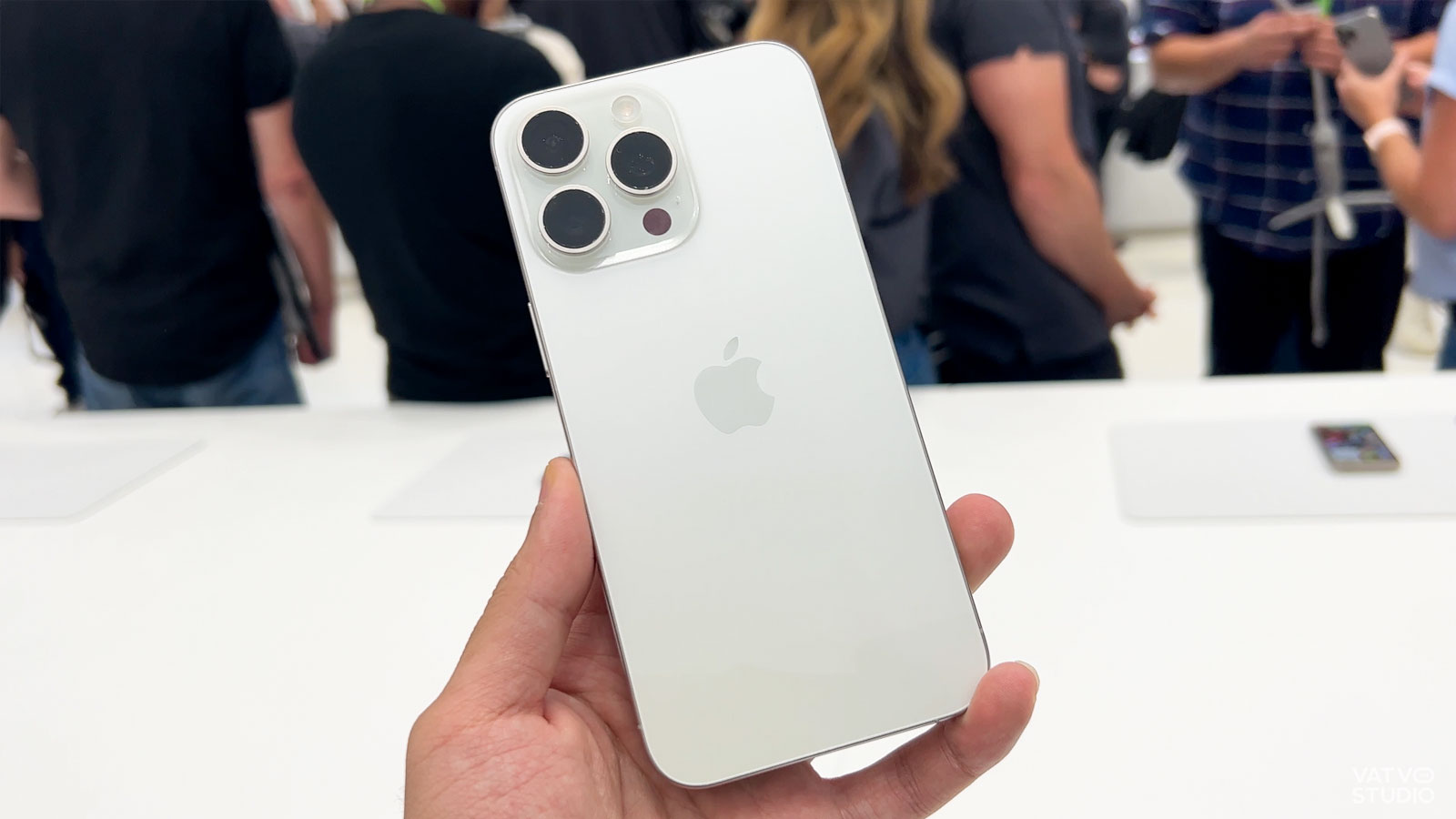
In reality, the 2026 retail price battle has already begun in component negotiations. Tensions rise as DRAM demand soars for AI systems and data centers, while supply tightens.
If Apple acquiesces to new component prices, the ripple effect will impact not just the iPhone 18 series but its entire ecosystem—from foldable iPhones to MacBook Air M5 and MacBook Pro M6. Price hikes are no longer a distant forecast but an imminent reality.
While Apple holds aces like vast cash reserves to absorb short-term costs and a 5G modem self-sufficiency strategy (e.g., the C1 modem in iPhone 16e saving $10/unit), these may not suffice against the global component price storm.
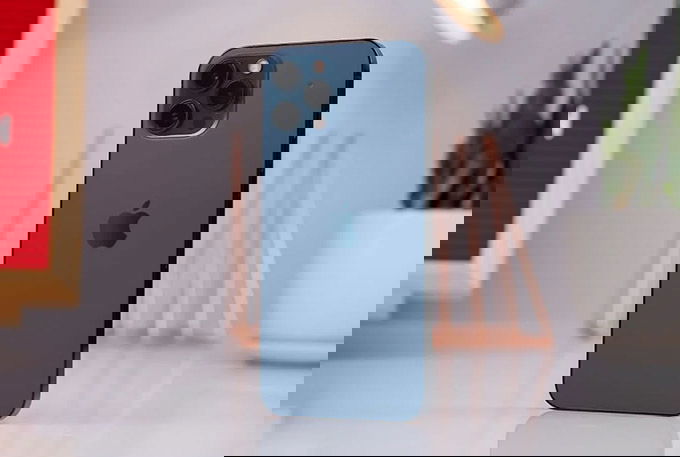
Experts offer pragmatic advice: if upgrading devices is on your radar, consider acting soon. By 2026, today’s “affordable” Apple devices may well become a relic of the past.
Xiaomi Chairman Warns: Smartphones to Become Significantly More Expensive Next Year

Amidst stagnant wages, prices are skyrocketing, leaving many struggling to keep up with the soaring cost of living.
Global Chip Shortage Crisis Deepens: Chinese Smartphone Makers Face Looming Inventory Depletion
The escalating costs of memory chips have thrust Chinese smartphone manufacturers into a precarious dilemma, halting their procurement efforts despite dwindling inventory levels.