















The More Transfers, the More Users Notice the Small Details
For years, bank transfers have been designed around bank accounts. Senders had to accurately input the recipient’s account number, bank name, and related details. This method suited large, planned transactions requiring high control, especially in formal business and payment environments.

However, as transfers became part of daily personal transactions—from splitting meal costs to small purchases and sending money to family—user expectations shifted. For frequent, smaller amounts, convenience became paramount: how fast is the process, how much manual input is required, and are there unnecessary steps?
In this context, long account numbers revealed their limitations. An acceptable step once becomes inconvenient and error-prone when repeated daily or weekly. Users began seeking simpler transfer methods, reducing reliance on technical details, and focusing on the core need: sending money accurately, quickly, and effortlessly.
Phone Number Transfers – Shifting Identification from Accounts to Users
In response, payment systems began rethinking recipient identification. Instead of relying solely on bank accounts, some models adopted personal identifiers—most commonly phone numbers—for transactions. Essentially, this isn’t replacing transfer infrastructure but enhancing the experience. The system still operates on interbank payment networks, adhering to authentication, reconciliation, and security standards, but how individuals are identified in transactions has evolved.
Among fintech companies, MoMo exemplifies this approach. With MoMo transfers, senders use the recipient’s registered phone number instead of a bank account number. Transactions occur within the bank’s app as usual, but the experience is streamlined: senders don’t need to know the recipient’s bank or memorize long account numbers.
Fundamentally, this doesn’t replace traditional transfers. Bank-to-MoMo transactions remain transfers, processed via the NAPAS interbank payment system and meeting all authentication, reconciliation, and security standards. The difference lies in the experience: identification shifts from accounts to users via phone numbers.
This shift reflects a broader trend in digital finance: as technology matures, innovation lies not in adding features but in redesigning human-centric experiences. Phone number transfers aren’t just procedural improvements; they embody a more humane approach—where payment systems serve life, rather than forcing humans to adapt to complex technical structures.
Bank Proposes Establishment of Fintech Company

The bank proposes enabling state-owned banks to proactively invest in and establish Fintech companies and technology firms, ensuring they keep pace with the rapid pace of innovation.
“After Years Without an iPhone, One Month Back and I’m Bitterly Disappointed”

Samsung, despite its reputation for emulation, consistently excels by refining and enhancing what it adopts, setting new standards in innovation and quality.
Latest Developments After Two Weeks of Implementing the Regulation on Gold Transactions Over 20 Million VND via Bank Transfer

Unlock the elegance of gold rings and jewelry without payment hurdles. For purchases exceeding 20 million VND, credit cards, vouchers, and e-wallets are not accepted. Experience seamless luxury with alternative payment options tailored for your convenience.
Emerging Milestone for Ho Chi Minh City’s International Financial Hub

Ho Chi Minh City’s standing on global rankings continues to rise, underscoring its unwavering ambition and potential to emerge as a leading international financial hub.
Transforming Ho Chi Minh City into a High-Tech Financial Hub by 2030: A Strategic Vision
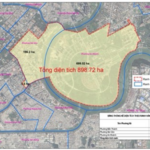
Ho Chi Minh City is rapidly emerging as a global financial powerhouse, with ambitious plans to establish itself as an International Financial Center (IFC) by 2030. What began as a visionary concept two decades ago has evolved into bold, strategic moves to attract global capital and drive fintech innovation. The city’s rising prominence in international financial rankings underscores its unwavering commitment and vast potential to reach new heights on the world stage.