Illustrative image.
As the crucial deadline approaches, tax authorities are working at an unprecedented pace. Regardless of weekdays or weekends, tax officers are directly guiding and resolving issues for business households, ensuring no one is left behind in the transition process.
Since early November, tax agencies nationwide have accelerated the campaign with the goal of “households understand – households trust – households transition,” ensuring all business households fully grasp the tax declaration process. Many localities have implemented solutions to expedite this process.
In Hanoi, for instance, besides organizing training sessions and seminars to guide and address queries for business households, standardizing the tax management directory for these households has been intensified. This ensures all taxpayers are ready for the new method.
In Nghe An province, the “30-day campaign” supporting business households has yielded significant results. For those busy during the day, tax officials proactively provide guidance in the evenings or on weekends, ensuring everyone can access and transition on time. To date, 99.99% of taxpayers in Nghe An have installed eTax Mobile, and all households with revenue over 1 billion VND have switched to declaration or enterprise status.
All activities across localities are proceeding urgently to meet the deadline, helping 100% of business households submit electronic taxes and declare on time before January 1, 2026. This marks the official end of the lump-sum tax method, transitioning to declaration based on actual data. So, what should business households do and prepare for this shift? Here are 7 key points for business households.
First, determine the business scale group. Based on revenue and business field, identify which group you belong to, whether tax-exempt or taxable, and apply the correct declaration method accordingly.
Second, conduct inventory checks at the transition point. For households opting to pay taxes based on profit, inventory checks help determine the value of remaining goods, serving as a basis for calculating costs and revenue during the declaration period, avoiding data discrepancies or future tax reassessments.
Third, register for electronic invoices (if mandatory). Households with revenue over 1 billion VND should proactively register and familiarize themselves with issuing electronic invoices as per the new regulations.
Fourth, prepare accounting books. Business households must maintain complete records, including revenue, expenses, and goods purchased and sold.
Fifth, update business registration and tax information. Households should review and update details such as business sector, location, representative information, and tax payment methods if changes have occurred.
Sixth, open a separate bank account for business activities. Business households are advised to open a dedicated bank account to avoid confusion between business and personal funds, reducing risks during tax authority’s cash flow verification for declaration purposes.
Seventh, declare taxes for business activities. After completing all preparations, business households must declare taxes on time and in accordance with regulations.
Tax Expert: Transforming Tax Management Models, Empowering Businesses with Data Autonomy

“Transitioning to the self-declaration method empowers us to independently declare, calculate, submit, and take full responsibility for our tax obligations. Under this system, tax authorities no longer determine estimated revenue, eliminating any possibility of manipulating figures through relationships with tax officials. We retain complete control over our data by self-declaring and electronically filing taxes, ensuring the tax authority has no influence over the submission process.”
New Proposal on Tax Management Profiles and Procedures for Business Households

The Ministry of Finance is seeking public input to finalize a draft Circular outlining tax management procedures and documentation requirements for business households and individual entrepreneurs.
Tax Experts Highlight Hoàng Hường, Hằng Du Mục, Ngân 98, and Mailisa
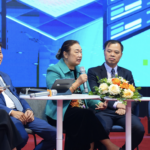
Mrs. Nguyen Thi Cuc, Chairwoman of the Vietnam Tax Consultants Association, recently highlighted a surge in online cases involving counterfeit goods, substandard products, and large-scale tax evasion. She warns that individuals and households employing tactics like using multiple bank accounts, fragmenting transactions, and concealing revenue often face consequences far exceeding the amounts they attempt to evade.
How Do Household Businesses File Taxes with Annual Revenues Between 500 Million VND and 3 Billion VND?

Business owners are currently grappling with the question of whether they can deduct up to 500 million VND in revenue when calculating their tax obligations.
Tax Expert: Rental Income Exceeding 500 Million VND/Year, No Pension, No Family Deductions, Still Subject to 10% Tax

According to experts, even in cases where the lessor is elderly, without a pension or other regular income, they are still required to pay a total tax rate of 10% on their revenue.