














Urbanization’s Biggest Bottleneck: Transportation
Speaking at the 2025 Year-End Review and 2026 Task Deployment Conference, Minister of Construction Tran Hong Minh emphasized that rapid urbanization, coupled with a surge in population density and vehicles, has outpaced infrastructure development. This mismatch has led to severe consequences such as traffic congestion, flooding, land subsidence, and a decline in living standards, particularly in Hanoi and Ho Chi Minh City.
According to Minister Minh, urban issues like flooding and land subsidence are often viewed in isolation, but their root cause lies in inadequate transportation planning and urban space utilization. The piecemeal expansion of road networks, without integration with public transit and underground infrastructure, has placed excessive pressure on the ground. Urban areas, however, have finite load-bearing capacities.
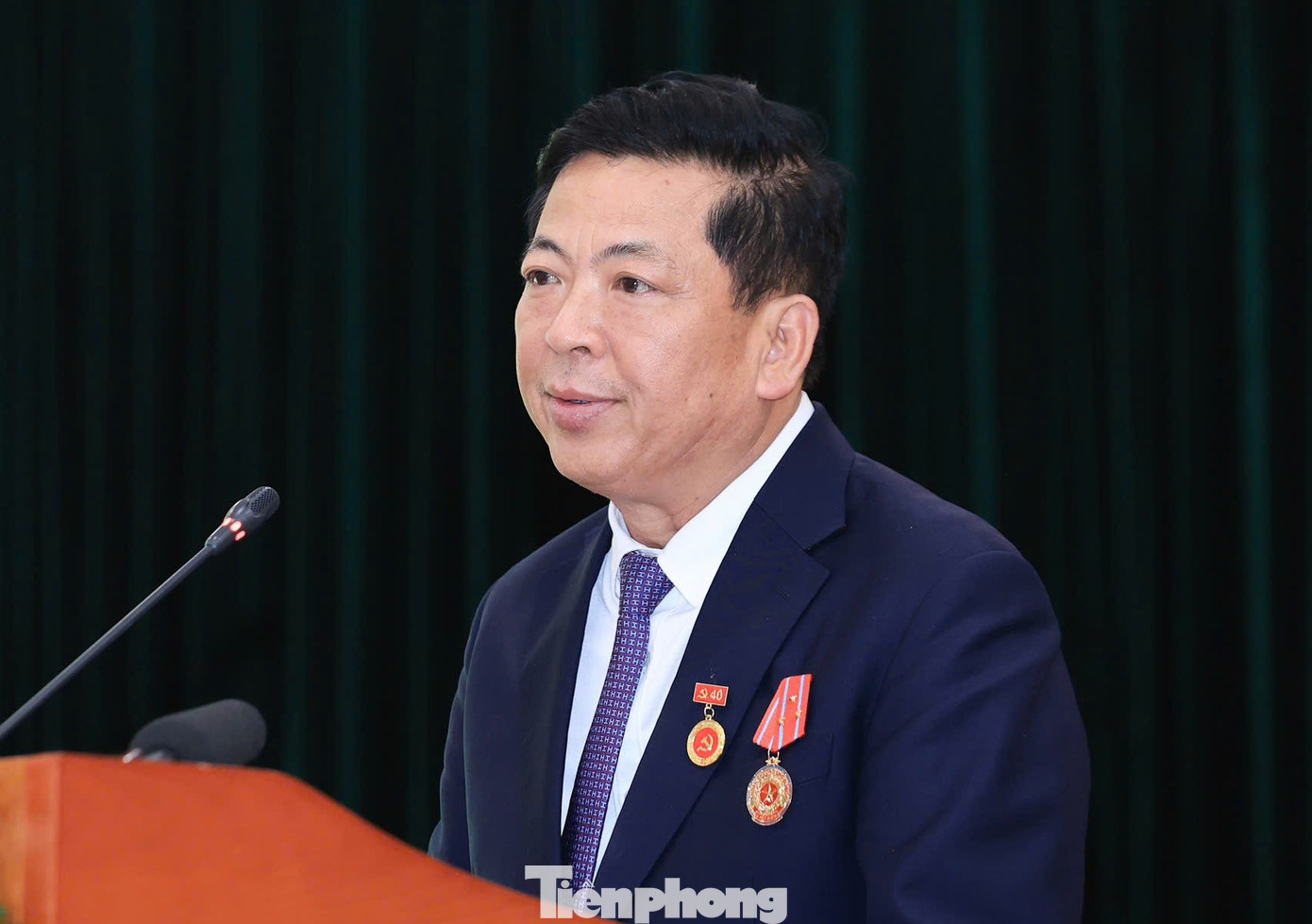
Minister of Construction Tran Hong Minh. Photo: Loc Lien.
In Ho Chi Minh City, several new urban areas have experienced sidewalk and road infrastructure subsidence of up to 40cm. Minister Tran Hong Minh attributed this not only to geological conditions but also to inadequate initial planning for traffic organization and infrastructure load-bearing capacity. As private vehicles, especially heavy-duty ones, increase rapidly, the continuous pressure on road foundations makes subsidence inevitable.
In light of these challenges, the Ministry of Construction advocates for an adaptive and sustainable approach to urban transportation. Transportation is not merely about mobility; it is intrinsically linked to structural safety, drainage efficiency, and environmental quality. With climate change increasing the frequency of heavy rainfall, outdated transportation infrastructure will only heighten urban vulnerability.
Public Transportation: An Irreversible Path Forward
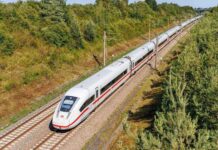
Minister Minh asserts that developing green and high-capacity public transportation is imperative. Digital transformation in traffic management, infrastructure optimization, and emission reduction are underway to decrease reliance on private vehicles. For major cities, investing in public transit is essential not only to alleviate congestion but also to reduce pressure on land and technical infrastructure.
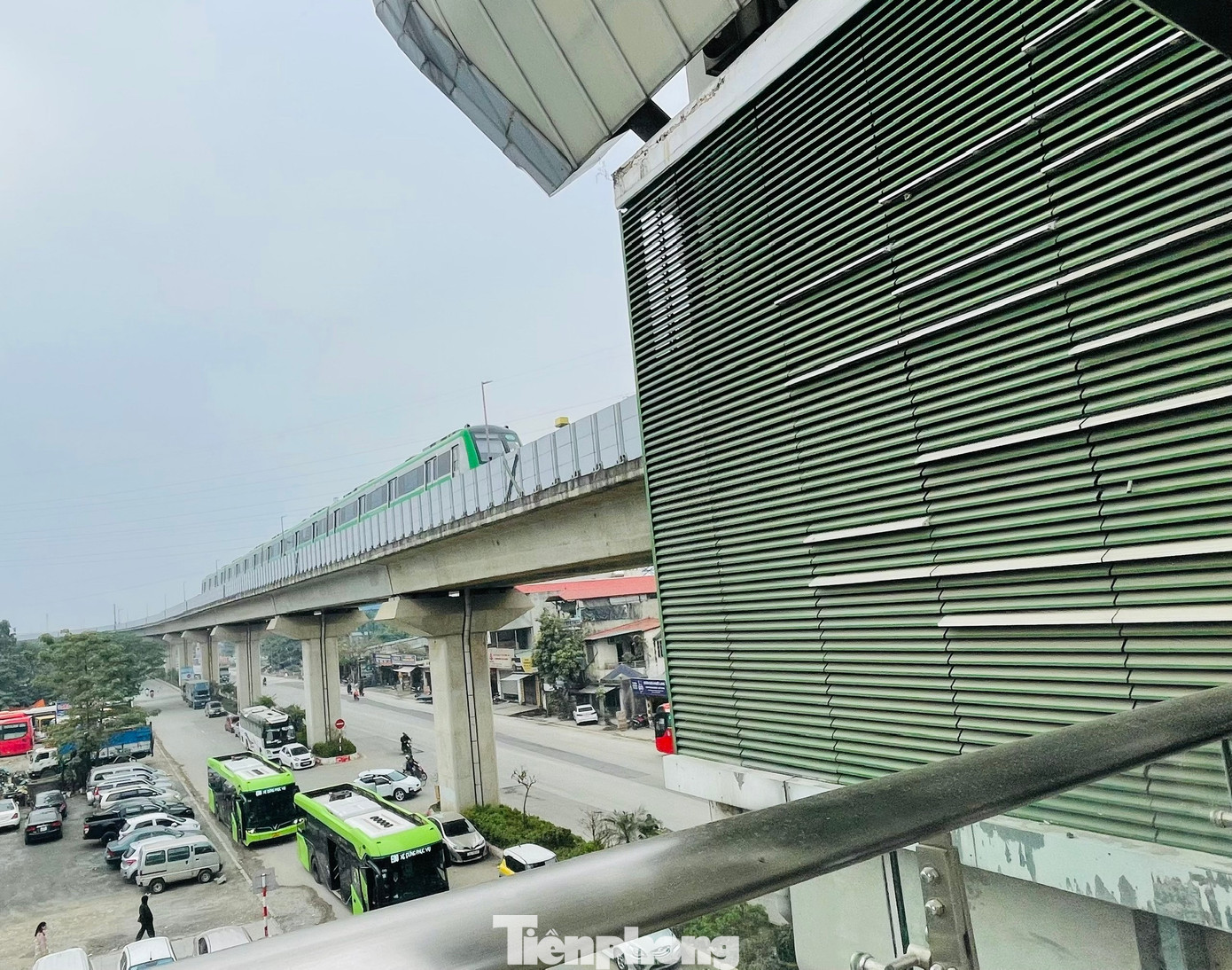
Developing green and high-capacity public transportation is crucial for urban mobility. Photo: Loc Lien.
High-capacity public transportation, according to Minister Minh, must be integrated with underground infrastructure. Lessons from high-density countries like China demonstrate that metro and urban rail systems are most effective when embedded within a synchronized underground infrastructure framework, accompanied by policies restricting private vehicles. Hanoi and Ho Chi Minh City should persist in this approach rather than solely relying on road expansion.
Transportation is also an indirect contributor to worsening urban flooding. Extensive concretization of roads, coupled with non-compliant stormwater drainage systems, obstructs surface runoff. Even moderate rainfall can paralyze many roads. Technical standards dictate that drainage inlets should be spaced 20-25 meters apart, but in reality, this distance is often much greater, with some inlets even removed during traffic upgrades.
To address this, Minister Tran Hong Minh advocates for integrating transportation and drainage systems into a unified design. Japanese cities exemplify this with open channels and forced pumping stations, where transportation infrastructure is aligned with drainage directions. Ahead of heavy rains, systems are preemptively discharged to create additional storage capacity, minimizing road flooding.
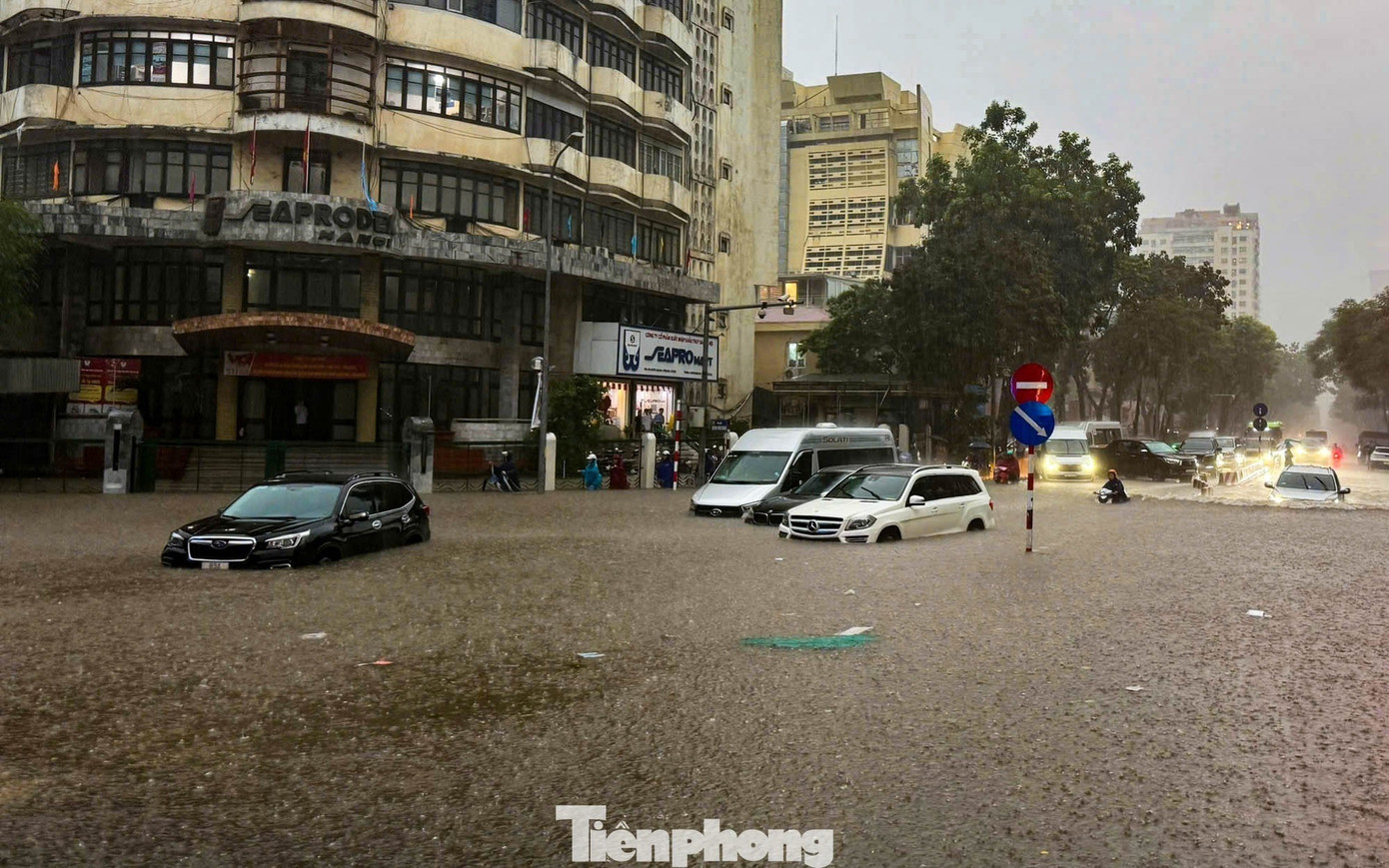
Minister Tran Hong Minh emphasizes the need for integrated transportation and drainage systems. Photo: Duy Pham.
Even in established areas of Hanoi and Ho Chi Minh City, transportation infrastructure faces significant risks. Many historic inner-city streets have long been overcapacity, with narrow roads and weak structures bearing heavy traffic loads. According to Minister Minh, upgrading these areas requires comprehensive urban renewal, including resident relocation and reconfigured traffic spaces, rather than isolated street-by-street interventions.
To address persistent bottlenecks, the Ministry of Construction stresses the importance of aligning transportation planning with the Urban Master Plan. The implementation of the Capital Law and new inter-agency coordination mechanisms presents an opportunity for Hanoi and Ho Chi Minh City to accelerate critical transportation projects, particularly public transit and underground infrastructure.
Minister Tran Hong Minh concludes that transportation investment is not just about immediate congestion relief but also about ensuring the long-term adaptability and sustainability of megacities. Only through integrated, environmentally friendly transportation systems linked with underground infrastructure can issues like flooding, subsidence, and urban overload be fundamentally resolved.
Urban Flooding and Traffic Overload: Minister of Construction Speaks Out

As urbanization accelerates, cities like Hanoi and Ho Chi Minh City face critical challenges when infrastructure, particularly transportation, fails to keep pace. According to Minister Trần Hồng Minh, this mismatch leads to severe consequences such as traffic congestion, flooding, and infrastructure subsidence. To address these issues, both cities must adopt an integrated and long-term approach to urban development.
Exclusive Investment Opportunity: December 13-19, 2025 – Three Mega Urban Projects, Nearly $10 Trillion in Capital
During the week of December 13-19, 2025, five provinces in Vietnam launched investment calls for six major projects, totaling over 17.9 trillion VND in capital. Among these, three urban development projects stand out, with a combined investment of nearly 10 trillion VND. Additionally, a golf course and a civil aviation component were also included in the investment invitations.
The Comprehensive Overview of the VND 20 Trillion Tu Lien Bridge Project After 7 Months of Implementation
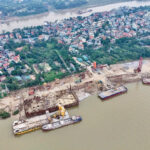
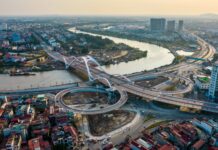
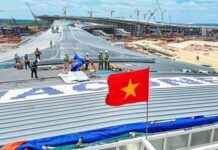
After seven months of construction, the Tu Lien Bridge project spanning the Red River, with a total investment of nearly 20 trillion VND, has begun to unveil its first components on the construction site.
TEDI Chairman Reveals the Story Behind 3,000km of Highways: Workers and Engineers Forced to Improvise for Survival

Mr. Son shared that during stressful periods like the Covid-19 pandemic, while conducting on-site surveys, workers willingly set up temporary shelters outside residential areas. This arrangement ensured both work efficiency and safety amidst the complex and evolving pandemic situation.
Sun Group Joins Forces with Global Leaders to Develop Tô Lịch Riverfront Park Project

The Hanoi People’s Committee and Sun Group officially launched the Renovation, Beautification, and Redevelopment Project of the parks along both banks of the To Lich River on December 19th.