












Public Infrastructure Assets Reach Nearly 12 Million Billion VND
The Ministry of Finance has outlined a comprehensive overview following the nationwide inventory of public assets: over 80,000 units manage 19 types of infrastructure assets. Among these, fixed assets within agencies and organizations account for the highest number, nearing 79,900 units. Road infrastructure assets total nearly 8,900 units, while cultural and sports facilities at commune, village, and ethnic cultural levels number around 9,300 units.
Other infrastructure categories include railways, urban railways, inland waterways, aviation, maritime, clean water, irrigation, markets, industrial clusters, industrial zones, economic zones, high-tech zones, centralized information technology, dyke systems, fishing ports, and urban underground utilities.
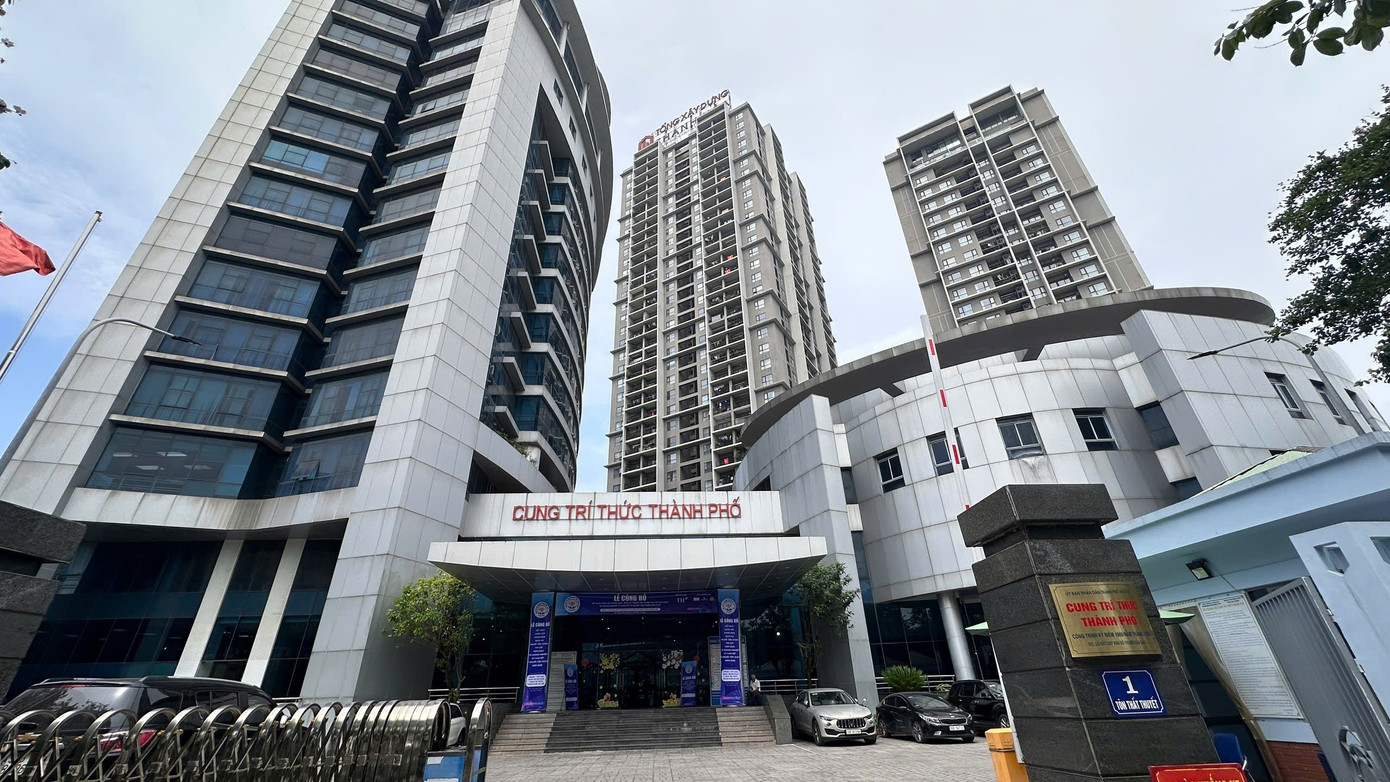
Hanoi Intellectual Palace – one of the public assets currently being restructured and utilized.
The total value of these assets is nearly 12 million billion VND. Fixed assets within agencies and organizations constitute 58.6% of the total value, while road infrastructure accounts for 33%. The remaining assets represent less than 1% of the total value.
Nationwide, over 80,000 units manage 19 types of infrastructure assets, with a total value of nearly 12 million billion VND. Fixed assets within agencies and organizations make up 58.6% of the total value, while road infrastructure accounts for 33%.
The Ministry of Finance reported that during the inventory process, some units were found to possess assets not recorded in their accounting books or were using assets for unauthorized purposes. Post-inventory, authorities identified 4,800 infrastructure assets that were damaged or non-functional but had not been repaired, primarily in the clean water and irrigation sectors.
The Ministry of Finance has submitted a draft Decree on the management, use, and exploitation of state-invested infrastructure assets. The draft outlines strict principles and methods for allocating infrastructure assets. Assets managed by central or local authorities will be allocated accordingly to agencies and units at the same level.
Allocation methods are diverse, ranging from increasing assets for state agencies and public service units to leasing to enterprises with or without state capital inclusion, and leasing with asset value reimbursement. This approach ensures that asset management aligns with organizational models and specific usage objectives.
Commenting on the draft, the Ministry of Construction noted that public asset management in the infrastructure sector is governed by multiple documents. The draft decree should be developed with a focus on decentralization and empowerment, fostering proactive mechanisms for asset managers and encouraging socialization to diversify resources.
Assigning Responsibility to Prevent “Common Property Neglect”
Given the constraints of the state budget, public asset management must not only preserve value but also optimize exploitation to generate sustainable revenue for reinvestment. The Ministry of Finance proposes managing public assets through methods such as direct exploitation, leasing exploitation rights, transferring fee collection rights, or time-limited exploitation rights transfers.
These methods are linked to public auction mechanisms and market-based pricing principles. Revenue management from exploitation is clearly defined to ensure both reinvestment resources and accountability.
The draft fully outlines asset handling procedures, including recovery, transfer, sale, liquidation, or disposal in cases of loss or damage, with primary authority granted to ministries, sectors, and provincial People’s Committees.
Depreciation calculation and asset write-offs are mandated. Assets must fully reflect depreciation values during use. Public service units self-funding their regular and investment expenses must implement depreciation for managed assets. This regulation positively pressures managers to use assets efficiently and avoid the “common property neglect” mindset.
Industrial zones, economic zones, export processing zones, and industrial clusters lease land to investors for constructing factories, offices, warehouses, and service facilities. Support services (such as dining, parking, ATM installations, vending machines, LED screens, and charging stations) are also legally exploited. These “value-added spaces” ensure public assets serve state management goals while generating reasonable revenue and improving services for workers and businesses.
Leasing infrastructure asset exploitation rights introduces a more flexible mechanism for mobilizing social resources. The state can lease the exploitation rights of all or part of existing infrastructure assets (excluding those related to defense, security, non-revenue-generating assets, or special cases).
Lease terms are determined based on asset type and must be approved in the leasing plan, ensuring a balance between state and investor interests.
Experts emphasize that the core issue is not just tightening management but effectively handling surplus public assets. Speaking with Tiền Phong, Mr. Đặng Hùng Võ, former Deputy Minister of Natural Resources and Environment (now the Ministry of Agriculture and Environment), noted that many countries retain necessary public assets while auctioning surplus assets. Post-restructuring and downsizing, appropriate solutions are needed for surplus assets.
“We already have the Law on Public Asset Management and Use and its guiding decree. Developing a new decree requires reviewing to avoid overlaps and inconsistencies between documents. Leasing public assets risks waste. Surplus public assets should be sold to the private sector to maximize their value,” Mr. Võ suggested.
Đắk Lắk Province proposed that the drafting board provide specific guidance on commune-level asset exploitation, including contract forms, auction/bidding mechanisms, supervision responsibilities, reporting, and revenue-expenditure settlement.
Nghệ An Province requested the drafting board study and supplement regulations on land use and leasing by public service units and enterprises. This ensures alignment between asset management and land use rights, providing a legal basis for enterprises to fulfill their rights and obligations during asset operation.
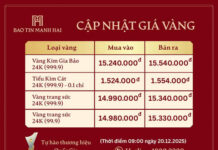
Gold Price Last Week: Surged Then Reversed, Closing Above 156 Million VND per Tael
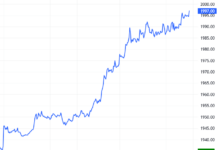
Over the past week, gold prices experienced significant volatility during the early trading sessions, surging dramatically on Monday (15/12/2025) before reversing course and consolidating through the remainder of the week.
Navigating Car Gifting Regulations: Ministry of Finance and Ministry of Industry and Trade at Odds

In response to the exploitation of imported cars as gifts for commercial purposes, the Ministry of Industry and Trade has proposed tighter regulations, requiring such imports to be conducted through licensed automobile businesses. However, the Ministry of Finance argues that this approach is unnecessary, potentially overlapping with existing legal frameworks and unduly restricting the lawful rights of individuals and organizations.
Unveiling eWealth by Thien Viet Securities (TVS): The Ultimate Asset Management Platform for Today’s Investors

Elevate your financial journey with eWealth, a revolutionary platform that transcends traditional wealth management. Designed to empower, eWealth delivers a seamless, efficient, and secure experience, ensuring peace of mind at every step of your asset management path.
BIDV Boosts Online Savings Interest Rates for the Second Time in Less Than a Week

Last weekend, the largest bank in the system significantly raised interest rates for online deposits across most terms.
New Proposal on Tax Management Profiles and Procedures for Business Households

The Ministry of Finance is seeking public input to finalize a draft Circular outlining tax management procedures and documentation requirements for business households and individual entrepreneurs.