




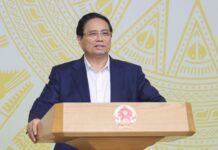









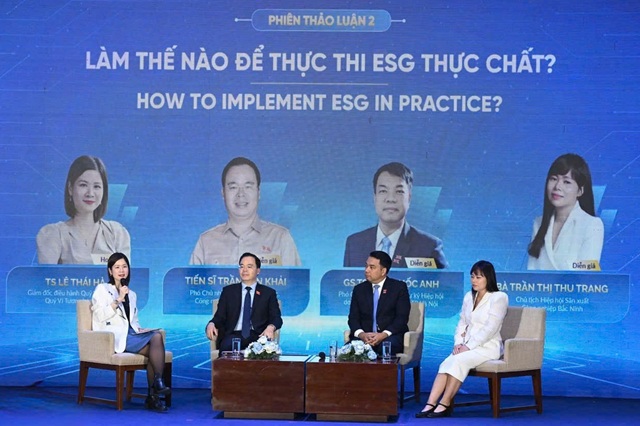
To effectively implement ESG, experts emphasize that green transformation must be closely linked with digital transformation – Image: VGP
|
On the afternoon of December 22, at the Vietnam ESG Forum themed “Science, Technology, and the Driving Force for Sustainable Development,” experts and managers engaged in in-depth discussions on the latest ESG trends, green and digital transformation strategies, and emerging compliance requirements in the region.
According to Mr. Tran Van Khai – Deputy Chairman of the National Assembly’s Committee on Science, Technology, and Environment, Vietnam is facing new development demands, requiring breakthroughs in science and technology, innovation, and sustainable development.
Mr. Khai affirmed that ESG is no longer an option but has become a “passport” for businesses to integrate, attract capital, and enhance competitiveness. However, its value is only realized through genuine implementation.
To effectively implement ESG, Mr. Khai stressed that green transformation must be closely linked with digital transformation. Technology plays a key role in helping businesses improve productivity, ensure data transparency, and access green capital, making ESG a core competitive advantage for Vietnamese enterprises. Mr. Tran Van Khai identified three immediate actions to ensure ESG’s practical implementation.
First, develop ESG criteria and guidelines tailored to different business groups and sectors. The government should establish a common framework, while relevant agencies and the National Assembly should finalize detailed regulations, acting as “companions” and supervisors in implementation.
Second, support businesses in accessing green capital. Given the high investment costs for ESG, appropriate financial mechanisms are needed to help businesses, especially SMEs, access preferential and sustainable financing for effective ESG implementation.
Third, train and develop human resources. This is crucial for businesses to build the capacity needed for ESG implementation, from strategy development and operations to measurement and reporting, ensuring ESG moves beyond policy to concrete action.
According to Ms. Tran Thi Thu Trang – Chairwoman of the Bac Ninh Province Industrial Production Association, ESG implementation should be approached differently for various business groups, rather than applying a rigid, uniform approach.
For large enterprises, Ms. Trang believes proactive ESG implementation is essential. These companies must participate in the “global arena” and comply with international standards to deeply integrate into the global market.
In this process, large enterprises should not only implement ESG for themselves but also lead and support smaller businesses in the supply chain. She noted that alliances between large and small enterprises have proven effective in many countries worldwide.
For SMEs, Ms. Trang recommends focusing on ESG initiatives with clear, measurable benefits, suited to their scale and conditions. Choosing the right approach is critical, as not all solutions are genuinely sustainable.
Discussing ESG implementation in SMEs, Mr. Nguyen Cong Minh Bao – Co-Chairman of the ESG Talk Force, French Chamber of Commerce in Vietnam (CCIFV), noted that SMEs face ESG compliance pressure not only from domestic regulations but also from international markets. Vietnam’s highly open economy means many businesses participate in global supply chains and exports, requiring adherence to stringent standards like the Carbon Border Adjustment Mechanism (CBAM) and sustainability criteria in the US and Europe. Proving environmental friendliness and meeting specific metrics is mandatory to maintain export markets.
Given Vietnam’s commitment to net-zero emissions by 2050, Mr. Bao emphasized the need for clearer regulations, directives, and strategies at both national and corporate levels. Elements like sustainable value chains, green capital access, and sustainable finance must be integrated into a comprehensive green growth strategy.
|
ESG stands for Environmental, Social, and Governance, measuring a company’s sustainability and responsibility across three pillars. ESG is seen as essential for businesses to achieve long-term growth in a globalized and climate-changing world. Certification helps attract investment, meet global standards and legal requirements, and enhance customer trust and support. |
– 20:45 22/12/2025
Public Investment: From Immediate Momentum to a Foundation for Long-Term Development

Amidst the intricate and ever-evolving global and regional economic landscape, traditional growth drivers face mounting pressures. In response, Vietnam is strategically positioning investment, particularly public investment, as a pivotal tool to stabilize macroeconomic conditions, foster growth, and lay the groundwork for long-term sustainable development.
Government and Prime Minister’s Directives and Operations on December 21, 2025

The Government Office has issued a press release outlining the directives and administrative decisions of the Government and the Prime Minister as of December 21, 2025.
Mộc Châu Creamery Brand Launch Event

On December 19, 2025, in Hanoi, Moc Chau Dairy Cattle Joint Stock Company officially launched its new premium brand, Moc Chau Creamery. This event marks a significant milestone in the company’s strategy to build a premium dairy ecosystem that embodies the heritage of the Moc Chau highlands.
Vinamilk: Unlocking Creative Innovation Through a Legacy of Brand Heritage

Vinamilk has been honored in two prestigious categories at the 2025 Vạn Xuân Awards. Ms. Mai Kiều Liên was recognized as an Inspirational Leader for her innovative leadership and fostering a culture of creativity within Vinamilk. Simultaneously, Vinamilk Green Farm, the first brand to rebrand following the company’s repositioning strategy, was celebrated as a Pioneer in Creative Branding.
Vietnam’s Journey in East Africa: From ‘Guest’ to Direct Dialogue with the Ruling Party’s General Secretary

Amidst the economic challenges and instability of East Africa, Lumitel has emerged as a beacon of transformation over the past decade. With an impressive 95% telecommunications coverage across Burundi, the company has not only connected the nation but also catalyzed a digital revolution. Lumitel stands as a cornerstone of sustainable digital development in Burundi, driving progress and shaping a brighter future.