















Meet Mrs. Lan, owner of a bun rieu noodle shop in Tan Dinh Ward (Ho Chi Minh City), who shares her concerns during a quiet hour. With upcoming expenses looming, she’s unsure how to boost revenue.
A Business Owner’s Dilemma
“Previously, I sold through an app, but their increasing commissions left me no profit, so I paused it. Now, I’m exploring tax declarations and electronic invoicing—it’s overwhelming for someone like me with only a 9th-grade education,” Mrs. Lan explains.
Mrs. Lan and her husband, former factory workers, now run the shop without additional staff. Each day begins with a 1 million VND rent payment, not to mention living expenses.
“Currently, we pay a fixed tax of 720 million VND annually, which continues until 2026. Soon, we’ll face additional costs for software, annual maintenance, invoices, and hiring an accountant for tax filings,” she anticipates.
Most of her ingredients come from Tan Dinh Market, where vendors are also preparing to issue invoices. “If their revenue is below 500 million VND annually, can they provide valid invoices for my shop?” she wonders.

Small food businesses are adapting to tax declarations
She worries about penalties for untimely invoicing, especially during peak lunch hours when she and her husband are busy serving customers. Most individual customers also don’t request invoices.
Meanwhile, Mrs. Huong, owner of a bakery brand in Cau Kieu Ward, is settling her 2025 taxes and closing her tax code. “We once had two outlets and planned to expand, but due to business challenges, we’re splitting into two separate entities,” she shares.
Mr. Tuan, owner of a casual eatery in Gia Dinh Ward, notes his annual revenue is below 500 million VND, exempting him from taxes from 2026. However, he’s unsure how to prove this, as he’s only heard about it through the media without official guidance.
Proactive Steps to Reduce Risk
F&B expert Do Duy Thanh observes that local tax authorities nationwide are actively educating and guiding businesses to transition from fixed taxes to self-declarations. This shift is no longer a long-term plan but is already in motion in many areas.
However, many businesses remain unclear about the specifics, awaiting detailed guidelines on procedures, methods, and criteria. This uncertainty has led to hesitation and caution.
The 3 billion VND revenue threshold is a particular concern. Actual revenue fluctuates seasonally, leaving many unsure if they fall below or exceed this limit, raising fears of incorrect filings or future audits.
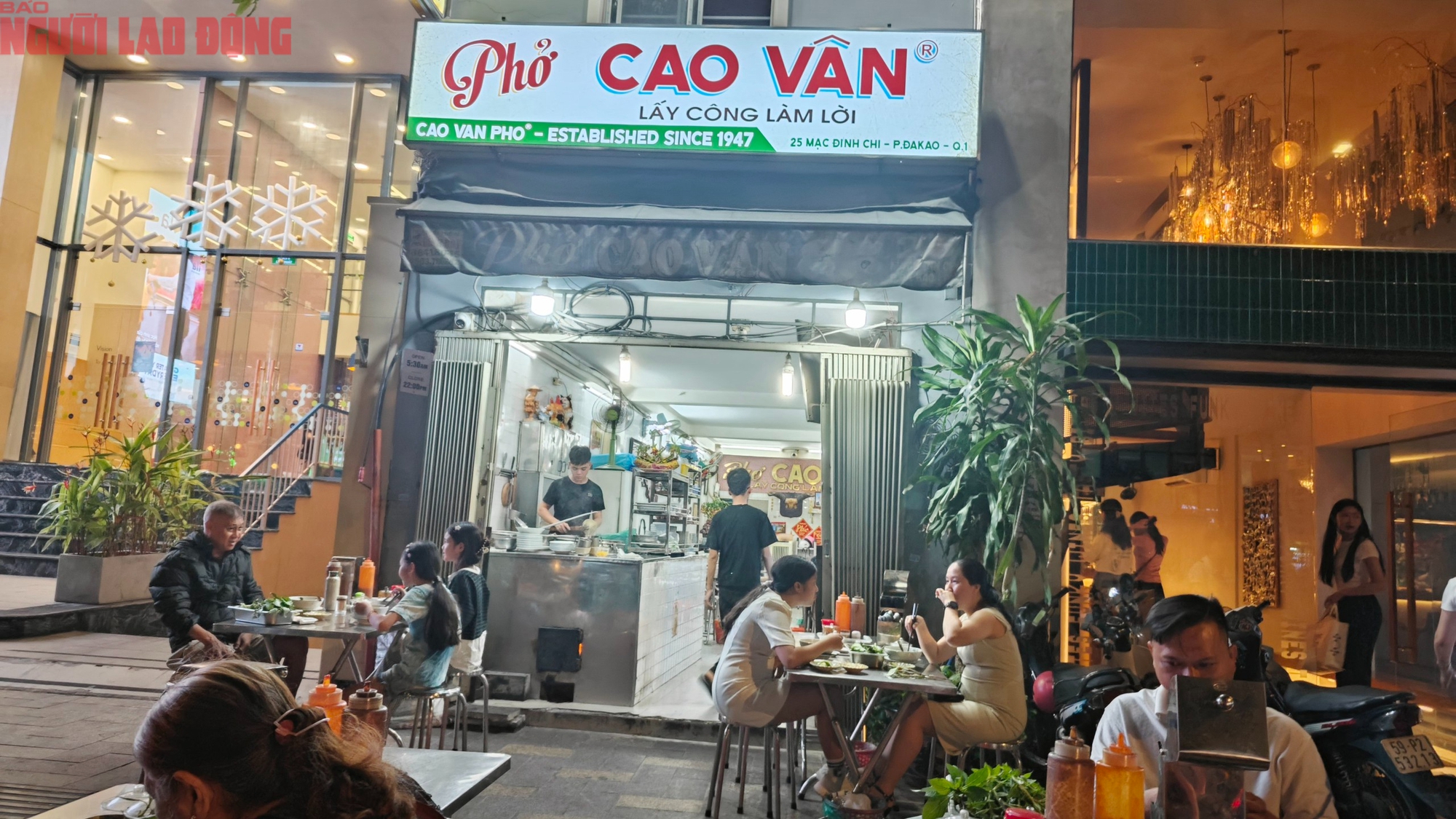
Small-scale food businesses have traditionally relied on hard work for profit
Mr. Thanh advises that the government aims to encourage transparency through self-declarations. For small businesses with stable revenue below 3 billion VND, direct filing is ideal, aligning with their management capacity and reducing compliance pressure compared to corporate models.
Larger businesses nearing or exceeding 3 billion VND in revenue will find maintaining a household business model increasingly uncompetitive. They should consider transitioning to a corporate structure to leverage legal, governance, and tax incentives, such as reduced corporate income tax in early years.
“Don’t wait for a tax audit to make changes. Early preparation, understanding, and choosing the right model will significantly reduce risks and increase readiness for 2026,” Mr. Thanh concludes.
New Proposal Eases Tax Declaration Concerns for Small Businesses Starting January 1, 2026
Small business owners who are not yet tech-savvy will receive automated guidance from the system to file their taxes effortlessly.
Da Nang Transitions to Contract Households: VNPAY Supports Digital Invoicing and Payments

On November 12, 2025, VNPAY and the Da Nang Tax Department signed a cooperation agreement to launch the “60-Day Campaign,” aimed at assisting businesses in transitioning from lump-sum tax to self-assessment. This initiative also promotes cashless payments and the adoption of digital solutions in tax management.
Over 5 Million Household Businesses to Halt Lump-Sum Tax Payments Starting 2026
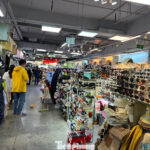
The implementation of electronic invoices, transparent supply chains, and the elimination of lump-sum tax from January 1, 2026, presents a critical challenge for business management capabilities. This shift demands that all business households adapt and evolve to meet the new requirements.
Navigating the Transition: How Small Businesses Can Adopt E-Invoicing Under Decree 70

As of June 1, 2025, under Decree 70, businesses with annual revenue of 1 billion VND or more will be required to use electronic invoices connected to tax authorities. This regulation also applies to those using cash registers or subject to tax declaration methods. It marks a significant step toward transparent business operations but presents considerable challenges, particularly for small and individual business owners.
What Are the Consequences of Renting Out an Undeclared House?
“Renting out properties, whether it’s residential, commercial, or even industrial spaces, has become a significant source of income for many. The rental market is thriving, and for good reason – it offers a steady stream of revenue and can be a lucrative venture for those with the right assets. From cozy apartments to sprawling warehouses, there’s a demand for it all. It’s an exciting time to be a landlord, that’s for sure!”