
















Meet Lan, the owner of a bun rieu noodle shop in Tan Dinh Ward, Ho Chi Minh City. During a quiet hour, she shares her concerns about upcoming expenses and the challenge of boosting revenue.
A Business Owner’s Dilemma
“Previously, I sold through an app, but their continuous commission hikes left me with no profit, so I paused it. Now, in my free time, I’m trying to understand tax declarations and electronic invoicing, which is quite complex for someone like me who only completed 9th grade,” Lan explains.
Lan and her husband, former factory workers, decided to open the shop due to the rigid work hours. They manage everything themselves. Each day starts with a 1 million VND rent payment, not to mention other living expenses.
“Currently, we pay a fixed tax of 720 million VND annually, which will continue until 2026. Soon, we’ll need to cover additional costs for software, annual maintenance, invoices, and hiring an accountant for tax declarations,” Lan anticipates.
She mentions that most of her ingredients come from Tan Dinh Market, where vendors are also preparing to issue invoices. “If these vendors have annual revenues below 500 million VND, can they provide valid invoices for my shop?” Lan wonders.

Small food businesses are getting acquainted with tax declarations.
Lan worries about penalties for incorrect invoicing, especially during peak hours when she and her husband are busy serving customers. Additionally, most individual customers don’t request invoices.
Meanwhile, Huong, owner of a popular banh mi brand in Cau Kieu Ward, is finalizing her 2025 tax settlement and plans to close her tax code. “We used to have two outlets and aimed to expand into a chain, but due to business challenges, we’re splitting into two separate households,” Huong says.
Tuan, owner of a casual dining spot in Gia Dinh Ward, notes that his annual revenue is below 500 million VND, exempting him from taxes from 2026. However, he’s unsure how to prove this, as he’s only heard about it through the media and hasn’t seen official guidelines.
Proactive Measures to Reduce Risk
F&B expert Do Duy Thanh observes that local tax authorities nationwide are actively educating and guiding businesses to transition from fixed taxes to self-declarations. This shift is no longer a long-term plan but is already being implemented in many areas.
However, many businesses remain unclear about the specifics, awaiting more detailed instructions on procedures, declaration methods, and eligibility criteria. This uncertainty has led to hesitation and a wait-and-see approach.
The 3 billion VND revenue threshold is a significant concern. Actual revenues often fluctuate with seasons and peak periods, leaving many unsure whether they fall below or exceed this limit, increasing the risk of errors or future audits.
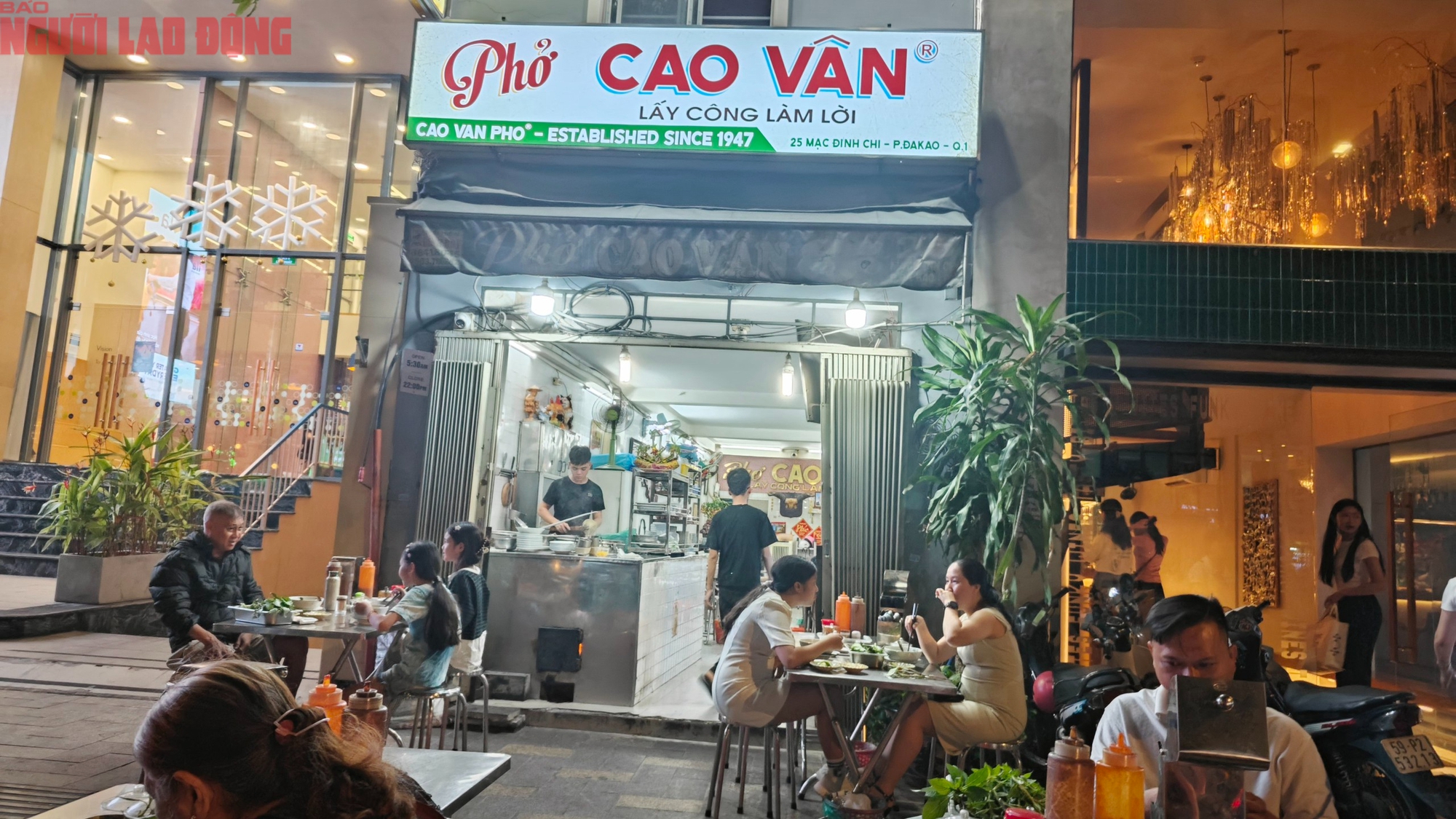
Small-scale food businesses have traditionally relied on hard work for profit.
Thanh advises that the government encourages a gradual transition to self-declarations for transparency. For small businesses with stable revenues under 3 billion VND, direct declarations are recommended to align with their management capabilities and reduce compliance pressure compared to corporate models.
Larger businesses with revenues nearing or exceeding 3 billion VND will find maintaining a household model increasingly uncompetitive. They should seriously consider upgrading to a corporate structure to leverage legal, governance, and tax incentives available to new enterprises.
“Don’t wait for a tax audit to make changes. Early preparation, accurate understanding, and choosing the right model will significantly reduce risks and increase readiness for the 2026 phase,” Thanh concludes.
Regulations on the Establishment and Operation of Commodity Exchanges in International Financial Centers

The Vietnamese government has issued Decree No. 330/2025/NĐ-CP, outlining regulations for the establishment and operation of a Commodity Exchange within the International Financial Center in Vietnam.
Deputy Minister of Science and Technology Urges Intel to Accelerate Semiconductor Technology Transfer to Vietnam

Since 2006, Intel Corporation has invested a staggering $1.5 billion in its Vietnam-based manufacturing facility, Intel Vietnam, with the final investment tranche completed in January 2021.
Unbelievable Luck: Jaw-Dropping Vietlott Jackpot Wins That Defy Odds

Over the past years, numerous individuals have won staggering Vietlott jackpots worth tens, and even hundreds of billions of Vietnamese dong, all from purchasing lottery tickets in the most serendipitous of circumstances.
IDICO Leadership: Industrial Land Rental Prices to Rise in 2026, but No Sudden Spikes

According to the CEO of IDICO, the mechanisms and regulations for establishing industrial parks (IPs) have become more open and favorable. This shift will pave the way for the development of numerous new IPs in the near future, offering businesses expanded investment options and intensifying market competition. While land rental prices are expected to rise due to increasing input costs, the rate of increase will be more moderate compared to previous years.
Hit Executives Where It Hurts: Financial Incentives to Reduce Corporate Waste

Tying executive compensation to ESG performance can effectively curb short-termism, elevating environmental accountability to a measurable priority directly linked to leadership career trajectories.