















Peak at Over 177 Million VND per Square Meter
The Department of Agriculture and Environment (DAE) of Can Tho City has recently submitted a draft land price table to the People’s Committee and the Appraisal Council of Can Tho City. This new land price table is expected to be implemented from January 1, 2026, replacing the current one in effect since 2024. The updated table is based on market surveys and factors arising from the merger of Can Tho with Hau Giang and Soc Trang provinces.
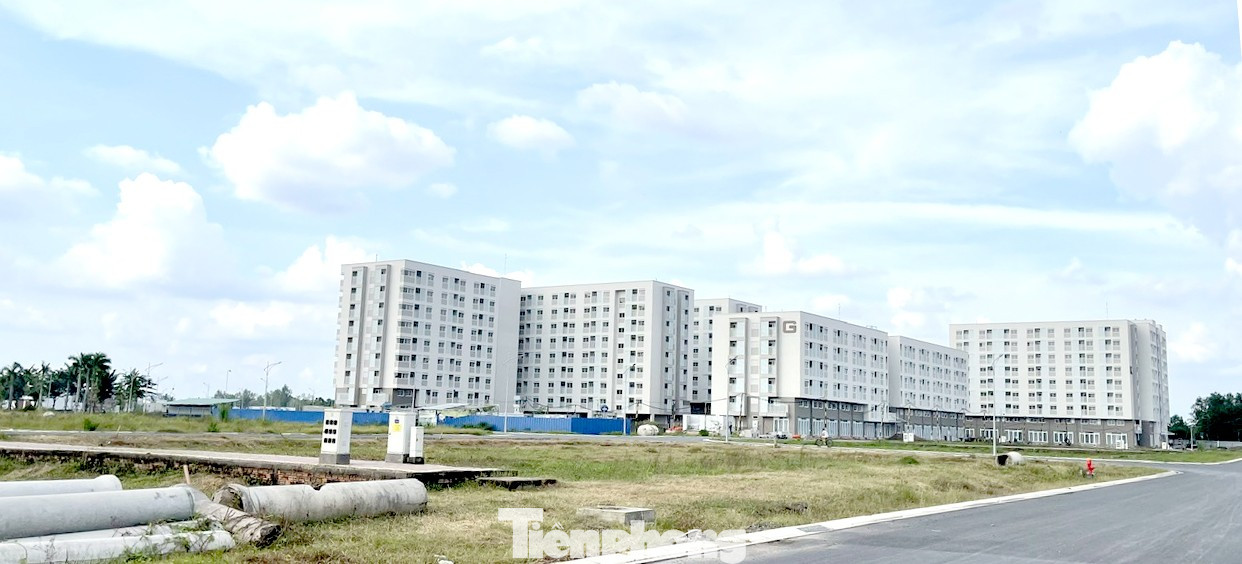
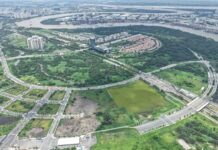
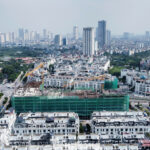
If approved, the new land price table will set a new benchmark for property values in Can Tho (Illustrative image).
The DAE proposes maintaining the current land prices in the former Hau Giang and Soc Trang provinces, with increases in specific areas based on market trends and residents’ income levels.
Specifically, residential land prices in the following wards will increase by 20-40% compared to 2024: Ninh Kieu, Cai Khe, Tan An, An Binh, Thoi An Dong, Binh Thuy, Long Tuyen, Cai Rang, Hung Phu, O Mon, Phuoc Thoi, Thoi Long, Trung Nhut, Thuan Hung, Thot Not, and Tan Loc.
With these adjustments, the highest land price in Can Tho will exceed 177 million VND per square meter, located on Hoa Binh Street in Ninh Kieu Ward, marking a 29 million VND increase from the previous rate. The lowest price in Ninh Kieu Ward will be 9.5 million VND per square meter for land in alleys, a 2.7 million VND increase.
In Cai Khe Ward, the highest price will be 114 million VND per square meter on Nguyen Trai Street, a 19 million VND increase. Tan An Ward will see a peak of over 59 million VND per square meter, a 14 million VND rise. O Mon Ward’s highest price will be over 32 million VND per square meter, a 10 million VND increase. An Binh and Binh Thuy Wards will peak at 28-29 million VND per square meter, while Cai Rang Ward will reach 19 million VND per square meter.
A 5-10% increase is proposed for residential land in communes such as Phong Dien, Nhon Ai, Thoi Lai, Dong Thuan, Truong Xuan, Truong Thanh, Co Do, Dong Hiep, Trung Hung, Vinh Thanh, Vinh Trinh, Thanh An, Truong Long, Thanh Phu, Thoi Hung, and Thanh Quoi.
For non-agricultural production land in Can Tho, the proposed rate is 70% of the residential land price, while commercial and service land will be 80% of the residential land price.
Agricultural land in central wards is expected to increase by 20-40%, with 10-20% increases in former Hau Giang and Soc Trang wards, and 5-10% in other communes. The DAE calculates that agricultural land in central wards like Ninh Kieu, Cai Khe, Tan An, An Binh, and Binh Thuy will peak at 350,000 VND per square meter for perennial crops and 227,000 VND per square meter for annual crops.
The lowest agricultural land prices will be in communes such as Gia Hoa, Nhu Gia, Thuan Hoa, Vinh Loi, and Trung Hung, ranging from 45,000 to 53,000 VND per square meter.
Increased Revenue but Limited Market Excitement Expected
The DAE anticipates that the 2026 land price table will boost budget revenue from land-related taxes, including land use fees, land-use purpose conversion fees, land use right transfer taxes, and registration fees. This increased revenue will support infrastructure development and attract investment, fostering socio-economic growth.
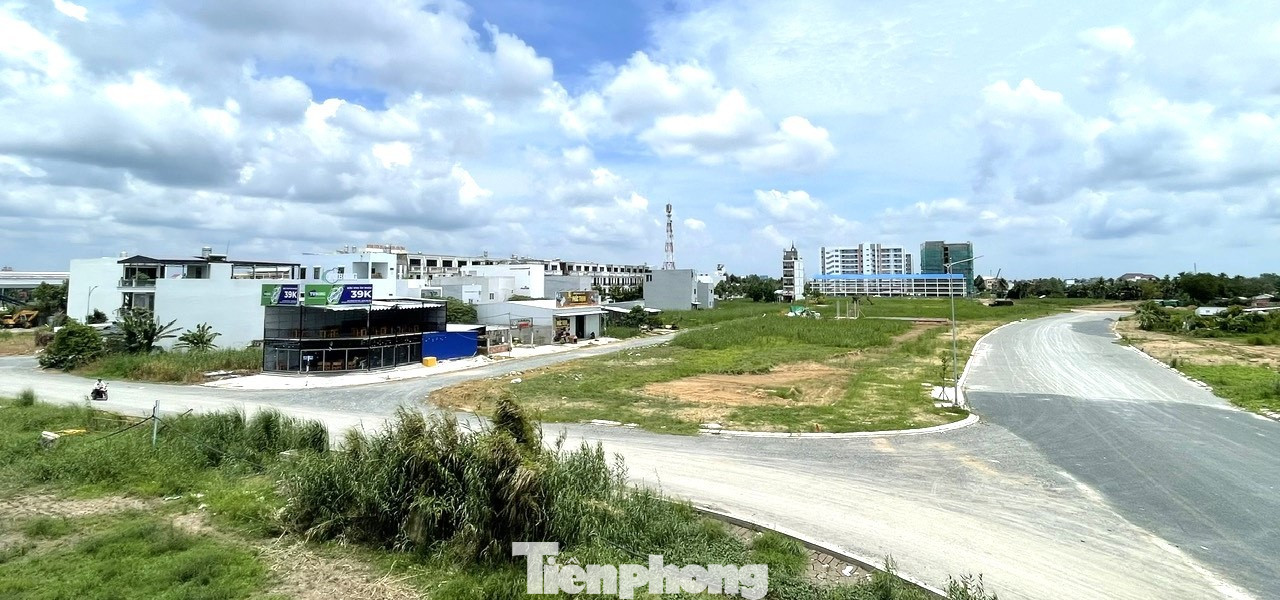
Legal issues have hindered many real estate projects in Can Tho, dampening market activity (Illustrative image).
However, the increased land prices may burden households and individuals with higher financial obligations, such as non-agricultural land use taxes and land-use purpose conversion fees within limits.
The DAE assures that the new prices reflect market realities and ensure fairness among land users across regions. Thus, the impact on the economy, society, and land users’ livelihoods is expected to be minimal.
A leading real estate company executive in Can Tho told Tien Phong that if the new land price table is approved, central Can Tho’s real estate market will establish a new price baseline. Higher land prices will increase costs for residents and businesses related to budget contributions. Converting agricultural land to residential land will incur higher fees. However, the executive believes the new prices will not significantly alter the real estate market due to persistent legal issues in urban projects, particularly in land pricing for developers to fulfill financial obligations.
Many projects lack land titles, restricting transactions and stifling the market in recent years. Additionally, rising mortgage interest rates may further dampen market activity.
The executive hopes that legal issues in Can Tho’s urban projects will be resolved, especially with the implementation of Resolution 254/2025/QH15, effective from January 1, 2026, which addresses land law challenges. This could revitalize Can Tho’s real estate market.
For Can Tho’s 14 industrial parks and industrial clusters, the DAE proposes maintaining the pre-merger land prices of the former provinces, with additions for newly established zones. This ensures no impact on production, business operations, or investment attraction in these areas.
Haiphong Scrutinizes Ward and Commune Chairpersons’ Accountability in Land Violations
The Chairman of the Hai Phong City People’s Committee has mandated that the Chairpersons of Commune, Ward, and Special Zone People’s Committees assume full responsibility for land management. Failure to promptly address violations will result in accountability measures being taken against them.
70% Reduction in Agricultural Land Conversion Fees Effective January 1, 2026: What Residents Need to Know
As of January 1, 2026, individuals will only be required to pay 30% of the differential amount when converting agricultural land to residential land within the allowable limit, a significant reduction from the current 100% payment.
Exclusive Real Estate Experience: Premier Project Showcase Event Unveiled

Recently, Gold Coast Vũng Tàu emerged as a sensation by hosting a series of sales training events (Mega Training) in a unique cinema-style “premiere” format, right at the movie theater.
Proposed New Land Price Regulations to Take Effect in 2026
The draft Decree detailing and guiding certain provisions of the National Assembly’s Resolution on mechanisms and policies to address challenges in the implementation of the Land Law is currently under public consultation. Notably, it introduces new regulations on the construction and adjustment of land price tables. The Decree is expected to take effect from January 1, 2026.
Khải Hoàn Prime: Reinforcing Legal Standards in Supply for the Southern Region

Signing purchase agreements (HĐMB) this December positions Khải Hoàn Prime Resort as the standout destination in the South, offering a high-quality supply of units with fully completed legal documentation.