


















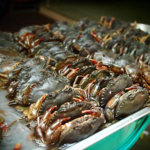
In November 2025, Vietnam’s crab exports showed positive growth signals. Total crab exports reached nearly $10 million, with the U.S. accounting for over 86% of the revenue, a 17% increase compared to the same period in 2024.
For the first 11 months of 2025, according to Vietnam Customs statistics, crab export turnover increased by 9% year-on-year, reaching $81 million. The U.S. market alone achieved nearly $67 million, a 15% rise compared to the same period. This figure represents nearly 83% of Vietnam’s total export turnover.
Demand in the U.S., particularly for pasteurized crab meat products, remains a key driver, as the market heavily relies on imports. According to the U.S. Department of Agriculture, the country has imported approximately 62 million pounds of pasteurized crab meat annually in recent years. However, most of these imports could be affected if the restrictions under the Marine Mammal Protection Act (MMPA) are broadly applied.
Besides the U.S., the EU stands out as a notable bright spot, with export turnover in the first 11 months of 2025 reaching nearly $3 million, a 109% increase year-on-year. Notably, exports to France and Belgium surged by 121% and 952%, respectively. In contrast, exports to CPTPP countries and China declined.
Currently, demand in the EU and CPTPP is shifting towards convenient, safe, and certified products—factors that Vietnam’s processed crab industry is increasingly meeting. This shift presents an opportunity for businesses to transition to deeper processing, enhancing export value.
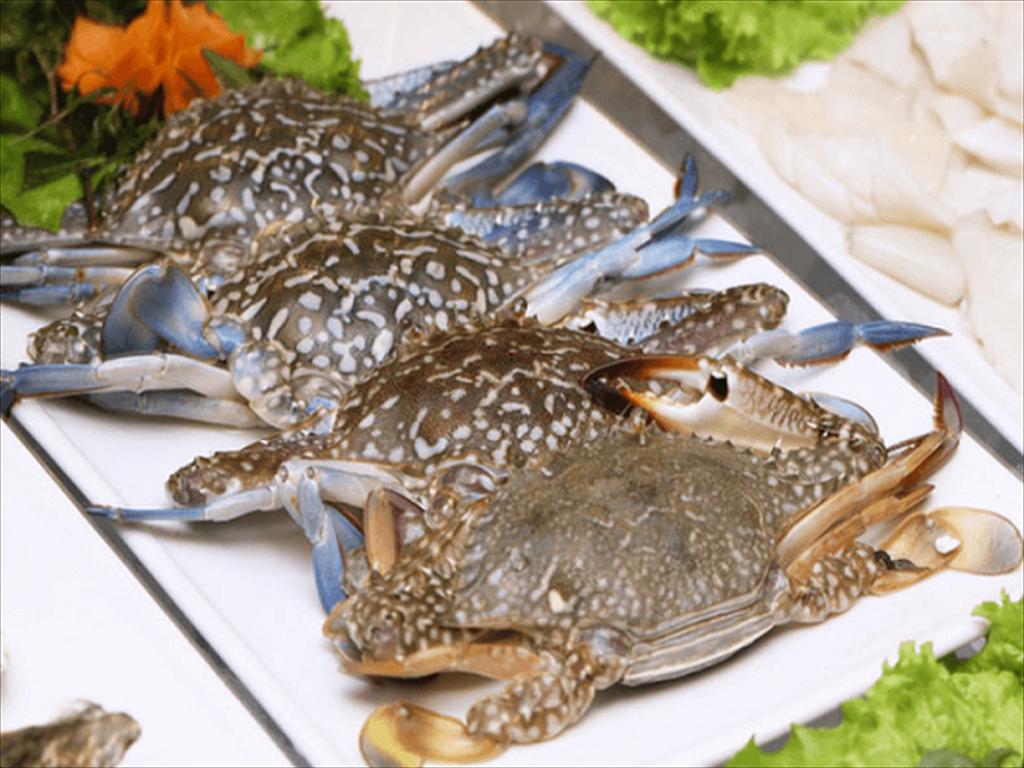
According to the Vietnam Association of Seafood Exporters and Producers (VASEP), the global crab market has become more competitive in recent years due to increased production from major farming nations and stricter import standards in Western countries. However, Vietnamese crabs remain highly regarded for their meat quality, clean production processes, and compliance with international standards. These advantages are crucial for Vietnam to sustain growth in the U.S., EU, and CPTPP markets.
Additionally, importers are increasingly prioritizing traceability, sustainability (MSC, FIP), and value-added processing. This trend requires Vietnamese businesses to adapt quickly in terms of processes and documentation. Such adaptation is also key to reducing dependence on the policy fluctuations of any single market.
With the current growth momentum, VASEP forecasts that Vietnam’s crab exports could maintain growth in 2026 if the U.S. continues to permit imports during the National Oceanic and Atmospheric Administration’s (NOAA/NMFS) review period, and if Vietnam swiftly standardizes compliance dossiers under the MMPA.
Previously, the National Marine Fisheries Service under NOAA determined that seafood products imported into the U.S. from fisheries not deemed “comparable in effectiveness” would be banned from January 1, 2026.
NOAA also noted that even if a shipment is not explicitly banned, it may still require certification to prove it is not associated with prohibited fisheries if it shares the same Harmonized Tariff Schedule (HTS) code or country of origin. This requirement could increase compliance costs and prolong clearance times.
VASEP also anticipates that the EU will likely remain a “pillar” market due to its strong growth. However, this growth will come with conditions: traceability, sustainability, and deep processing are becoming increasingly essential entry requirements.
Vietnam’s Import-Export Sector Hits Record-Breaking $920 Billion Milestone

Total trade turnover is projected to surpass $900 billion by the end of 2025, propelling Vietnam into the ranks of the world’s top 15 trading powerhouses.
Chairman Ho Quoc Luc (FMC): Limited Capacity to Withstand High POR19 Tax Rates
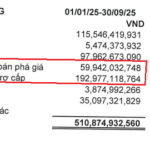
According to the FMC Chairman, the two mandatory respondents in the 19th administrative review of the anti-dumping duty on shrimp (POR19) are highly likely to face documentation issues. This scenario reduces the probability of high tax rates spreading to other companies.
Vietnam’s Underwater Treasure ‘Swims’ to the U.S. and Japan: Exports Skyrocket Over 600%, World-Leading Quality in High Demand
This Vietnamese product is highly acclaimed for its exceptional quality, pristine production process, and compliance with international standards.
Vietnam’s Exports to the U.S. Hit an All-Time High
In the first 10 months of the year, Vietnam’s exports to the United States have already surpassed the total for the entirety of 2024.
Vietnam’s ‘Superfood’ Sensation Captivates Russia: 0% Import Tax & Over 75 Markets Hooked
Since the beginning of the year, this product has generated nearly $800 million in revenue.