













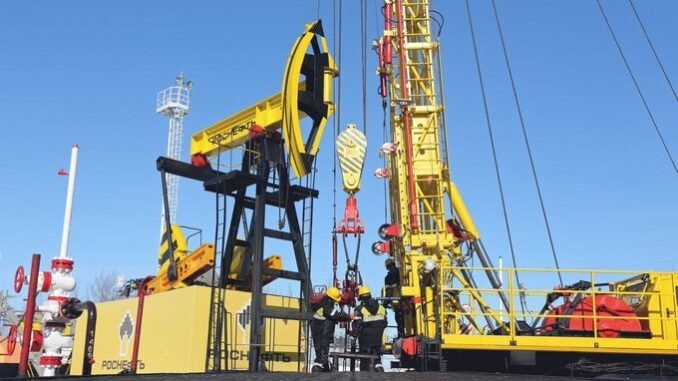
China’s independent refineries are ramping up purchases of Russian crude oil, particularly the ESPO Blend from the Far East, amid newly issued import quotas and record-high discounts on Russian oil. This surge in activity was revealed by traders to Reuters on Tuesday (December 23).
After largely staying out of the market during most of Q4 due to depleted import quotas, many Chinese refineries are now returning to seek out discounted oil shipments. The most active buyers are independent refineries, known as “teapots,” primarily located in Shandong province. The issuance of new import quotas at year-end has paved the way for these refineries to resume their purchases.
According to three trading sources speaking to Reuters, the discount for Russia’s ESPO Blend crude for January 2026 delivery has widened to $7–8 per barrel below the ICE Brent price when delivered to Chinese ports. This marks the highest discount ever recorded for this grade. Over just a few weeks, the discount has rapidly expanded from $5–6 per barrel earlier in December to its current level.
The primary driver behind this trend is the latest U.S. sanctions targeting two major Russian oil companies, Rosneft and Lukoil. These measures have heightened the risk associated with Russian oil, exerting downward pressure on the prices of its exported crude grades, including ESPO—a light, low-sulfur oil typically shipped from Russia’s Far Eastern ports to Asia.
While independent refineries are aggressively buying, China’s state-owned oil giants are proceeding with caution. Market sources indicate that many state firms are avoiding spot ESPO cargoes due to concerns over sanction-related risks. The absence of these major players from the market has further contributed to the price decline of ESPO crude.
Not only ESPO but also Russia’s flagship Urals crude is experiencing similar pressures. Reduced Indian demand for Russian oil, coupled with tightening sanctions, has widened the price differential between Urals and Brent. Reuters sources report that Urals crude for December delivery is being offered at more than $10 per barrel below Brent prices at Chinese ports.
However, for many of China’s independent refineries, the current prices of both ESPO and Urals are deemed “too attractive to ignore.” These cost-sensitive refineries view discounted Russian oil as a strategic choice amid squeezed refining margins.
Another critical factor driving demand is the Chinese government’s recent allocation of new import quotas to independent refineries. With most of the previous quotas exhausted by October, many firms had halted crude purchases. The new quotas, reportedly larger than last year’s, are enabling these refineries to re-enter the market and capitalize on cheap Russian oil.
Not Russia: A Low-Cost Oil Rival Is Dominating China with 7-Year High Exports and Unprecedented Discounts

China is significantly ramping up its crude oil imports from this Asian nation.
Russian Oil Floods BRICS Nation Despite Sanctions

Despite mounting pressure from Western sanctions, India has solidified its position as Russia’s largest consumer of crude oil.
Russia’s Oil Sector Faces Its Toughest Challenge in Five Years

This will mark the most significant shock to Russian oil since 2020.
India Secures Another Massive Discount on Russian Oil as Moscow Pledges to Boost Supplies: What’s Behind the Deal?

India is currently purchasing Russian oil at a significant discount, approximately $5 per barrel below the Brent crude benchmark.
Russia’s Oil Woes: One Nation Slashes Imports by Two-Thirds, 48 Million Barrels Adrift at Sea, and Revenues Plummet to 2.5-Year Low

Turbulent times lie ahead for Russian oil as the U.S. imposes sanctions on Moscow’s largest refining corporations.