




















While Ho Chi Minh City pushes to reduce gasoline vehicles, many apartment buildings restrict electric vehicles from entering basements due to fire safety concerns. Reporter from *Bao Nguoi Lao Dong* spoke with Mr. Bui Hoa An, Deputy Director of the Department of Construction of Ho Chi Minh City, regarding this issue.
Reporter: Mr. An, what are the current fire safety standards and regulations regarding the parking of gasoline and electric motorcycles in apartment basements? Is the separate arrangement of these two vehicle types in compliance with existing regulations?
– Mr. BUI HOA AN: To be frank, specific fire safety standards for parking gasoline and electric motorcycles in apartment basements have not yet been officially issued. Current regulations were primarily developed when fossil fuel vehicles were dominant, while electric vehicles have only gained popularity in recent years.

Mr. BUI HOA AN
Given this reality, the Department of Construction of Ho Chi Minh City has submitted feedback on the draft National Technical Regulation on Infrastructure Systems – Parking Facilities, led by the Ministry of Construction. We agree with the approach of classifying electric vehicles as “green energy vehicles” while emphasizing their unique fire risks.
Based on observations and expert studies, we’ve found that electric vehicles, when malfunctioning, can cause electrical discharges and battery core fires with extremely high temperatures, which are difficult to extinguish with standard firefighting methods. This risk not only affects the electric vehicles themselves but also poses a direct threat to nearby gasoline, diesel, and hydrogen vehicles in enclosed spaces like apartment basements.
Therefore, from a technical standpoint, researching separate parking arrangements or solutions to segregate these two vehicle types is reasonable.
Some apartments in Ho Chi Minh City refuse to allow electric vehicles in their basements or limit parking spaces. How does the Department of Construction assess the legality of this, especially concerning residents’ rights?
– The Department of Construction acknowledges that some apartment management boards have independently restricted or prohibited electric vehicles from entering basements due to fire safety concerns. However, from a legal perspective, this issue requires careful consideration.
According to the 2023 Housing Law, effective from 2025, parking spaces are part of the common area serving residents’ needs, with no distinction based on vehicle engine type. Electric vehicles are residents’ legal property, and preventing them from using shared parking areas without a clear legal basis may infringe on ownership and property rights. Such unilateral restrictions could be seen as an abuse of authority and lead to disputes.
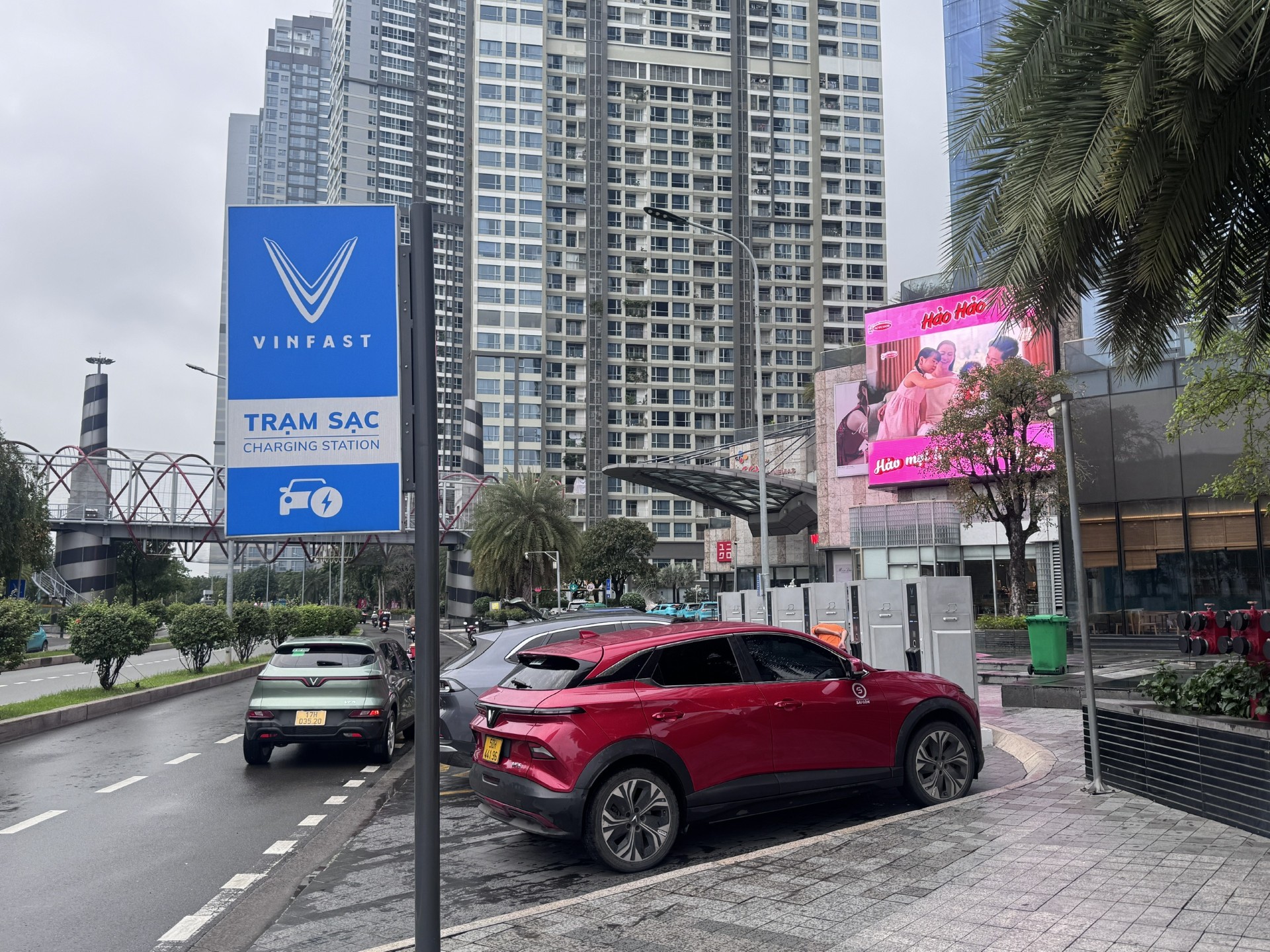
Many residents must park their electric vehicles in public areas for charging.
From a service perspective, residents have paid fees to use shared infrastructure. Refusing to accommodate electric vehicles without a clear legal basis may also violate commitments in apartment purchase contracts or management service agreements.
However, we empathize with management boards in the absence of specific technical regulations, especially in older buildings. Self-imposed rules to manage risks are a preventive measure. The key is to establish a unified legal and technical framework to avoid conflicts between parties.
With the city’s push to limit gasoline vehicles, especially in central areas, what is the Department of Construction’s vision for parking systems in high-rise buildings and apartments to ensure both fire safety and support the shift to electric vehicles?
– The Department of Construction’s consistent stance is that apartment infrastructure must gradually adapt to residents’ transition to electric vehicles, with fire safety remaining a top priority.
For new projects, we’ve recommended that the Ministry of Construction mandate separate parking areas for gasoline and electric vehicles. Clear zoning improves risk management and facilitates firefighting efforts during emergencies.
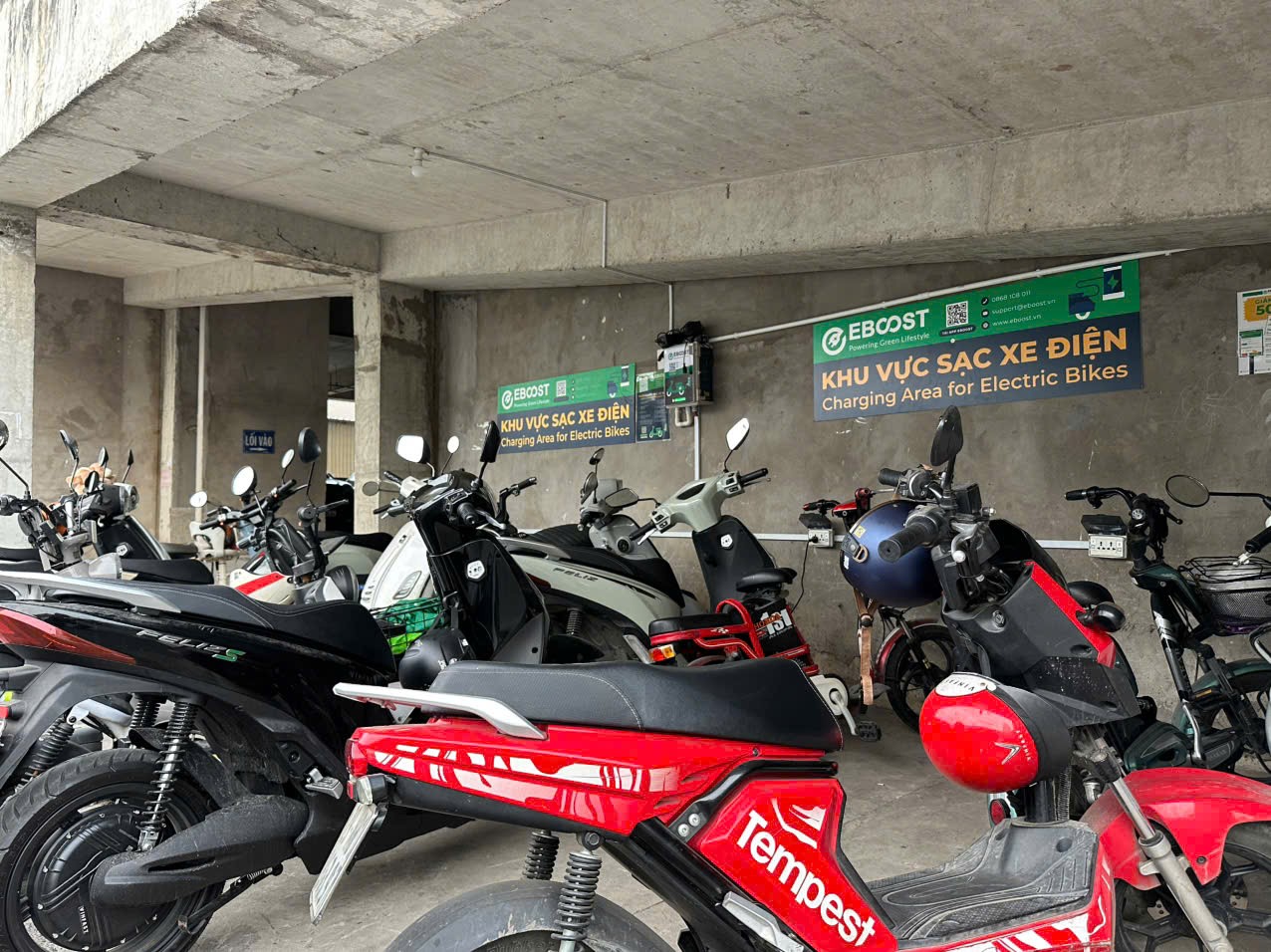
Hoa Phuong Apartment in Thoai An Ward has designated a separate area for electric vehicles. Photo: NGOC QUY
For existing buildings, especially older ones, basement upgrades should follow a tailored roadmap with specific technical assessments for each structure. A one-size-fits-all approach is impractical; solutions must consider current infrastructure, ventilation, smoke extraction systems, and available firefighting equipment.
Has the Department of Construction studied international practices on this issue?
– We are actively researching practices in countries like China, where electric motorcycles are prevalent. Notably, China allows electric vehicles in apartment basements but prohibits battery charging there to reduce fire risks.
The Department of Construction is collaborating with specialists from the Ministry of Public Security, Ministry of Industry and Trade, Vietnam Electricity, and other stakeholders to develop detailed regulations for parking and charging electric vehicles in apartment basements. Based on this, we will report to the Ho Chi Minh City People’s Committee to formulate solutions balancing safety, resident rights, and the city’s green transportation goals.
• Thank you, Mr. An.
Enhancing Convenience for Green Vehicles
Construction Material Shortage: Preventing Local ‘Self-Issued Sub-Licenses’

Representatives from the Department of Economic Affairs and Construction Investment Management under the Ministry of Construction emphasized that to address challenges in construction materials, local authorities must avoid applying outdated regulations. They should work with a high sense of responsibility toward the nation’s shared development goals. Imposing unnecessary “sub-licenses” or cumbersome procedures not only creates obstacles but also prolongs implementation timelines, directly impacting project schedules.
New Land Price List in Ho Chi Minh City: Peak Rates Reach Over 687 Million VND per Square Meter

The Ho Chi Minh City People’s Committee has recently submitted a proposal outlining the new Land Price List, set to take effect from January 1, 2026, across the city.
4 Steps to Determine Eligibility for Social Housing in HCMC Based on Distance from Workplace

Looking to buy or rent-to-own social housing in HCMC, even if you already own a home elsewhere? Follow these 4 simple steps to determine your eligibility.
Ho Chi Minh City Launches $15 Million Fund to Attract Experts and Foster Talent Development

The Ho Chi Minh City Talent Development Fund, a non-budget initiative, aims to raise VND 100-150 billion by 2026, with an ambitious target of reaching approximately VND 350 billion by 2030 to attract experts and foster local talent.
Ho Chi Minh City Extends Metro Line 2: Adding 200m to Directly Connect Ben Thanh Station

Ho Chi Minh City has adjusted the length of Metro Line 2 to 11.269 kilometers, connecting it to Ben Thanh Station to ensure seamless integration with the city’s urban rail network.