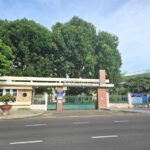












Panko Vina Co., Ltd., a 100% South Korean-owned company located in My Phuoc 1 Industrial Park, Ben Cat Ward, Ho Chi Minh City, has been operating in Vietnam for 23 years.
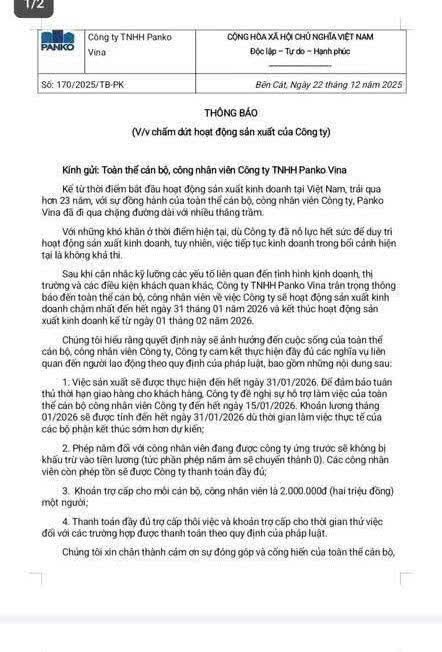
Announcement of Panko Vina’s Cessation of Operations
In a notice sent to employees on December 23, the company cited numerous challenges as the reason for its closure.
“Despite our best efforts to sustain operations, continuing business under current conditions is no longer viable,” the company stated.
After careful consideration, Panko Vina Co., Ltd. has announced that it will cease all production and business activities effective February 1, 2026.
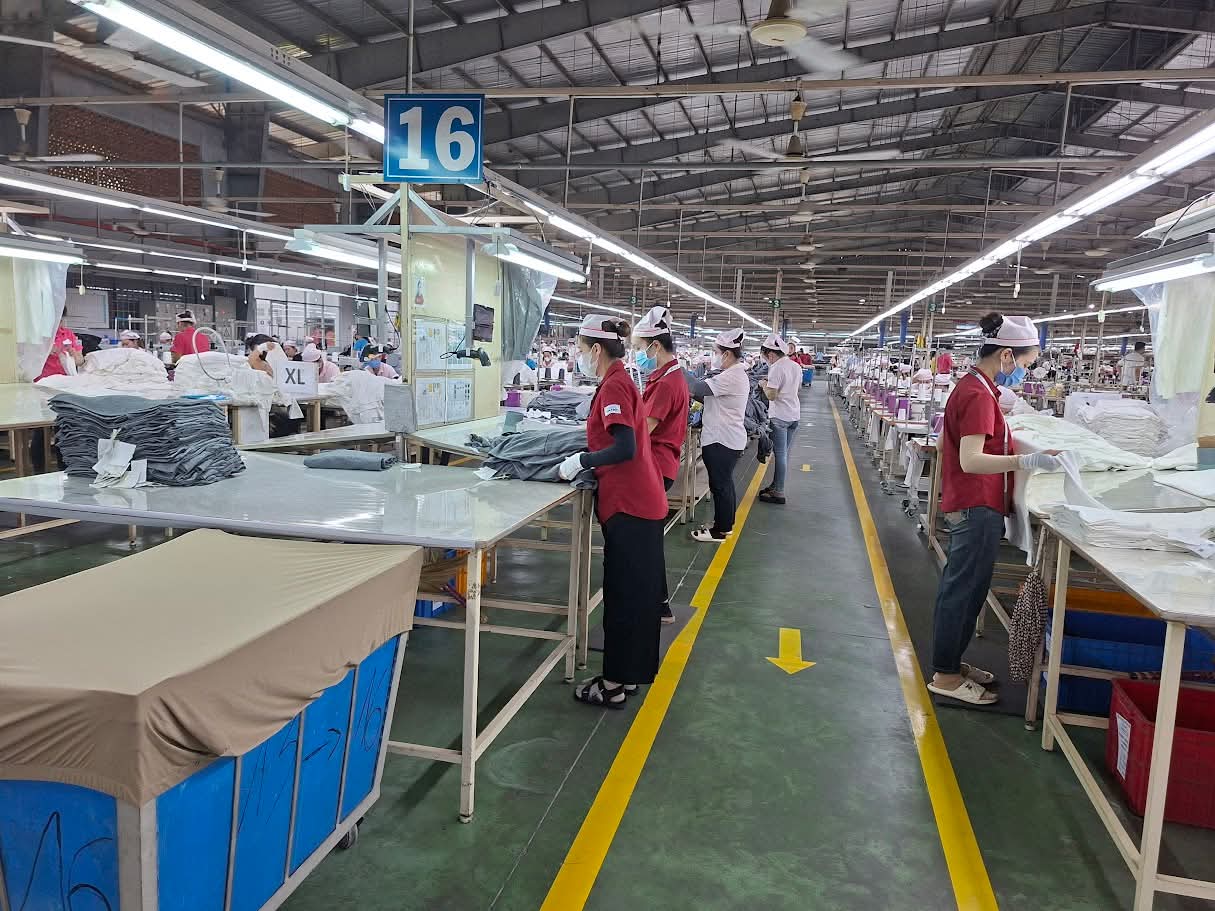
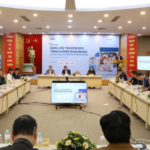
Employees of Panko Vina
The company acknowledged that this decision will impact the lives of all its employees and committed to fulfilling all legal obligations to its workforce.
The company’s labor union is currently gathering employee feedback, particularly regarding the 13th-month salary for 2025, as workers have completed the full year of service.
Over its 23-year tenure in Vietnam, Panko Vina has been recognized for its compliance with local laws and its dedication to employee welfare, earning praise from authorities.
At its peak, the company employed over 8,000 workers and provided well-equipped dormitories featuring community spaces, sports facilities, and entertainment areas. Each room was furnished with amenities akin to a small family home.
Double Compensation for Large Projects in Hanoi: A Feasible Policy?

Prior to the proposal, a member of the National Assembly argued against setting compensation at twice the stipulated rate. The reasoning was that the stipulated amount is determined by the city itself, based on the K coefficient for each location multiplied by the land price table.
South Korean Conglomerate Builds Billion-Dollar Plant in Ho Chi Minh City: Reports $188M Loss in H1 2025, Accumulated Losses Reach $850M, PwC Auditors Raise Concerns
PwC’s audit reveals that Hyosung Vina Chemicals’ accumulated losses and short-term liabilities have surpassed its current assets, raising concerns about the company’s ability to continue as a going concern.
Upcoming Surge: 13,500 New Housing Units Set to Boost Ho Chi Minh City’s Real Estate Market
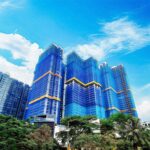
Unveiling a new era of luxury living, Sunshine Group is set to launch nearly 13,500 premium apartments in Ho Chi Minh City, following the resolution of two projects and the approval of a new one.
Renowned Mobile Retail Brand Shockingly Announces Closure Starting October 1, 2025

After two decades of dedicated service, Hnam Mobile announces its official closure, effective October 1, 2025.
Distorted Real Estate Market Structure: Speculation and Group Interests Dominate, Says Prof. Tran Dinh Thien

Renowned economist Prof. Dr. Trần Đình Thiên highlights the distorted nature of Vietnam’s real estate market, which has shifted towards speculation and is often governed by vested interests rather than fair market principles.