













In Vietnam, Thera Home—a therapeutic apartment model integrating healthcare and in-home care developed by Onsen Fuji—is showcasing how real estate adapts to an aging society.
A New and Potentially Lucrative Economic Driver
According to a recent report by Global Growth Insights (GGI), a global market research and strategic consulting firm, the global silver economy is projected to reach approximately $3.028 trillion this year and could nearly double to over $6.240 trillion by 2035, growing at an average annual rate of about 7.5%. Consumers aged 60 and above are increasingly favoring healthcare services, travel, technology supporting independent living, specialized housing, and senior-specific apartments.
Globally, seniors are not only beneficiaries of welfare policies but also significant consumers. In developed markets like the U.S. and Europe, those aged 60 and above account for over 50% of total consumer spending and nearly 70% of household assets, while contributing 45% of retail revenue—figures that underscore their financial strength and purchasing power.
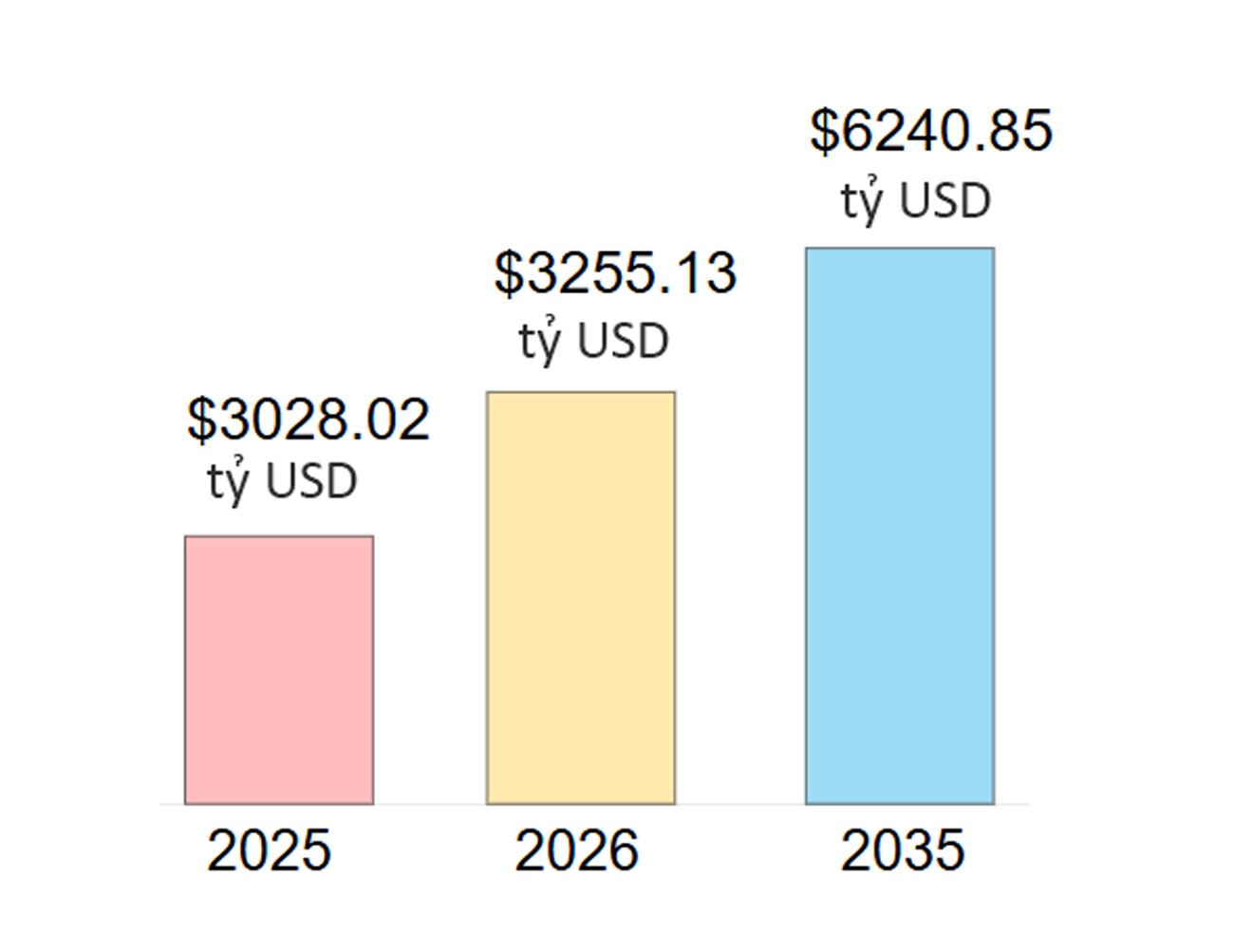
Global Silver Economy Scale. Source: GGI
Internationally, this shift is also acknowledged. The International Monetary Fund (IMF) notes that population aging not only poses welfare challenges but also creates new growth drivers for the economy, as seniors become more active, join the workforce, and continue contributing to economic growth.
Vietnam is no exception to this rapid aging trend. According to the General Statistics Office (Ministry of Finance), as of March 2025, the country has over 16 million seniors, accounting for more than 16% of the population. Projections indicate that by 2038, this ratio will surpass 20%, placing Vietnam among aging nations and on track to become super-aged by 2050.
The growing elderly population has led to a surge in demand for healthcare services, human care, and specialized consumer products. While 80% of Vietnamese seniors prefer in-home or familiar environment care, fewer than 30% of communes and wards have support groups or clubs for the elderly, highlighting a significant market gap.
In response, the National Assembly has issued a resolution expanding health insurance benefits for seniors starting in 2026, and the development of a Silver Economy Strategy for 2025–2045 is underway. This indicates that the government views the silver economy not just as a welfare policy but as part of a long-term economic development strategy.

Vietnam currently has over 16 million seniors, accounting for more than 16% of the population.
The Demand for “In-Home Care” and Thera Home’s Potential
From a long-term perspective, Prof. Dang Hung Vo, former Deputy Minister of Natural Resources and Environment (now the Ministry of Agriculture and Environment), believes Vietnam has a unique advantage in developing health-focused tourism linked to real estate, provided it leverages its cultural identity. The country’s widespread mineral springs, mud baths, and rich heritage of traditional medicine and indigenous herbs provide a foundation that many nations take decades to build.

Prof. Dang Hung Vo.
According to Prof. Vo, the challenge lies not in building more resorts but in adopting an integrated mindset: spaces where humans live in harmony with nature, restoring health through mineral baths, herbal remedies, meditation, and a slower pace of life. The philosophy of “body and land as one,” when applied to modern living spaces, can create distinctive Vietnamese healthcare real estate models capable of long-term competition.
In practice, the market is already experimenting with “in-home care” approaches. Some developers are creating therapeutic apartment models where healthcare elements are integrated not only into shared amenities but also directly into individual living spaces. Among these pioneers, Thera Home by Onsen Fuji, with projects like Lynn Times Onsen Retreat in South Hanoi, Lynn Times Onsen Retreat in Hung Yen, and Tokyu Retreat, stands out as a notable model.
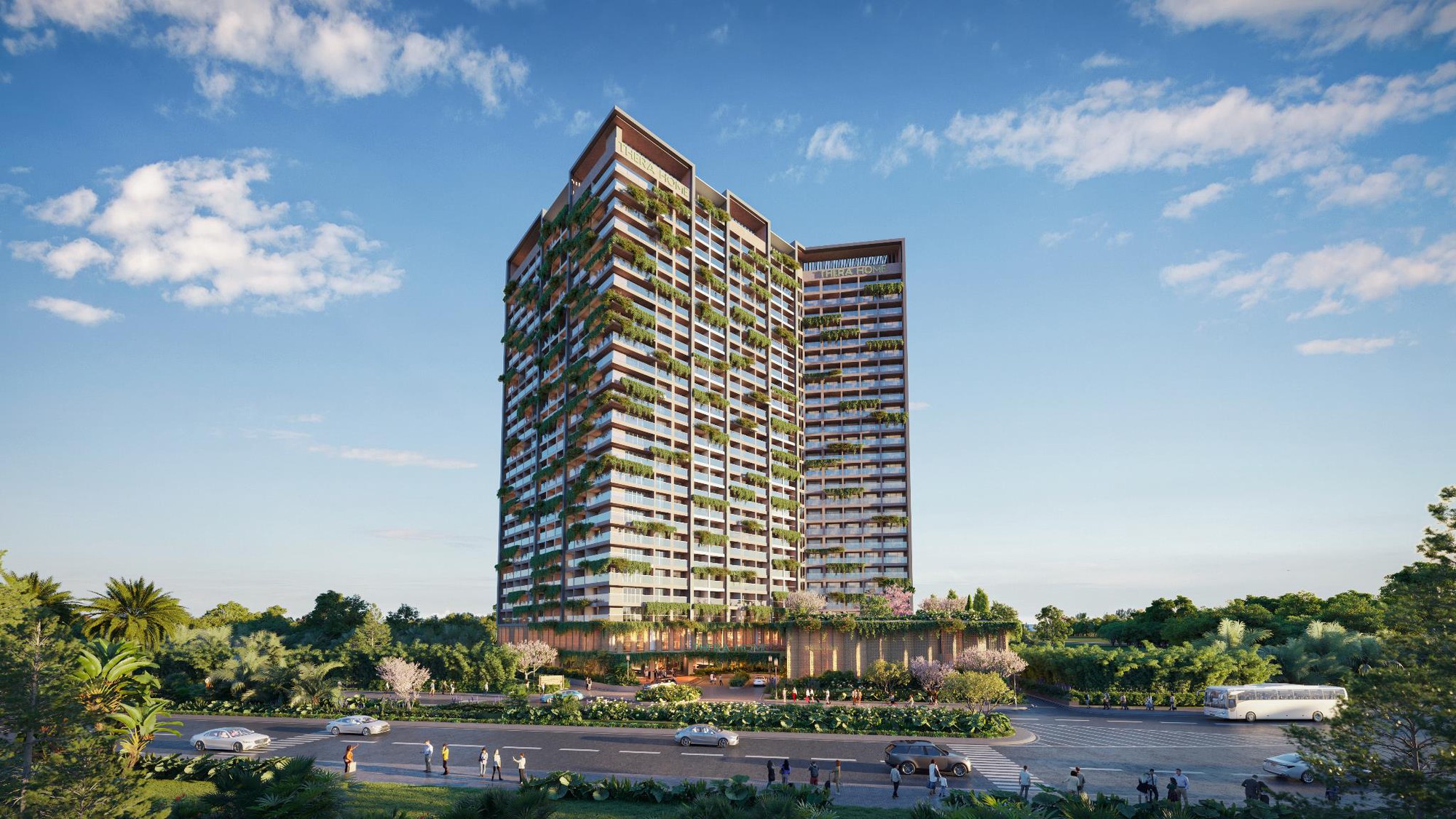
Thera Home’s therapeutic apartment model by Onsen Fuji is recognized as an early mover in Vietnam’s real estate sector, aligning with the silver economy trend.
Drawing on research from in-home care models in Japan and Singapore, and understanding the growing demand for healthy living among Vietnamese, Thera Home is positioned as a comprehensive care solution within the living space, operating under the philosophy of “Home for Healing.” Instead of treating healthcare as an auxiliary service, this model places preventive healthcare and daily therapy at the core of life, combining 24/7 medical care with natural therapy and mental wellness.
This approach stands out by personalizing living spaces to meet individual health needs, preserving the privacy and familiarity of “home.” The continuous healthcare system, directly connected to the residential area, enables timely monitoring, consultation, and support in daily life, especially for seniors and those with chronic conditions.
At the apartment level, healthcare elements are seamlessly integrated into daily life: air filtration systems generating negative ions, sensors monitoring temperature, humidity, and air quality; private mineral baths in each unit for joint therapy and relaxation; 24/7 emergency buttons linked directly to medical centers; and phototherapy lighting systems adjusting intensity and color based on circadian rhythms to balance hormones and improve sleep.
The fusion of healthcare, technology, and living space represents a new direction for health-focused real estate—where homes become long-term care and recovery foundations for individuals.
Thera Home: The Billion-Dollar “Therapeutic Apartment” Trend Emerging in Asia
The aging population, chronic illnesses, and the post-pandemic focus on health rejuvenation have propelled wellness real estate into a booming industry across Asia. Far beyond a fleeting trend, this model is now a multi-billion-dollar market, catering to the growing demand for healthy, long, and high-quality living.
Unmet Demand: The Vast Opportunity in Vietnam’s Senior Care Real Estate Market
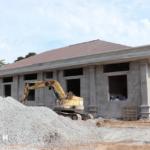
The current elderly care system is still in its infancy, with fewer than 30% of communes and wards offering support models for seniors. Nationwide, the number of specialized care centers remains under 100, highlighting significant gaps in meeting the growing needs of the aging population.
Daycare Services at Vin New Horizon: A Revolutionary Solution to Combat Loneliness Among the Elderly

As traditional retirement models fade in the face of the new generation of seniors seeking active, vibrant lifestyles, the daycare retirement model has emerged as a global trend. In Vietnam, Vin New Horizon leads the way in crafting a modern retirement ecosystem, awakening a radiant and experience-rich “second dawn” for the golden generation.
Vin New Horizon Can Gio: Empowering Vietnam’s Golden Generation to Live Proactively Healthy

At the cutting-edge ESG++ metropolis of Vinhomes Green Paradise (Can Gio, Ho Chi Minh City), Vin New Horizon is poised to usher in a new era where aging transcends passive retirement. Here, it’s about embracing a vibrant, healthy, and fulfilling life every day within a world-class, holistic care ecosystem.
“Free Annual Health Check-up for Citizens Aged 60 and Above in Ho Chi Minh City”
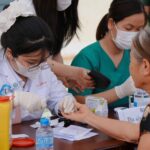
All senior citizens residing in the city are entitled to an annual health check-up, fully funded by the city’s budget. This initiative ensures our elders have access to essential healthcare services, promoting a healthy and happy life.