















The Hong River scenic boulevard project is poised to reshape Hanoi’s urban landscape, but it faces significant challenges in flood control and land acquisition.
Launched on December 19th, the Hong River scenic boulevard project aims to dramatically transform the urban landscape along both banks of the river. It promises to thoroughly revitalize the city, creating a cultural, economic, and ecological hub that will become one of Hanoi’s iconic landmarks.
Impacting 200,000 Residents
With an estimated preliminary investment of 855 trillion VND, the project will be implemented through a public-private partnership (PPP). Spanning approximately 11,000 hectares, the project stretches from Hong Ha Bridge to Me So Bridge, encompassing 19 wards and communes in Hanoi.
The project includes an 80-kilometer boulevard, a 3,300-hectare landscape park system for recreation, and 2,100 hectares of land for urban redevelopment. It consists of four independent sub-projects. Initial estimates suggest that around 200,000 residents will be affected, with some being resettled in situ.
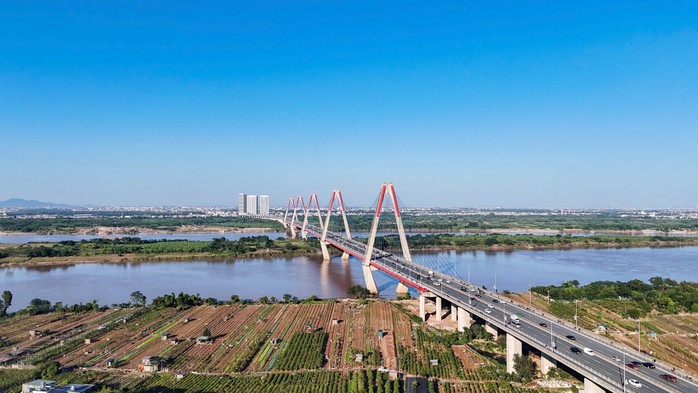
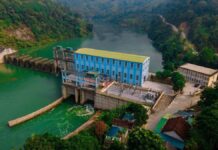
Areas designated for the Hong River scenic boulevard project. Photo: HUU HUNG
National Assembly delegate Truong Xuan Cu (Hanoi) highlighted the project’s historical significance, alongside the Olympic Sports City. Extensive preparations have been made to ensure the project’s success, considering resources, timing, and strategic opportunities.
The project reflects Hanoi’s commitment to becoming a “civilized, modern, and culturally rich” capital. Enhancing the Hong River’s urban landscape is crucial for Hanoi’s development. Upon completion, it will significantly boost Hanoi’s investment appeal, foster financial centers, attract tourism, and drive growth in the northern region.
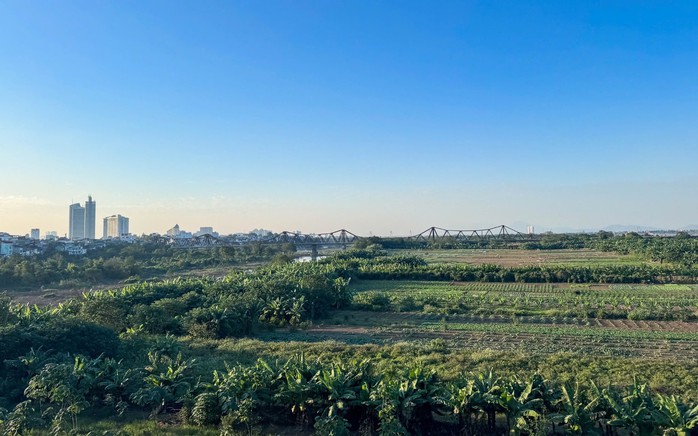
Areas designated for the Hong River scenic boulevard project. Photo: HUU HUNG
Urban planning experts believe the project will help restructure Hanoi’s urban space, balancing development and reducing pressure on the inner city. However, interventions along the riverbanks require careful consideration of flood control and urban safety.
Effective Flood Control is Essential
Architect Dao Ngoc Nghiem, Vice Chairman of the Vietnam Urban Development Planning Association, emphasizes the Hong River’s complex hydrology, influenced by its vast upstream basin.
Since the early 2000s, the riverbanks have attracted domestic and international investors. However, projects faced challenges due to unresolved flood control and long-term urban safety concerns.
“The river’s flow is influenced by natural factors and upstream regulation, with limited access to stable data. Without careful planning, riverside development could pose significant risks in the face of climate change,” Nghiem explains.
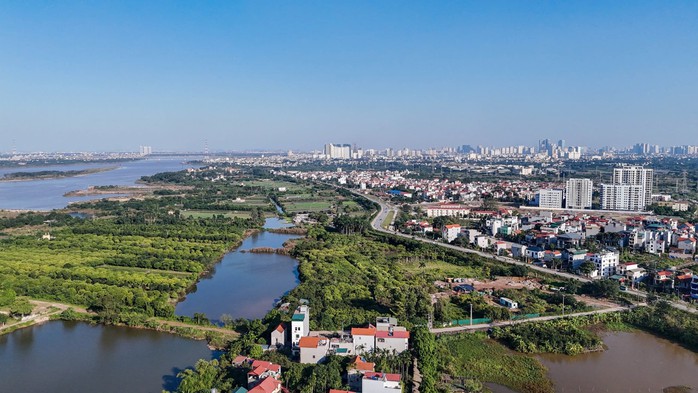
Areas designated for the Hong River scenic boulevard project. Photo: HUU HUNG
To balance flood control and urban development, Nghiem suggests prioritizing adaptable land uses like green spaces and public areas. Residential and construction zones must adhere to strict elevation, density, and land-use regulations, complying with flood prevention and dyke protection measures.
Delegate Truong Xuan Cu stresses the importance of flood control. Hanoi authorities must ensure infrastructure harmonizes flood prevention with sustainable urban and transportation development.
Cu also highlights technical challenges and land acquisition. Resettlement policies should aim for improved living conditions and infrastructure, fostering social consensus for the project’s success.
Nguyen Manh Ha, Secretary of the Long Bien Ward Party Committee, notes that in 2026, the ward will focus on land management, construction order, resettlement, and social welfare to support the project. Local authorities will engage in communication and community outreach to ensure smooth implementation.
Ha assures that Long Bien Ward will provide accurate information, manage public opinion, and prevent disputes to facilitate the project’s progress.
Tran Dang Khoa, Chairman of Dai Quang Minh Real Estate Investment Corporation, believes the project will create sustainable value, ensuring flood safety for the Hong River basin and surrounding areas.
North-South Expressway: Bac Ninh Approves Feasibility Study for Noi Bai – Bac Ninh – Pha Lai Section
The Chairman of the People’s Committee of Bac Ninh Province, Pham Hoang Son, has approved the proposed route and granted permission for investors to conduct a feasibility study for the Noi Bai – Bac Ninh – Hai Phong Expressway project. This expressway is expected to span approximately 51 kilometers.
Why a Conglomerate Halted Its Mega-Project on the Red River Scenic Avenue

The Deo Ca Group laid the foundational “bricks” that officially launched the Hong River Landscape Avenue project after years of stagnation. However, the group has since withdrawn its involvement, citing the field as outside its core expertise.
Sun Group Proposes $6.3 Billion Investment in 30-Year Mega Project in Ho Chi Minh City, Featuring a 75,000-Seat Stadium
Sunrise Vung Tau Co., Ltd. is the visionary behind the proposed National Sports Complex Rach Chiec project, spanning over 186 hectares with a total investment exceeding 145 trillion VND.
MIK Group Exits Hong River Scenic Avenue Project Following Deo Ca Withdrawal
MIK Group has officially submitted a letter to the Hanoi People’s Committee, requesting to voluntarily withdraw from the consortium of investors responsible for the Red River Landscape Avenue project, valued at over 855 trillion VND.
Proposed Launch of the Rạch Chiếc National Sports Complex with a Budget of Over 145 Trillion VND in January 2026
The Ho Chi Minh City People’s Committee has submitted a proposal to the City Council for the investment in the Rạch Chiếc National Sports Complex, with an estimated total investment of over 145.6 trillion VND, utilizing a public-private partnership (PPP) model.