











9 Cases for Land Price Table Application Under the Land Law
On the afternoon of December 25th, Deputy Prime Minister Tran Hong Ha chaired a meeting with ministries and sectors regarding the draft decrees guiding the implementation of Resolution No. 254/2025 by the National Assembly. This resolution outlines mechanisms and policies to address challenges in the execution of the Land Law.
During the meeting, Mr. Dao Trung Chinh, Director of the Department of Land Administration under the Ministry of Natural Resources and Environment, highlighted a key feature of the draft decree: land reclamation will only apply to projects with over 75% area and user agreement, ensuring uniformity in implementation.
Other cases ineligible for land compensation include: unauthorized use of land encroaching on state-managed areas after July 1, 2014, despite prior warnings; and unauthorized occupation of land before July 1, 2014, related to public facilities, with official prevention notices in place.
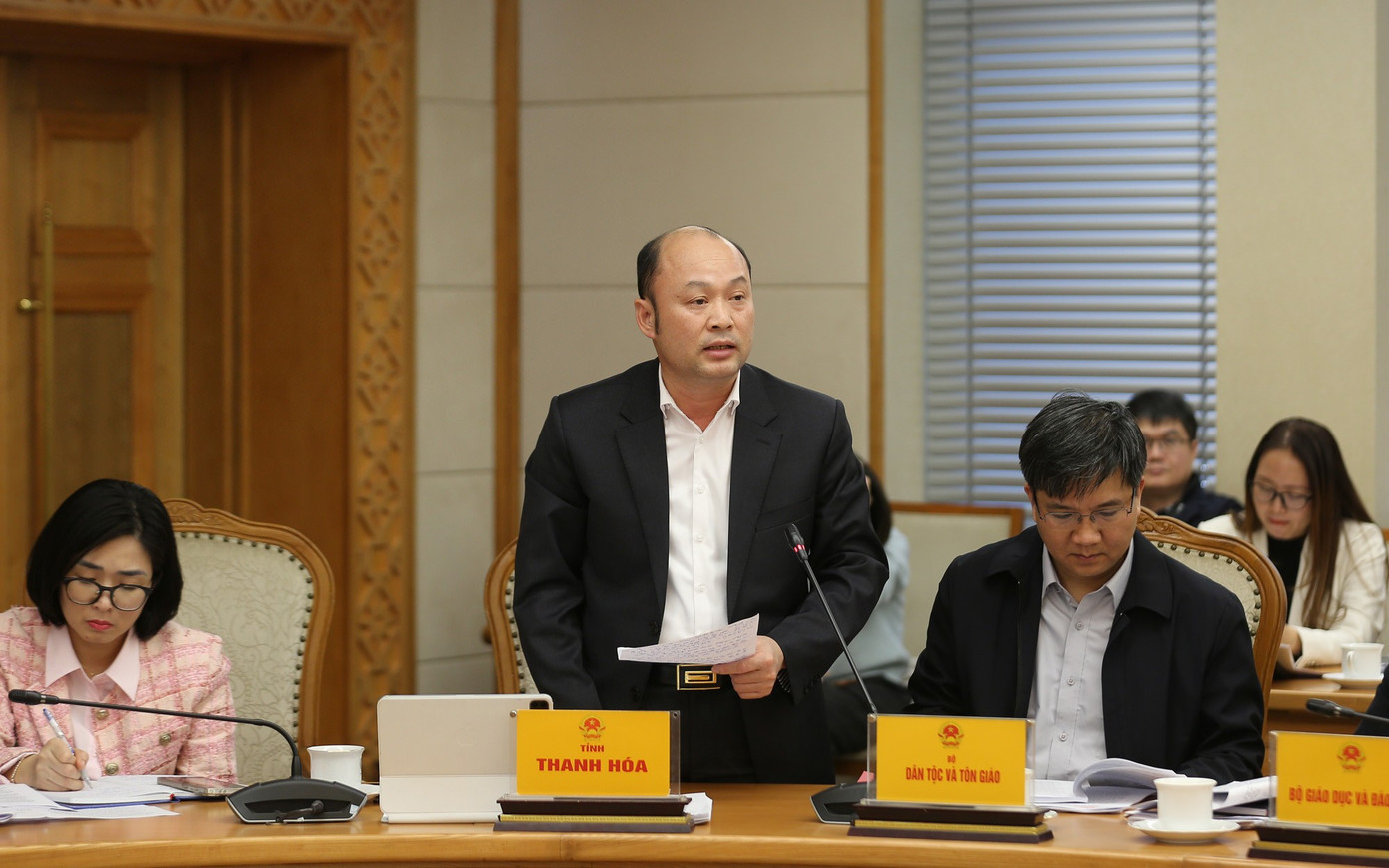
Vice Chairman of Thanh Hoa Provincial People’s Committee Cao Van Cuong. Photo: VGP
The draft decree details nine scenarios for applying the 2024 Land Law’s price table, clarifying previously ambiguous cases such as land use extensions, planning adjustments, and land use conversions. It also introduces eight instances where both land price tables and adjustment coefficients are concurrently applied, replacing the previous specific land price approach.
Vice Chairman of Ho Chi Minh City People’s Committee Bui Minh Thanh strongly supported the 75% consensus threshold for land transfer agreements. He emphasized that household definitions, including multi-generational families, should be finalized at the land reclamation announcement stage to prevent policy exploitation through household division.
Drawing from local experience, Vice Chairman of Thanh Hoa Provincial People’s Committee Cao Van Cuong suggested clarifying that the 75% negotiated area refers exclusively to investor-negotiated land, excluding state-managed public land (e.g., transportation, irrigation) within project boundaries.
Thanh Hoa also proposed greater decentralization to district or commune levels for annual land leasing, no-fee land allocation, and reclamation procedures. This aims to alleviate provincial-level backlogs and expedite processes.
Vice Chairman of Hai Phong City People’s Committee Le Anh Quan questioned the feasibility of the land price adjustment coefficient (K), calculated as market price divided by table price. Accurately determining “market price,” especially via residual methods, remains contentious and challenging.
Preventing One Error from Becoming Another
Concluding the session, Deputy Prime Minister Tran Hong Ha stressed that the decree must strictly adhere to Resolution 254, serving solely as an implementation guide without overstepping authority. He cautioned against introducing new complexities or errors, emphasizing policy clarity and practicality.
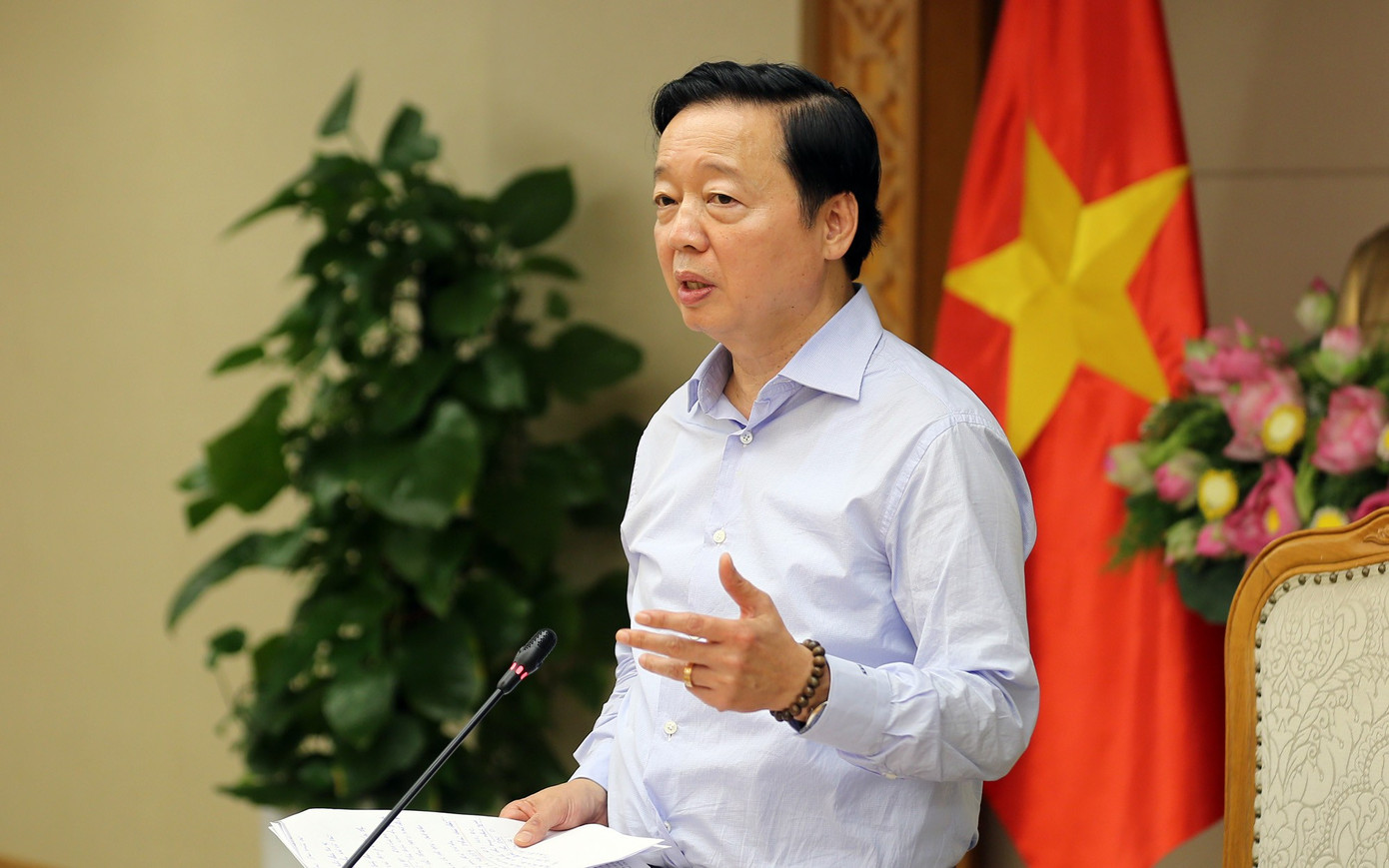
Deputy Prime Minister Tran Hong Ha speaking. Photo: VGP
For new mechanisms, particularly Build-Transfer (BT) projects, Mr. Ha mandated non-retroactivity, applying only to cases arising post-July 1, 2025. This balances practical solutions for localities with legal risk mitigation.
Regarding land valuation, he urged caution in applying price tables and adjustment coefficients. In the absence of robust market data or realistic price tables, specific land prices must be determined per the Land Law’s provisions.
For large-scale projects or unique land conditions lacking infrastructure or comparables, the Deputy Prime Minister endorsed specific price determinations over formulaic approaches. Comparative methods are permissible only with sufficiently similar conditions.
He further emphasized that valuation methods must align with legal standards and international practices, tailored to each land’s specifics, ensuring objectivity, transparency, and realism.
Four Scenarios Where Compensation is Not Granted When the State Reclaims Land from 2026
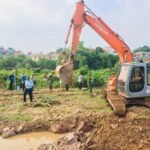
In Resolution 254, effective from 2026, the National Assembly outlines cases where no land compensation is granted when the State reclaims land, addressing challenges in the implementation of the Land Law.
New Regulations on Calculating Conversion Fees for Garden Land, Ponds, and Agricultural Land to Residential Land
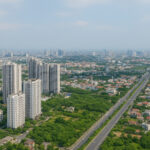
Effective January 1, 2026, a new resolution passed by the National Assembly outlines the calculation method for land use fees when converting garden land, ponds, and agricultural land into residential land.
Vinhomes Consortium’s $3.5 Billion, 1,100-Hectare Mega Project in Tay Ninh Sees New Developments
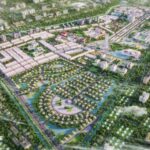
The new urban area project in Phuoc Vinh Tay Commune, Tay Ninh Province, spans over 1,089 hectares. To date, compensation has been paid to 3,181 cases, totaling more than 6,865 billion VND. The developer is currently implementing infrastructure construction as planned.
Proposed Dual Strategies for Land Pricing Framework Development
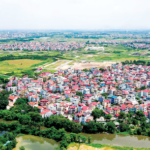
The Ministry of Agriculture and Environment has proposed two methods for implementing land price tables, encompassing eight specific scenarios that utilize land price tables and adjustment coefficients.
Haiphong Scrutinizes Ward and Commune Chairpersons’ Accountability in Land Violations
The Chairman of the Hai Phong City People’s Committee has mandated that the Chairpersons of Commune, Ward, and Special Zone People’s Committees assume full responsibility for land management. Failure to promptly address violations will result in accountability measures being taken against them.