















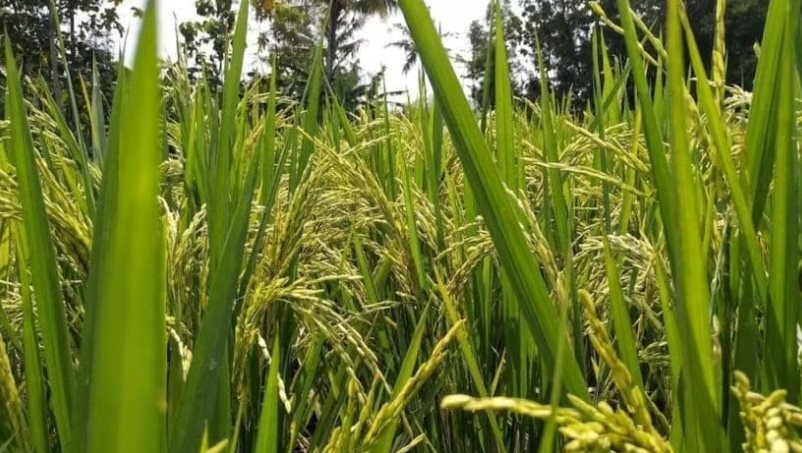
Illustrative Image
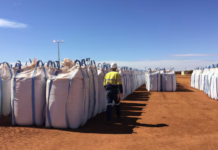
The Uganda Revenue Authority (URA) has intercepted a 3.2-ton consignment of smuggled rice from Kenya, cleverly concealed within cement bags on the Tororo-Jinja highway. This incident underscores the persistent challenges in curbing cross-border smuggling.
According to URA, the contraband was uncovered following intelligence-led inspections of a truck en route from Kenya to Kampala. Moses Wanjala Owino, Regional Enforcement and Border Control Manager for the Eastern region, revealed that smugglers increasingly disguise rice within legitimate goods to evade detection.
Owino warned that transporting food alongside cement poses health risks, as cement’s chemical components can be hazardous, particularly to respiratory systems. The seized consignment has been handed over to the National Bureau of Standards for testing to determine its suitability for consumption.
Over the past three months, URA has confiscated approximately 70 tons of smuggled rice from Kenya through routine checks along the 800-km Eastern border, which includes numerous unofficial crossing points. This porous stretch facilitates illegal trade in commodities like wheat flour, tires, cooking oil, and electronics.
Smuggling impacts the local market in dual ways. Some traders report purchasing Kenyan rice at around 75,000 shillings per 25-kg bag and reselling it in Uganda for over 100,000 shillings, yielding substantial profits. However, licensed traders caution that smuggled rice’s undercutting prices destabilize market competition.
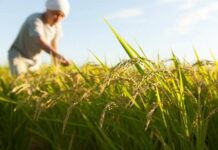
Uganda spends billions of shillings annually on rice imports, primarily aromatic varieties from Asia and East Africa. Rice remains a staple food and key commercial crop, with modern irrigation systems like Doho playing a pivotal role in production. Nonetheless, local varieties often lack the aroma and grain qualities preferred in urban markets, sustaining import demand.
Experts suggest that developing and deploying competitive indigenous rice varieties could retain value within the agricultural economy, enhance food security, and boost farmer incomes.