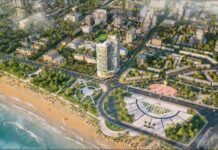













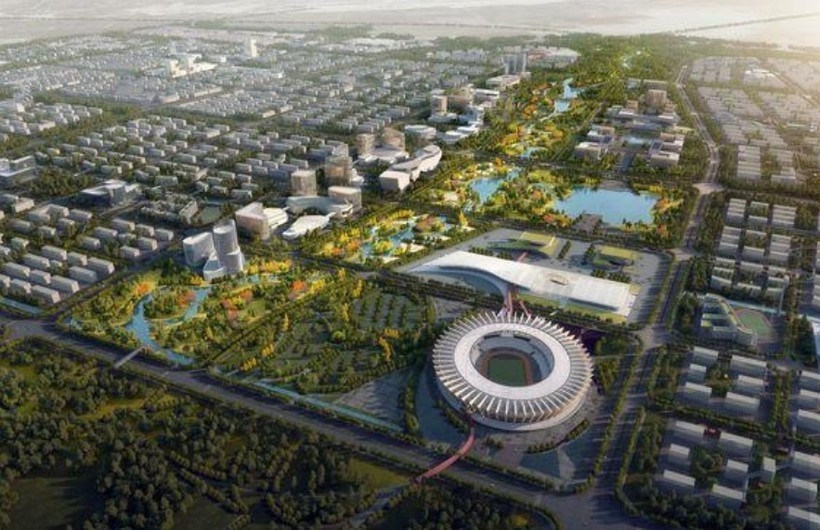
Vingroup Group has recently released an environmental impact assessment (EIA) for the Olympic Sports City project. The project spans a research area of 16,000 hectares, with approximately 9,171 hectares designated for urban development. The implementation scope covers 11 communes and wards in Hanoi, surrounded by major transportation routes such as National Highway 1, 21B, 21C, the Phap Van – Cau Gie Expressway, and Ring Roads 3, 5, and 4.
The developer reports that the current land use in the project area primarily consists of agricultural land (54%), rural residential land (nearly 17%), and aquaculture (11%). The project requires the conversion of over 8,700 hectares of rice fields with two or more crops per year.
The project is divided into four main zones. Zone A, covering 1,743 hectares with a population of 310,000, is planned as an urban development featuring high-rise mixed-use complexes integrated with a Transit-Oriented Development (TOD) model. This zone will include shopping malls, entertainment centers, hotels, and resorts.
Zone B, spanning 3,113 hectares with a population of approximately 186,760, will focus on sports-centric urban development and service-oriented urban areas linked to a world-class stadium. To attract international events, the developer will construct key facilities in this zone, including the Trom Dong Stadium (135,000 seats), the Global Aquatic Arena (40,000 seats), and a sports tower.
Additionally, Zone B will feature a massive eSports arena with tens of thousands of seats and a golf complex with two 18-hole courses designed for professional tournaments.
Zone C, covering 1,832 hectares with a population of around 190,572, will emphasize service-oriented urban development and resorts integrated with the ecological space along the Red River. This zone will include an international athletes’ village with thousands of apartments and villas, hotels, resorts, and eco-friendly residential areas within the urban core.
Zone D, spanning 2,483 hectares with a population of approximately 183,750, is planned as a multi-functional landscape axis featuring a commercial service center, golf courses, and low-rise housing.
Vingroup has announced plans to allocate independent social housing areas with synchronized infrastructure. The social housing fund within commercial housing projects will be determined during implementation.
The total investment for the project is approximately 925 trillion VND, including compensation costs, land clearance, and resettlement support.
From 2030 to 2040, the company will continue to complete housing clusters within the urban area and construct hospitals and sports medical centers. The entire urban complex is expected to be completed after 2040.
Thanh Phong
The Ultimate Stadium Showdown: Vingroup Unveils World’s Largest Domed Arena, Sun Group Builds 50,000-Seat Venue in Prime Central Location
Beyond sports, the three new “super stadiums” will serve as economic hubs, driving retail, tourism, event hosting, and real estate, while positioning Vietnam on the global map of cities with iconic stadiums.
Billionaire Pham Nhat Vuong’s New Infrastructure Venture: 7.5x Capital Surge in 7 Months, Exit from $67B Mega-Project, Focus Shifted to Two Key Railway Lines
Within just 7 months of its establishment, VinSpeed has consistently adjusted its charter capital from 6 trillion VND to 45 trillion VND, marking an unprecedented capital growth rate among infrastructure enterprises in Vietnam.
Exclusive Investment Opportunity: December 20-26, 2025 – 6 Mega Urban Projects with Over $2.1 Billion in Capital

During the week of December 20-26, 2025, four provinces attracted investment in eight projects, totaling over 54.6 trillion VND. Notably, six of these projects are urban developments, with a combined investment of more than 47.2 trillion VND. The most significant project is a nearly 24 trillion VND urban area in Dien Bien province.
$67 Billion Rail Mega-Project Enters Qualifying Round: Why Did Vingroup Suddenly Withdrawal?
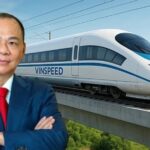
Vingroup Group has withdrawn its investment registration for the North-South high-speed railway project, as the mega-project enters its preliminary stages.
Hanoi Mandates Unique Color Schemes and QR Code Integration for Electric Vehicles
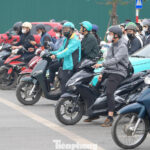
In the pursuit of cleaner air, Hanoi is implementing innovative solutions. These include optimized traffic management, a comprehensive surveillance camera system, color-coded license plates to identify eco-friendly vehicles, and QR codes integrated into the electronic toll collection (ETC) system to seamlessly register and manage green vehicles.