











Amended Electricity Law Officially in Effect
On the afternoon of November 30, 2024, the Amended Electricity Law was passed and officially came into effect on February 1, 2025.
The law comprises 9 chapters and 81 articles, regulating electricity development planning and investment in power projects; development of renewable and new energy sources; electricity operation licenses; competitive electricity markets, electricity pricing, and power purchase agreements; rights and obligations of organizations and individuals involved in electricity operations and consumption; national grid operation and dispatch, electricity market transactions; protection of power infrastructure and safety in the electricity sector; and state management of electricity.
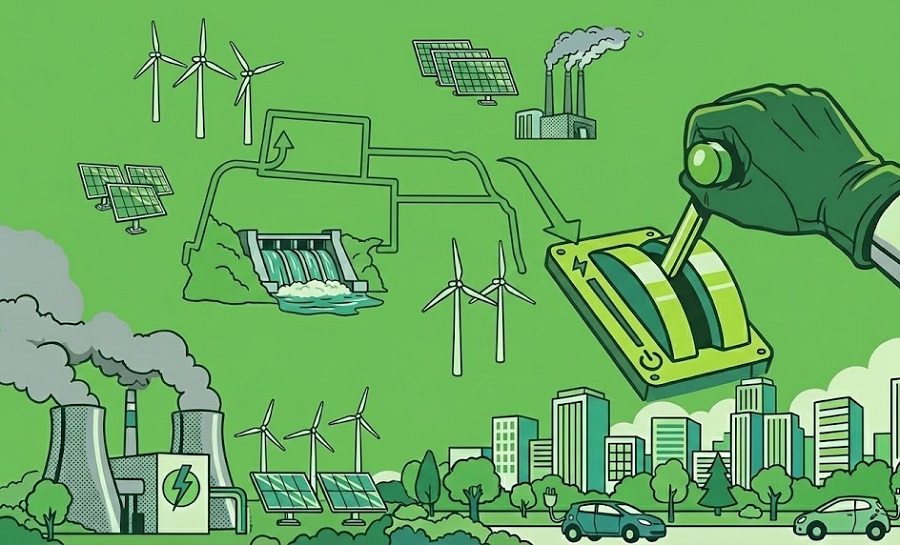
Among the most significant changes is the delegation of authority to local governments to approve investment policies for medium and small power projects, eliminating the need for submissions to the Ministry of Industry and Trade or the Prime Minister for additional planning approvals, which previously took 2-3 years. This enhances flexibility and significantly reduces preparation time for investments.
Another key change is the elimination of cross-subsidization in electricity pricing, where industrial electricity prices no longer subsidize residential rates, and regional price disparities are removed. Electricity prices will follow a market-based mechanism with state regulation, allowing input costs (fuel, exchange rates, labor) to be more rapidly reflected in retail prices.
Third, bottlenecks for offshore wind power have been addressed. The new law authorizes the government to detail regulations on surveys, sea area allocations, and investor selection for offshore wind projects. Previously, this was a legal grey area due to conflicts between the Land Law and the Sea Law.
Fourth, the law provides clearer regulations on the competitive electricity market, allowing for diversified power purchase agreements (PPAs). Large electricity consumers can now directly purchase power from private generators through Direct Power Purchase Agreements (DPPAs) or the spot market, rather than solely from EVN.
Single Electricity Price Increase, Shortened Tiered Pricing Structure
Despite being authorized to adjust electricity prices every three months, EVN implemented only one price increase on May 10, 2025. The average retail electricity price was adjusted upward by 4.6%, to over 2,204 VND/kWh (excluding VAT).
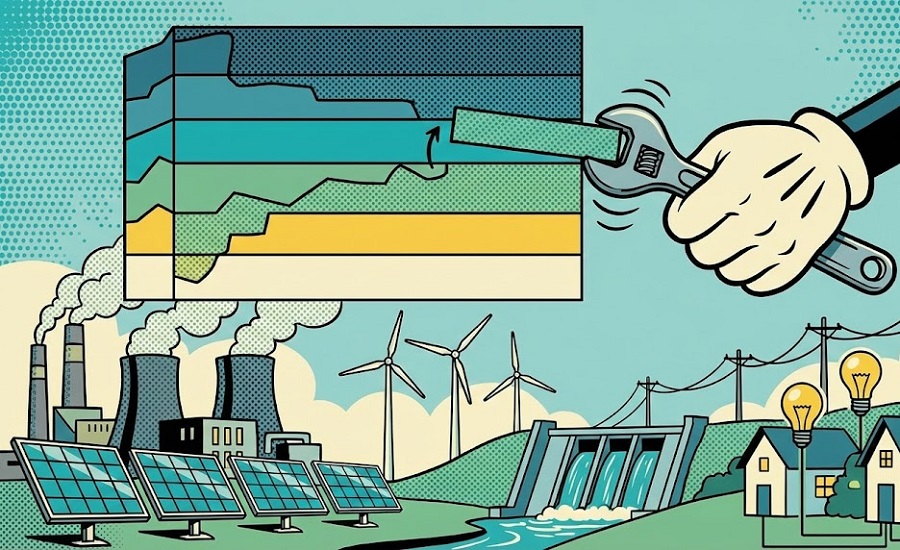
Notably, under Decision 14/2025 issued by the government and effective from May 29, the residential electricity pricing structure was reduced from 6 to 5 tiers, with implementation mechanisms in place.
However, this 5-tier pricing structure will only apply from the next adjustment of the average retail electricity price after the decision takes effect. As EVN has not yet made further price adjustments, the 6-tier pricing structure remains in use.
New Regulations on Selling Surplus Renewable Energy to the Grid
Decree 58, guiding the Amended Electricity Law and effective from March 3, 2025, allows rooftop solar systems to sell surplus electricity to the national grid, up to 20% of actual installed capacity. This regulation is similar to Decree 135, which has been in effect since October 2024.

Beyond rooftop solar, other self-generated, self-consumed renewable energy sources (wind, solar, biomass) can sell surplus electricity, but up to a maximum of 10%. This expands the scope of entities allowed to sell surplus electricity to the grid compared to current regulations.
The purchase price is set at the average market electricity price of the previous year, as announced by the grid operator.
Approval of Wind and Solar Power Pricing Framework
Decision 988/QĐ-BCT dated April 10, 2025, issued by the Ministry of Industry and Trade, approved the 2025 pricing framework for solar power plants. A key feature of this framework is its consideration of plants with battery storage systems, with prices differentiated across three regions.
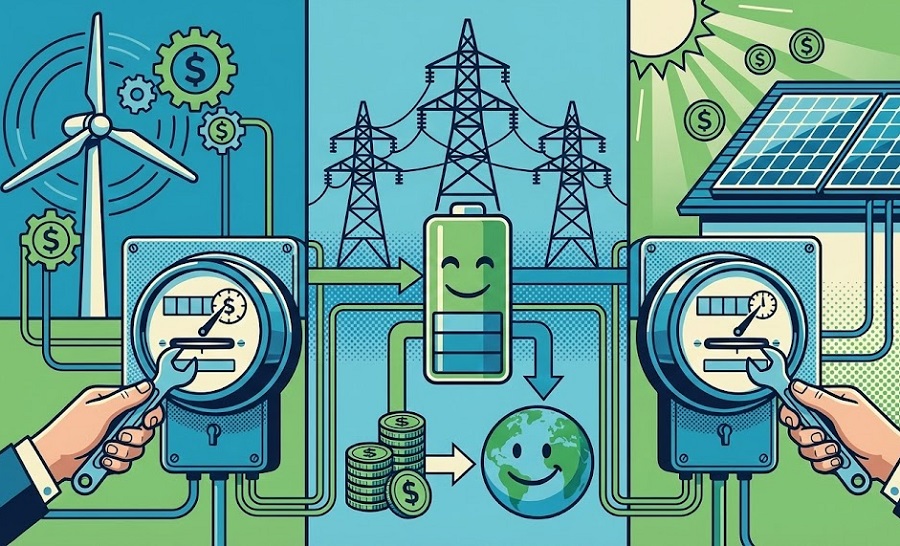
By May 30, 2025, the Ministry of Industry and Trade issued Decision 1508/QĐ-BCT, approving the 2025 pricing framework for onshore and nearshore wind power projects, applicable to projects preparing to sign PPAs. For onshore wind, prices range from 1,807 to 1,959.4 VND/kWh depending on the region; nearshore wind has a maximum price of 1,987.4 VND/kWh.
These prices are lower than the previous Feed-in Tariff (FIT) framework. Nonetheless, the approval of the pricing framework removes policy barriers, supporting numerous wind projects unable to sign PPAs due to missing the FIT deadline.
Approval of Adjusted Power Development Plan 8 – A New Chapter for Renewable Energy
On April 15, Deputy Prime Minister Bùi Thanh Sơn signed the decision approving the adjusted National Power Development Plan for 2021-2030, with a vision to 2050 (Power Development Plan 8 – PDP8). By June 2025, the Ministry of Industry and Trade had issued the implementation plan.
This decision marks a new chapter for the renewable energy sector. According to VNDIRECT, the adjusted PDP8 sets ambitious capacity targets to support GDP growth. Electricity production and imports are projected to reach 650-624 billion kWh by 2030, 82%-102% higher than in 2024.
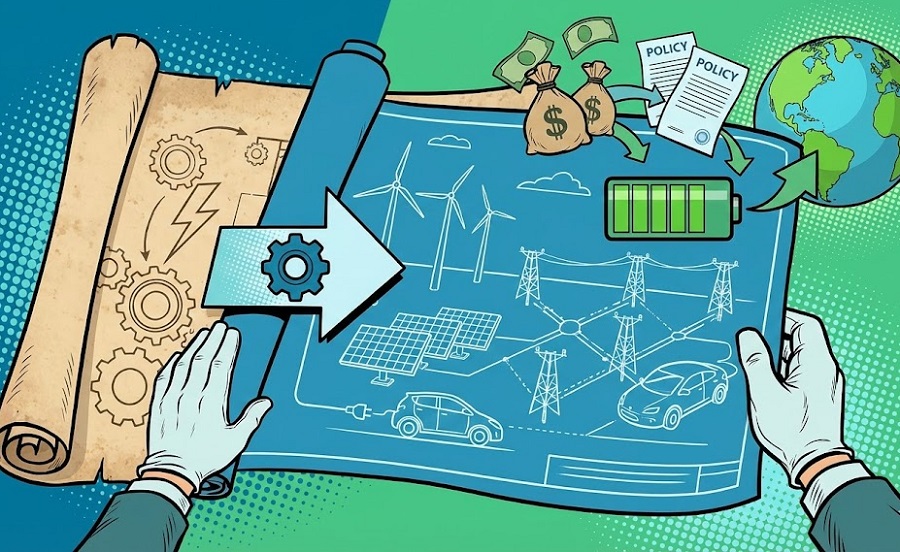
The targeted electricity output growth aims to ensure supply for an average GDP growth rate of 10% during 2026-2030. To achieve this, total power capacity by 2030 is expected to reach 183-236 GW, a 122%-187% increase from 2024, and 16%-49% higher than the previous PDP8. Additionally, the grid system will receive significant investment to enhance transmission capacity, including the construction of nearly 13,000 km of new transmission lines and the upgrading of over 1,400 km of 500kV lines.
In terms of energy mix, coal power remains restricted. Natural gas-fired power (including LNG) is expected to play a crucial role as the system’s baseload power source. The government has also included nuclear power in the plan, targeting 4-6.4 GW of operational capacity by 2030-2035, and shifted the timeline for offshore wind power to 2030-2035, with a target of 6-17 GW.
Hydropower, coal, and gas capacity targets remain unchanged. Renewable energy, however, is prioritized, with 2030 targets increased by 50%-130% compared to the previous PDP8, and 3.4-5.2 times higher than 2024 capacity. Solar power capacity sees the largest adjustment, increasing 2.3-3.6 times, while wind power capacity is adjusted 1.2-1.7 times higher.
Electricity Pricing Regulations for Electric Vehicle Charging Stations
Circular 60/2025/TT-BCT, issued on December 2, 2025, introduces specific regulations for retail electricity prices used for electric vehicle charging. Commercial charging stations, poles, and battery swap stations must install separate meters and apply prices based on charging purposes.
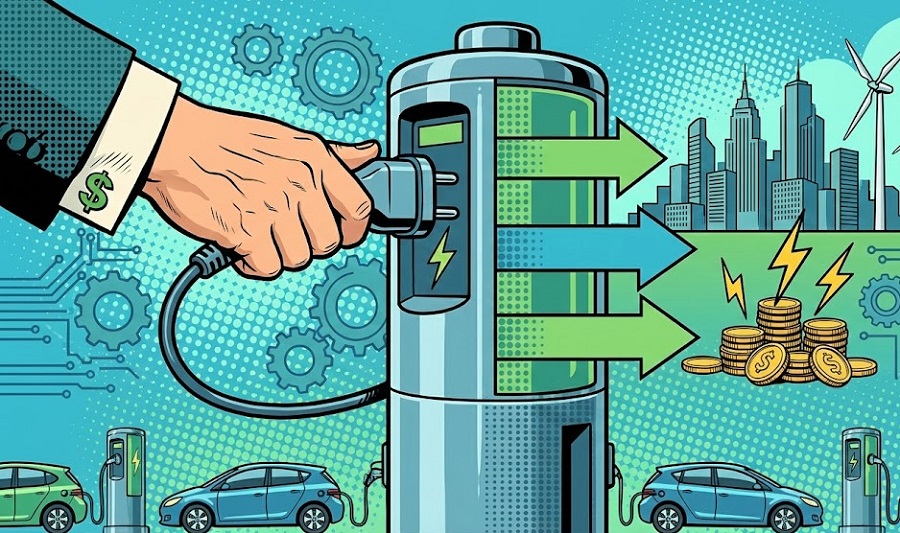
This policy establishes transparency in revenue for charging infrastructure developers and lays the foundation for the future development of a “charging station economy.”
– 11:00 30/12/2025
Sustainable Mall Operations: AEON MALL’s Strategic Move to Reduce Emissions
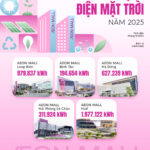
At AEON MALL, greening our shopping centers goes beyond environmental commitment—it’s a core strategy. This approach drives emission reduction, optimizes energy efficiency, and strengthens long-term competitive advantage.
Minister of Industry and Trade Demands EVN’s Financial Reports Improve, Eliminating Accumulated Losses

On the morning of December 29th, Vietnam Electricity (EVN) Group convened a conference to review its 2025 operations and outline key objectives for 2026.
“Green Gold Mine” Across Borders: Bầu Hiển’s Historic Milestone as Clean Energy Flows from Laos to Vietnam
This marks a groundbreaking milestone in Vietnam’s energy sector.
EVN Reports 2025 Revenue of VND 645.195 Trillion, a 10% Year-on-Year Increase

The total value contributed to the state budget reached approximately 26,351 trillion VND.
Revolutionary Green Hydrogen Breakthrough Poised to Transform Transportation and Aviation Giants
What groundbreaking innovation does this invention represent?