








Interviewer: Recently, the National Assembly passed a resolution to address difficulties and obstacles in the implementation of the Land Law. Regarding land valuation, the draft decree specifies 9 cases for applying land price tables and 8 cases for applying both land price tables and land price adjustment coefficients. Many opinions suggest caution in applying land price tables and adjustment coefficients, as most complaints recently have been related to land prices. What is your assessment?
Mr. Nguyễn Quang Huân: The biggest issue recently has been the lack of uniformity in resettlement and compensation policies. Specifically, there’s been no consistent method for calculating and agreeing on land prices. The concept of market price hasn’t been clearly defined, leading to varying interpretations. We need a precise definition of what constitutes a market price and how it’s calculated. Simply stating that the market price is whatever the land sells for on the market isn’t accurate—that would result in sky-high land prices. Market prices should be determined before the announcement of planning, based on a survey of land prices in the area prior to compensation. This should be verified by an independent consulting team. Once verified, the land price should be officially announced, forming a legally binding policy. This price must be approved by the Provincial People’s Council for the entire province or city. This ensures consistent compensation across projects in the same area. Currently, compensation varies—projects funded by the state budget offer lower compensation, while those funded by foreign loans offer higher amounts. This disparity leads to complaints.
When drafting the decree to implement National Assembly Resolution No. 254/2025/QH15, some argue that without sufficient market data or accurate land price tables, the specific land valuation method outlined in the Land Law must be strictly followed. What’s your take on this?
Market prices should be determined uniformly across the province, not separately for each project. Without consistent policies, there can’t be consistent implementation. Clear guidelines are needed, and land rent differentials must reflect reality. There are two types of land rent differentials: Type 1 arises from the land itself, while Type 2 is created by the investor’s contributions.
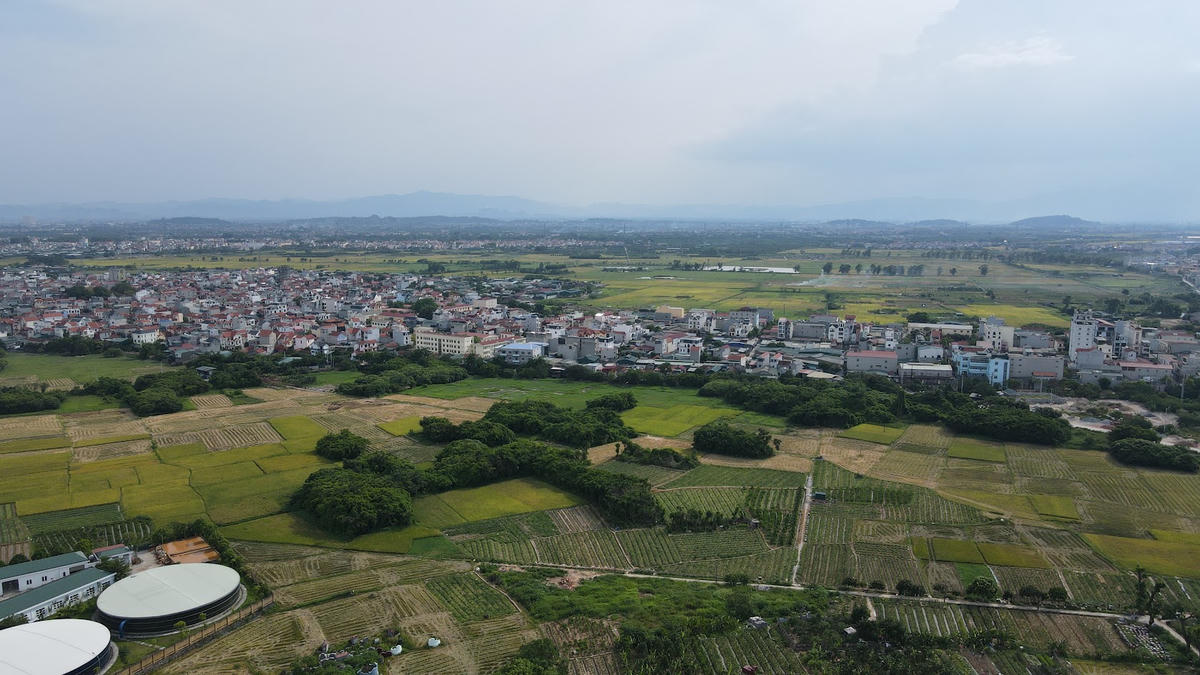
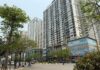
Land pricing remains a critical issue. Photo: Quang Vinh.
The National Assembly’s resolution stipulates that land recovery applies only to projects with over 75% area and over 75% of land users in agreement. How should this be concretized?
With 75% agreement, 25% remain in disagreement. If 25 out of 100 individuals or households still object despite established policies, coercion may be necessary. However, the key is ensuring fair land prices. When we invest in infrastructure, both investors and the state should benefit, as land is collectively owned, with the state acting as its manager. Profits from Type 2 land rent differentials should be shared equally between the state and investors.
Landowners should benefit from Type 1 land rent differentials. If your land is valuable, you’ve already benefited from it. This ensures fairness. After setting land prices, we must communicate, advocate, and educate landowners. If others have agreed for the greater good and you won’t be disadvantaged, continued opposition may lead to coercion. Clear communication is essential. Fair and reasonable policies will gain public acceptance. The key lies in defining market economies, market prices, and calculation methods, followed by effective public communication.
Recently, the National Assembly issued a resolution to address challenges in land-related projects, audit conclusions, and court rulings. How does this help unlock land resources?
Audits and conclusions address specific cases. We need a nationwide policy and standardized approach. Step one is determining market prices; step two is implementing the right policies. These policies must be developed with public input and approved by the People’s Council for the entire region or province. Land price tables should be updated every five years at the start of each term to ensure they remain current. Once policies are approved, all compensation projects should follow them uniformly. For inter-provincial projects, the Prime Minister’s approval is required; for intra-provincial projects, the Provincial People’s Committee Chair’s approval suffices, following People’s Council authorization. This ensures democracy, fairness, and transparency.
Thank you, Mr. Huân!
Caution in Applying Land Price Tables and Adjustment Coefficients: Deputy Prime Minister Trần Hồng Hà recently chaired a meeting with ministries, sectors, and real estate associations to discuss draft decrees implementing National Assembly Resolution No. 254/2025/QH15. Regarding land valuation, he emphasized caution in applying land price tables and adjustment coefficients. Without sufficient market data or accurate land price tables, the specific land valuation method outlined in the Land Law must be followed. For large-scale projects or unique land conditions without infrastructure or comparable data, specific land prices must be determined, not just by multiplying price tables by coefficients. Only in cases of similar conditions can the comparison method be used. The chosen valuation method must comply with legal and international standards, tailored to each land’s specifics, ensuring objectivity, transparency, and accuracy.
Determining Land Value: Avoid Introducing New Methods Without Proper Basis

In determining land prices, Deputy Prime Minister Tran Hong Ha emphasized that only scientifically and legally grounded content, with clear methodologies and comprehensive data, should be stipulated.
Ho Chi Minh City: Strategies to Mitigate Rising Housing Costs
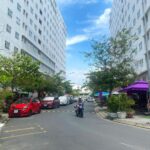
The application of specific land prices or land price tables multiplied by land price adjustment coefficients significantly impacts property values.
How Will Ho Chi Minh City’s 2026 Land Price List Impact Residents and Investors?

The newly introduced land price list is poised to deliver significant benefits to residents, investors, and Ho Chi Minh City’s land management policies, while exerting minimal impact on the real estate market.
VCK Sets Private Placement Price at VND 50,000 per Share with 18-Month Transfer Restriction
The Board of Directors of VPS Securities JSC (HOSE: VCK) has approved the offering price and adjusted certain details in the recently announced private placement plan to issue 161.85 million shares, as disclosed on December 8th.
Deputy Prime Minister Urges Caution in Implementing Land Price Tables and Adjustment Coefficients

Deputy Prime Minister Trần Hồng Hà emphasized that, in the absence of comprehensive market data and a realistic land price table, it is imperative to strictly adhere to the specific land valuation methods outlined in the Land Law.