Instead of short-term speculative waves, the narrative of urban development tied to the real economy—where there are jobs, real residents, and stable service demands—is becoming the key determinant of a region’s sustainability.
Cà Ná is one of the areas frequently mentioned in this context. Located along the South Central Coast, this region boasts the advantage of simultaneous connectivity via road, rail, and seaport, serving as a gateway to the southern economic zone of Khánh Hòa. As infrastructure components begin to operate, Cà Ná is no longer just a coastal point but is gradually establishing a new role in the regional logistics and industrial chain.

Operational Infrastructure Lays the Foundation for Real Residential Demand
One of the key drivers in Cà Ná is the integrated seaport complex currently being commissioned. According to announcements for the 2024–2025 period, the port is expected to handle approximately 850,000 to nearly 1,000,000 tons of cargo annually, with a total investment of over 5.6 trillion VND and a planned area of more than 85 hectares. This port is anticipated to alleviate pressure on major logistics hubs in the southern region while opening up development opportunities for related logistics, warehousing, and services.
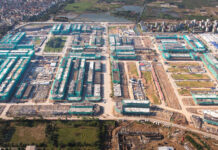
Alongside the seaport, industrial zones and energy complexes in Cà Ná are also being developed according to schedule. The first phase of the Cà Ná Industrial Zone alone covers approximately 378 hectares, with a total investment of nearly 3.9 trillion VND. As these projects become operational, the demand for technical workers, engineers, and management personnel is expected to rise, driving stable and long-term residential needs in the surrounding areas.
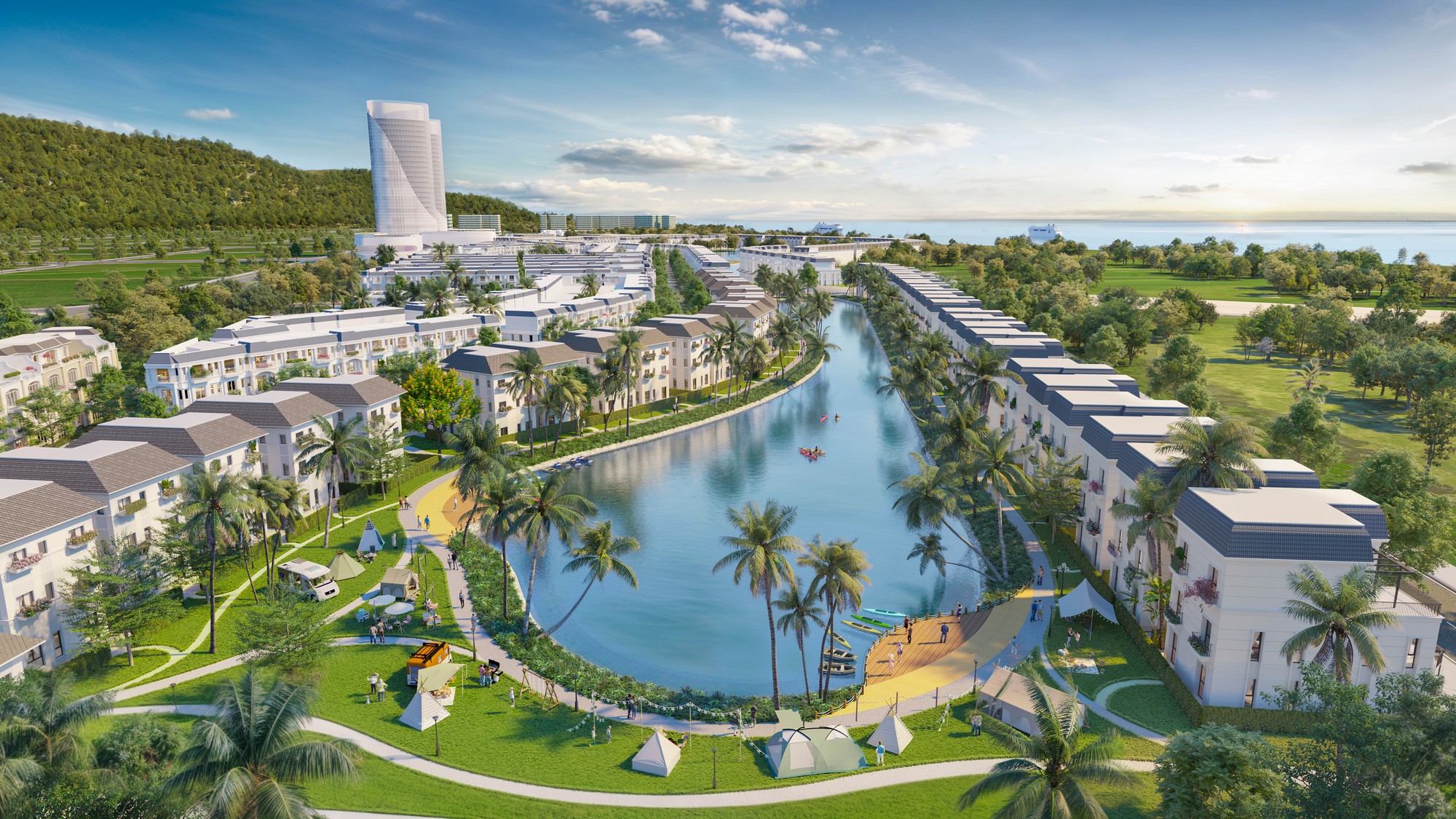
Experience in many localities shows that when economic infrastructure and industries become operational, housing demand shifts from speculative to real, targeting workers with stable incomes and long-term employment. This group prioritizes convenience in daily life, transportation connectivity, essential services, and legal transparency.
Urban Development Tied to the Real Economy: Criteria Beyond Scale
In a selective market, not every urban area can align with infrastructure development cycles. A city tied to real economic operations typically meets three criteria: it has jobs creating a real resident base, convenient infrastructure for daily living, and clear legal frameworks for long-term ownership confidence.
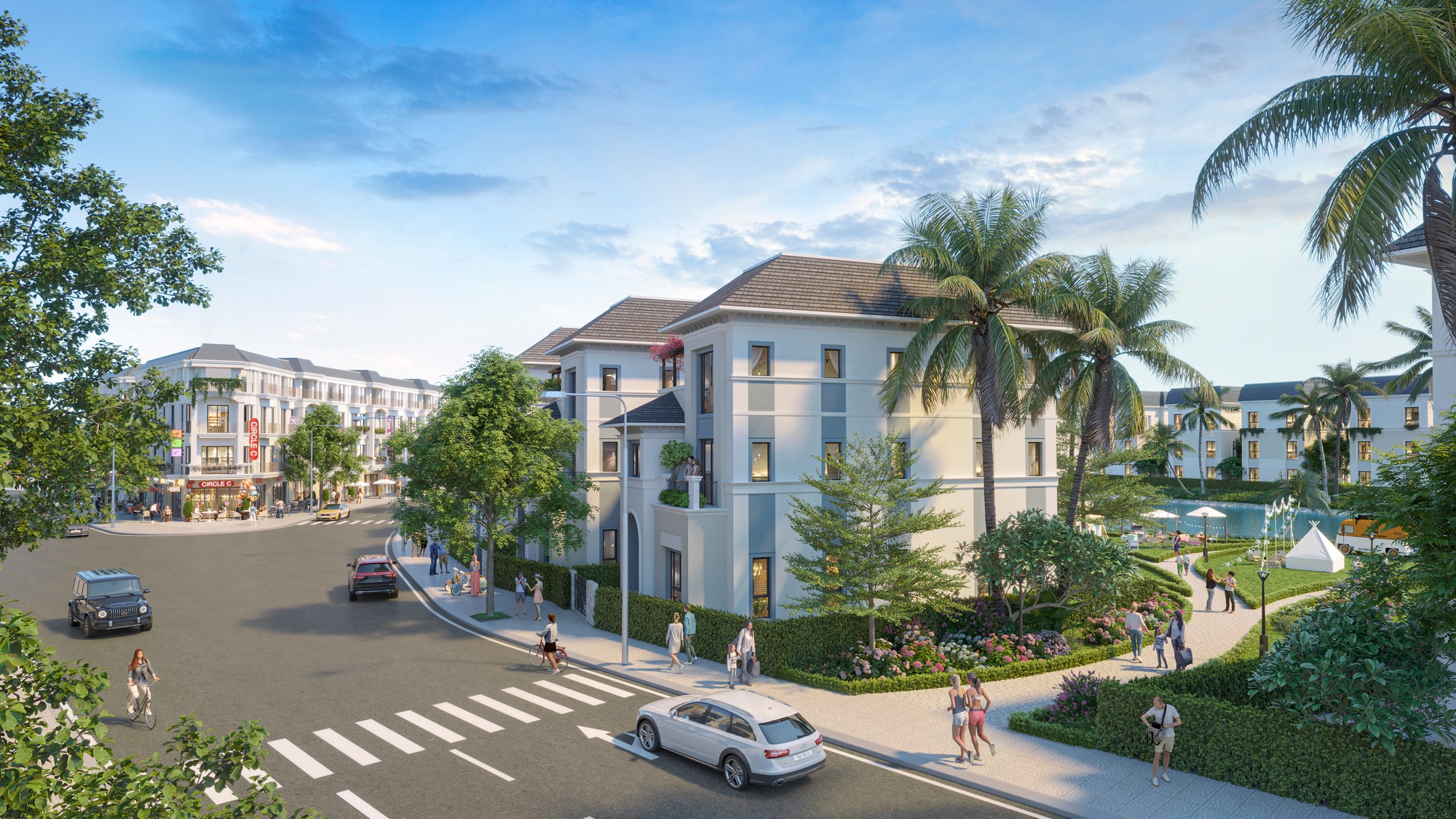
In Cà Ná, some urban projects are being introduced to directly serve the workforce in the seaport, industrial, and energy sectors. Cà Ná New City, for instance, is positioned as a stable residential urban area rather than a purely resort or commercial model. The project aims to meet the living and service needs of local workers, with appropriate density and amenities for long-term operation.
Legal clarity is a critical factor in today’s market. According to project information, properties in Cà Ná New City come with individual land titles and long-term ownership. For many investors and real residents, this is a foundational condition for long-term planning and utilization, rather than relying on short-term price increases.
From Cà Ná to the South Central Coast – South Khánh Hòa Development Axis
From a regional perspective, the South Central Coast economy is undergoing a noticeable shift as traditional centers expand their influence to neighboring areas. South Khánh Hòa, as a new development hub, is creating a ripple effect in infrastructure, logistics, and industry further south. In this context, Cà Ná is seen as a vital link in the regional connectivity chain, especially as land availability and costs in major centers rise.
Thus, urban development in Cà Ná is not just about individual projects but is part of a long-term strategy for population distribution, labor, and services along the new infrastructure axis. Urban areas with a clear focus on real economic operations, transparent legal frameworks, and well-defined target resident groups are more likely to thrive sustainably in the market’s new cycle.
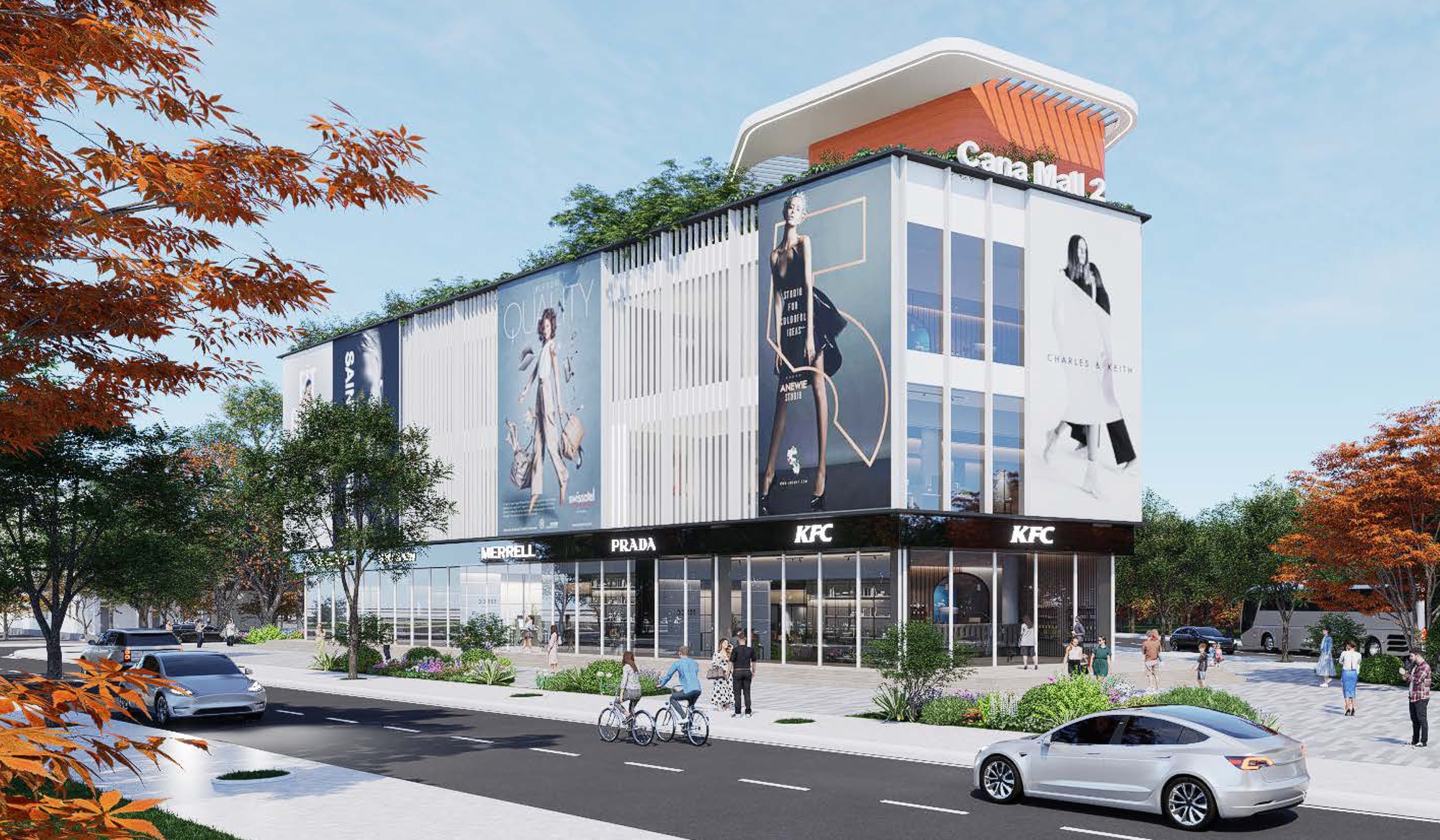
As infrastructure accelerates, the real estate market is entering a phase of strong selection. Instead of asking, “Will prices rise further?” the more critical question is, “Who will live here, where will they work, and how will the city operate?” With the emerging factors in Cà Ná, the equation of urban development tied to infrastructure and logistics is gradually finding a concrete solution in the 2025–2026 period.
Website: https://cananewcity.com.vn/
Lake Hoan Kiem’s Lakeside Homes Relocated: Scrap Collectors Earn Millions Daily
As the residents around Hoan Kiem Lake have nearly all moved out, scrap collectors are flocking to the area, eagerly gathering leftover items. Their daily earnings can reach up to millions of Vietnamese dong.
Masterise Launches Mega-Capital Airline with $1.25 Billion Investment, Poised to Develop Gia Binh Airport
Amidst the backdrop of its designation by the National Assembly as the lead investor for Gia Bình Airport, a non-budget project with a total investment exceeding 196 trillion VND, the conglomerate has taken decisive action.
The Silent Journey Behind Every Bird’s Nest

When shipping becomes a shared challenge for businesses dealing in high-value products.
Ho Chi Minh City Targets 10% Growth
In 2026, to secure double-digit growth, Ho Chi Minh City has crafted an ambitious plan targeting growth exceeding 10%.
Exclusive Investment Opportunity: December 27, 2025 – January 2, 2026 – Three Mega Urban Projects, Nearly $850 Million in Capital
During the week of December 27, 2025, to January 2, 2026, four provinces attracted investment in five projects, totaling nearly VND 21.9 trillion. Among these, three urban development projects accounted for approximately VND 20 trillion. The most notable was a project in Hưng Yên province, with an investment of over VND 15.6 trillion.